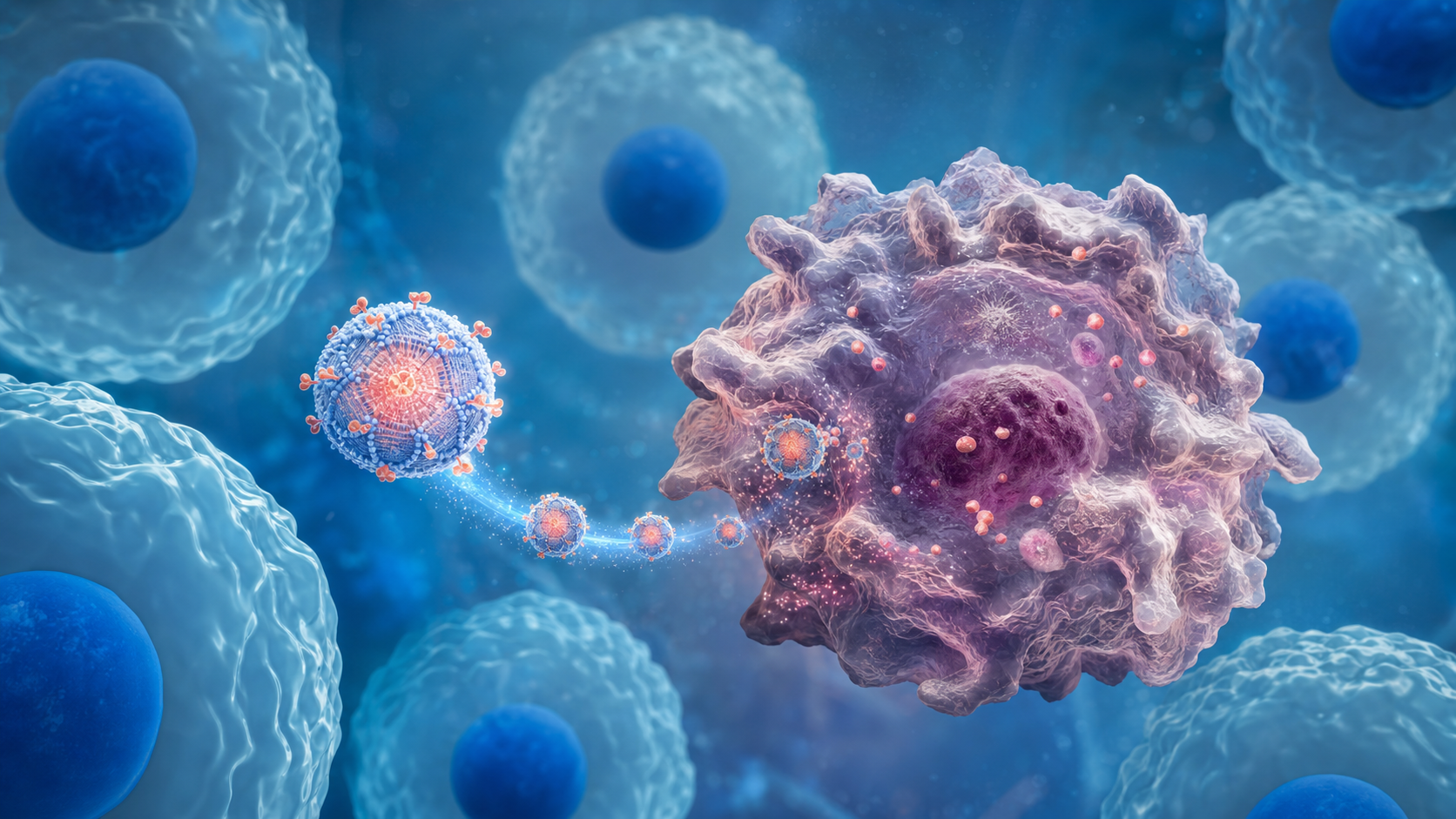
Nanomedicine and Aging: How Nanotechnology May Transform Anti-Aging Treatment
Explore how nanomedicine is being applied to aging, from targeted drug delivery to senescent cell clearance to diagnostic nanoparticles for early aging detection.
Table of Contents
DISCLAIMER
This article is for informational purposes only and does not constitute medical advice. The statements in this article have not been evaluated by the FDA. The information presented is based on published research and should not be used as a substitute for professional medical guidance. Consult your physician before starting any supplement or health protocol.
Nanomedicine, the application of nanotechnology to medicine, operates at the same scale as the molecular machinery of cells. Nanoparticles typically range from 1 to 100 nanometers, a size that allows them to interact directly with proteins, cell membranes, and DNA. This molecular-scale operation gives nanomedicine a unique ability to deliver therapeutic agents precisely where they are needed, detect disease at its earliest stages, and modulate biological processes with unprecedented specificity.
For aging research and treatment, nanomedicine offers solutions to several longstanding challenges: how to deliver anti-aging drugs specifically to aging tissues without systemic side effects, how to target and eliminate senescent cells with precision, and how to monitor aging biomarkers in real time. The intersection of nanotechnology and longevity science is producing innovations that may fundamentally change how we approach biological aging (Shetty et al., 2020; PMID: 32961544).
Targeted Drug Delivery for Aging
One of nanomedicine’s most transformative applications in aging is targeted drug delivery. Many promising anti-aging compounds have limited clinical utility because of poor bioavailability, rapid degradation, systemic side effects, or inability to reach target tissues in sufficient concentrations.
Nanoencapsulation of Longevity Compounds
Nanoparticle encapsulation can dramatically improve the pharmacokinetic properties of anti-aging compounds. Curcumin nanoformulations improve bioavailability by 30-50-fold compared to free curcumin. Resveratrol nanoparticles overcome the compound’s rapid metabolism and poor absorption. CoQ10 nanoformulations enhance delivery to mitochondria, the organelles where CoQ10 functions. And rapamycin nanoparticles can provide sustained release, maintaining therapeutic levels with less frequent dosing.
Mitochondria-Targeted Nanoparticles
Given the central role of mitochondrial dysfunction in aging, nanoparticles designed to accumulate in mitochondria represent a particularly promising approach. Triphenylphosphonium (TPP)-conjugated nanoparticles exploit the mitochondrial membrane potential to deliver antioxidants, NAD+ precursors, or other therapeutic agents directly to the organelle. This targeted delivery can achieve much higher intra-mitochondrial concentrations than systemic administration of the same compounds (Rajendran et al., 2019; PMID: 31641867).
Brain-Targeted Nanomedicine
The blood-brain barrier prevents most drugs from reaching the brain, severely limiting treatment options for age-related neurodegenerative diseases. Nanoparticles engineered with specific surface molecules (transferrin, lactoferrin, or apolipoprotein E) can cross the blood-brain barrier through receptor-mediated transcytosis, enabling brain delivery of neuroprotective compounds.
Nanosenolytic Therapy
Senolytics, drugs that selectively eliminate senescent cells, have emerged as one of the most promising anti-aging strategies. However, current senolytic drugs have significant limitations: they often affect healthy cells as well as senescent ones, and systemic administration can cause side effects. Nanotechnology-based senolytic delivery aims to solve these problems (Xu et al., 2021; PMID: 33746065).
Surface-Modified Nanoparticles
Nanoparticles can be decorated with molecules that bind specifically to senescent cell surface markers. Beta-galactosidase-responsive nanoparticles are designed to release their drug payload only in the presence of elevated beta-galactosidase activity, a hallmark of senescent cells. This “smart” release mechanism ensures that senolytic drugs are delivered specifically to senescent cells while sparing healthy ones.
Galactose-Coated Nanoparticles
Galactose-modified nanoparticles take advantage of the elevated beta-galactosidase activity in senescent cells. When these nanoparticles encounter senescent cells, the galactose coating is cleaved by the enzyme, triggering drug release. This approach has shown enhanced senolytic specificity in preclinical studies, reducing the effective drug dose and minimizing off-target toxicity.
Diagnostic Nanomedicine for Aging
Beyond therapy, nanotechnology offers new possibilities for detecting and monitoring aging-related changes.
Nanobiosensors
Nanoparticle-based biosensors can detect aging biomarkers at extremely low concentrations, potentially enabling earlier detection of age-related disease. Quantum dots, gold nanoparticles, and carbon nanotubes have been adapted for ultrasensitive detection of inflammatory markers, oxidative stress products, and disease-specific proteins.
Imaging Agents
Nanoparticle-based imaging agents can visualize age-related changes in vivo. Iron oxide nanoparticles for MRI, quantum dots for fluorescence imaging, and radiolabeled nanoparticles for PET scanning can be targeted to sites of inflammation, senescent cell accumulation, or amyloid deposition, providing spatial information about the aging process.
Wearable Nanosensors
Emerging wearable devices incorporating nanosensors may enable continuous monitoring of aging biomarkers in sweat, interstitial fluid, or exhaled breath. These devices could provide real-time data on oxidative stress, metabolic status, and inflammatory markers.
Safety Considerations
Nanomedicine introduces unique safety considerations. Nanoparticles can accumulate in organs, particularly the liver and spleen, with potentially unknown long-term consequences. The interaction of nanoparticles with the immune system is complex and not fully understood. Manufacturing consistency and quality control at the nanoscale present challenges. And environmental persistence of some nanomaterials raises ecological concerns.
For aging applications, where interventions might be administered chronically over decades, the long-term safety profile of nanomaterials is of particular importance. Biodegradable nanoparticles that break down into harmless components after delivering their payload offer the best safety profile for chronic use.
Current Status and Future Outlook
Several nanomedicine products have already received FDA approval for non-aging indications, including liposomal doxorubicin (Doxil), albumin-bound paclitaxel (Abraxane), and various lipid nanoparticle formulations used in mRNA vaccines. These approvals have established regulatory pathways and manufacturing standards that can be applied to aging-focused nanomedicines.
The convergence of nanomedicine with other longevity technologies, including senolytics, cellular reprogramming, gene therapy, and AI-driven drug discovery, may create synergistic advances that none of these fields could achieve alone.
Frequently Asked Questions
Are nanomedicine anti-aging treatments available now? No nanomedicine products have been specifically approved for anti-aging purposes. However, the underlying technologies, including lipid nanoparticles, polymeric nanoparticles, and targeted delivery systems, have been validated in other medical applications. Several nanomedicine-based aging interventions are in preclinical development, with clinical trials expected in the coming years for specific applications like targeted senolytic delivery.
Are nanoparticles safe for long-term use? The safety of nanoparticles depends heavily on their composition, size, surface characteristics, and biodegradability. Biodegradable nanoparticles made from materials like PLGA (poly-lactic-co-glycolic acid) or lipids have good safety profiles in short-term clinical use. Long-term safety data for chronic nanoparticle administration are limited, and this remains an active area of investigation. Non-biodegradable nanoparticles that accumulate in tissues are of greater concern for chronic use.
How does nanomedicine differ from regular drug delivery? Nanomedicine offers several advantages over conventional drug delivery: enhanced bioavailability of poorly absorbed compounds, targeted delivery to specific tissues or cell types, controlled and sustained release of drugs, ability to cross biological barriers (like the blood-brain barrier), and the capacity for stimuli-responsive drug release. These properties may be particularly valuable for anti-aging applications, where delivering the right amount of drug to the right cells at the right time is critical for both efficacy and safety.
Sources
Stay Updated on Longevity Science
Weekly research digests. No spam, unsubscribe anytime.
Related Articles

3D Bioprinting for Aging: Can We Print Replacement Organs and Tissues?
Explore how 3D bioprinting may address age-related organ failure by creating functional replacement tissues. Review current capabilities and future prospects.
12 min read
AI Diagnostics for Aging: Detecting Early Signs of Biological Decline
Learn how AI-powered diagnostic tools detect early aging markers from medical images, blood tests, and wearable data to enable proactive longevity interventions.
12 min read
AI Drug Discovery for Longevity: What Research Is Coming
How artificial intelligence is accelerating longevity drug discovery, from target identification to clinical trial design, and what it means for aging research.
13 min read