Articles in This Topic
Epigenetic Clocks Explained: How They Measure Your True Age
Understand how epigenetic clocks work, the differences between Horvath, GrimAge, and DunedinPACE, and what these biological age measurements mean for your health.
10 min read
How to Lower Your Biological Age: Evidence-Based Methods
Discover scientifically supported strategies to reduce your biological age, from exercise and nutrition to sleep optimization and stress management.
10 min read
What Is Biological Age and Why Does It Matter?
Discover what biological age means, how it differs from chronological age, and why measuring your true biological age may be key to longevity.
9 min read
Biological Age Blood Test Panels: What to Measure and Why
Explore the key biomarkers in biological age blood test panels and understand what to measure to gain insights into your health and longevity.
15 min readBiological Age vs Fitness Age: What's the Difference?
Explore the key differences between biological age and fitness age. Research suggests both metrics offer unique insights into your longevity.
18 min readGlycanAge Testing: How Glycans Reveal Your Biological Age
Explore GlycanAge testing, a cutting-edge method that uses glycan analysis to reveal your biological age, offering insights into inflammation and health.
12 min readPhenotypic Age Calculator: How to Estimate Your Biological Age
Explore phenotypic age calculators to estimate your biological age based on common blood biomarkers, and learn how to potentially improve your score.
12 min read
TruDiagnostic TruAge Review: Is It Worth the Investment?
In-depth review of TruDiagnostic's TruAge biological age test, covering accuracy, methodology, pricing, and how it compares to alternatives.
13 min read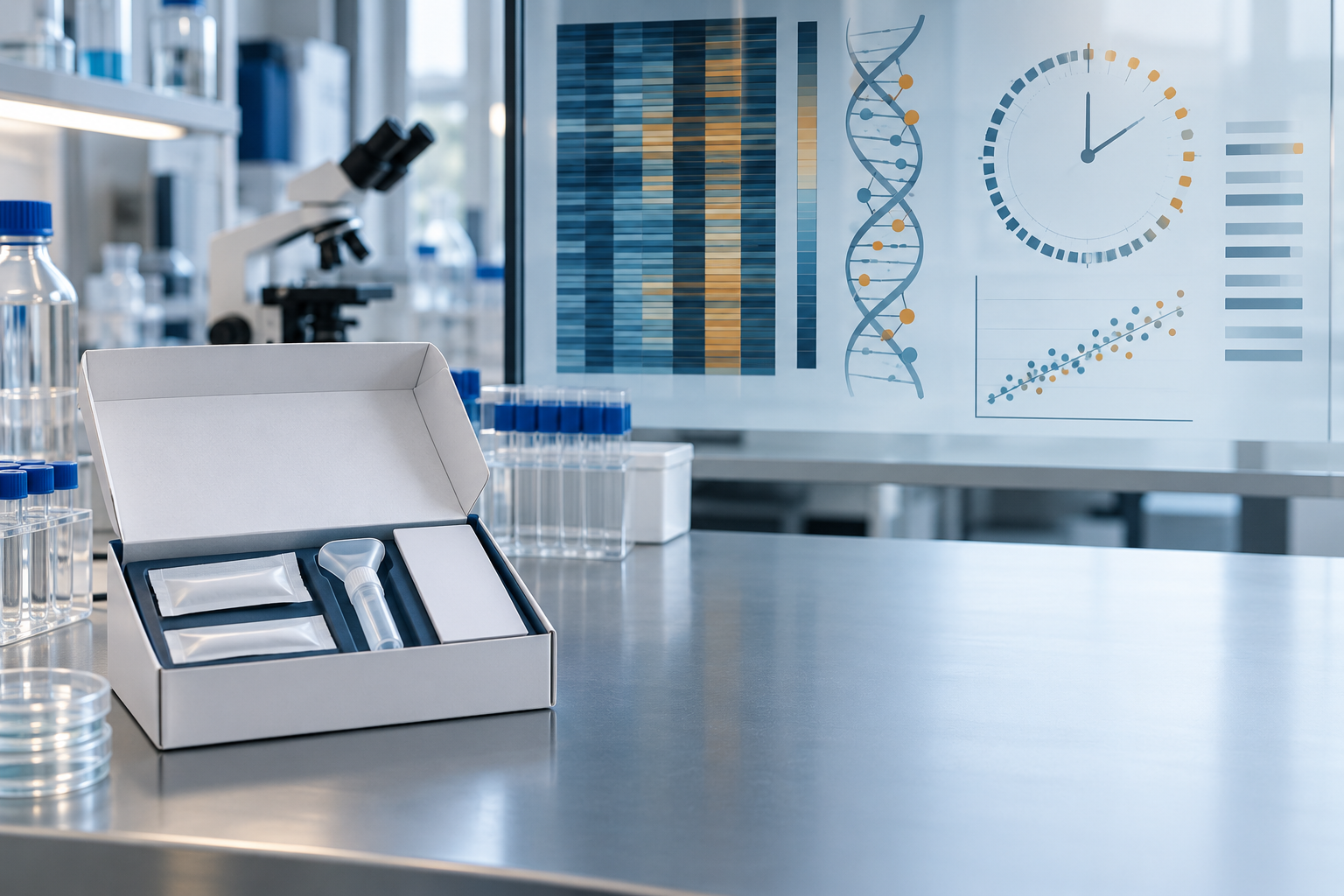
Elysium Index Review: Biological Age Testing Evaluated
Detailed review of Elysium Health's Index biological age test, including methodology, accuracy, pricing, and comparison to competing services.
12 min read
DunedinPACE: Understanding Your Pace of Aging
Learn how DunedinPACE measures your pace of biological aging, how it differs from other epigenetic clocks, and what your results mean.
13 min readTable of Contents
DISCLAIMER
This article is for informational purposes only and does not constitute medical advice. The statements in this article have not been evaluated by the FDA. The information presented is based on published research and should not be used as a substitute for professional medical guidance. Consult your physician before starting any supplement or health protocol.
What Is Biological Age?
Your chronological age counts the years since you were born. Your biological age reflects how old your body actually is at the molecular and cellular level. These two numbers can diverge significantly based on genetics, lifestyle, environment, and health conditions.
Research has shown that biological age is a stronger predictor of health outcomes, disease risk, and mortality than chronological age alone. This makes it a powerful metric for anyone interested in longevity.
How Biological Age Is Measured
Epigenetic Clocks
The most scientifically validated method for measuring biological age uses DNA methylation patterns. As we age, specific patterns of chemical marks on our DNA change in predictable ways. Epigenetic clocks analyze these patterns to estimate biological age.
Key clocks include:
- Horvath Clock (2013): The original multi-tissue epigenetic clock, analyzing 353 CpG sites
- GrimAge (2019): Predicts mortality and healthspan more accurately than earlier clocks
- DunedinPACE (2022): Measures the pace of aging rather than a static age estimate
Blood Biomarkers
Panels of blood biomarkers can provide complementary information about biological aging, including markers of inflammation, metabolic health, organ function, and immune aging.
Telomere Length
While less accurate than epigenetic clocks, telomere length testing provides information about cellular aging. Shortened telomeres are associated with age-related diseases, though the relationship is complex.
How to Lower Your Biological Age
Evidence-based strategies that research suggests may help reduce biological age include regular aerobic and resistance exercise, Mediterranean-style dietary patterns, adequate sleep (7-9 hours), stress reduction practices, and maintaining social connections.