Skin Barrier Function and Aging: Why the Biology Defies Simple Rules
A large aging cohort found that some barrier measures improved with older age. The result challenges assumptions without making aged skin invulnerable.
Table of Contents
DISCLAIMER
This article is for informational purposes only and does not constitute medical advice. The statements in this article have not been evaluated by the FDA. The information presented is based on published research and should not be used as a substitute for professional medical guidance. Consult your physician before starting any supplement or health protocol.
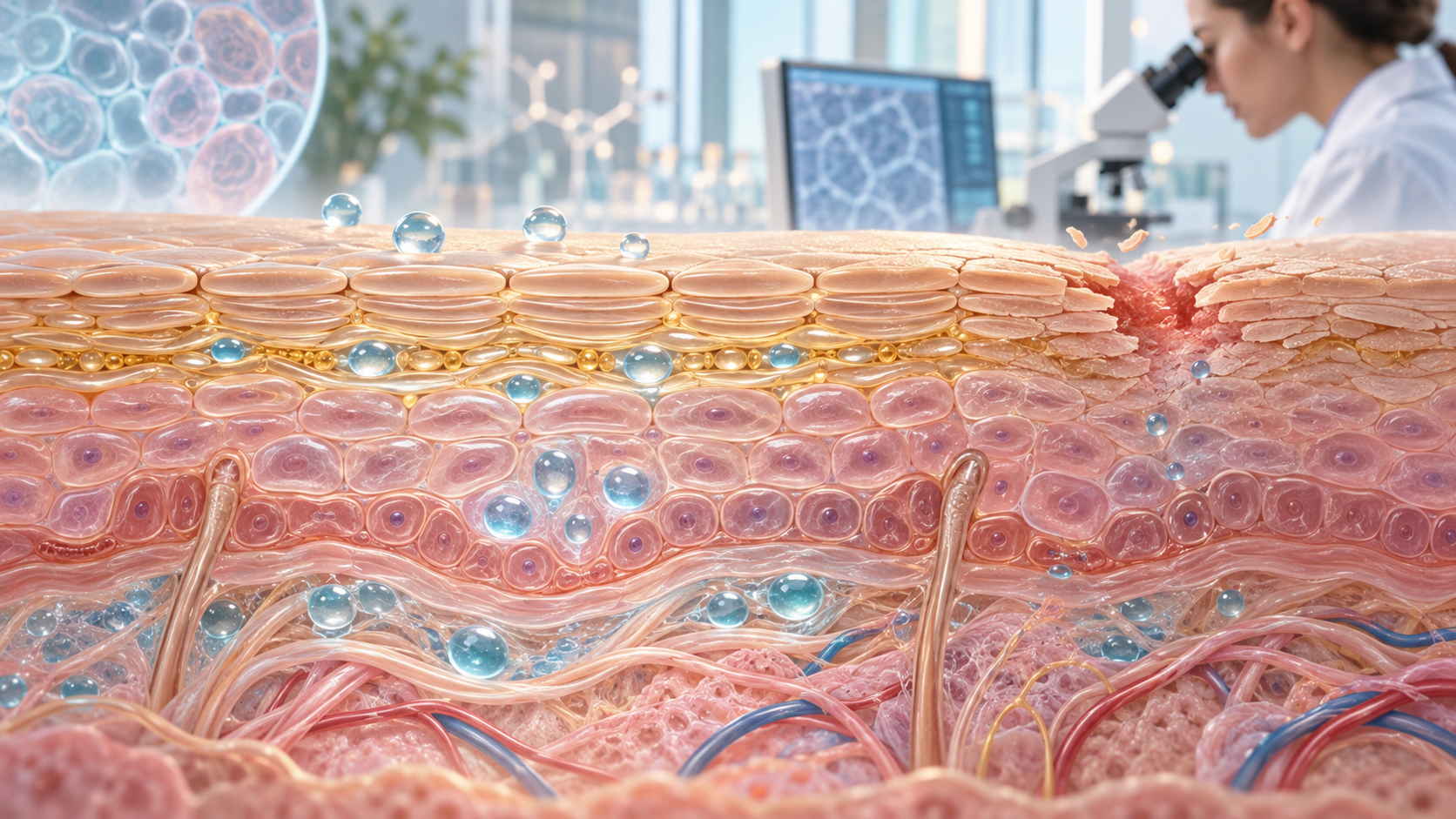
Skin is both a visible record of exposure and an active organ. Its outer barrier limits water loss, blocks irritants and microbes, participates in immune signaling, and helps maintain temperature. Aging is often described as a straightforward decline in that barrier.
A 2026 population study complicates the story. Among 286 adults aged 32 to 97 in the Baltimore Longitudinal Study of Aging, older age was associated with better results on two measured aspects of barrier function after adjustment for other factors. That finding does not mean older skin is universally stronger or younger.
What researchers measured
The study assessed baseline transepidermal water loss, or TEWL, plus several responses to controlled tape stripping. Tape stripping removes layers of the outer stratum corneum so researchers can estimate barrier integrity, dynamic response, and recovery over 24 hours.
These measures answer different questions. Baseline permeability estimates passive water escape under the test conditions. The number of strips required to produce a defined change reflects resistance to disruption. Repeated measurements describe the response curve, while recovery captures how much the barrier restores after the controlled insult.
No single result equals “skin age.” Temperature, humidity, anatomical site, recent washing, topical products, inflammation, and instrument technique can all affect readings.
The surprising age association
After multivariable analysis, older age was associated with better baseline permeability and dynamic barrier-function measures in this cohort. Female participants showed better dynamic function and 24-hour recovery. Black participants showed better dynamic function and barrier integrity. Higher body mass index was associated with better integrity on one measure.
These are associations, not biological rankings. Race is a social and demographic category, not a precise measure of skin structure or genetics. Sex, environment, exposures, healthcare, products, and unmeasured variables can contribute to group differences.
The study also analyzed tape-strip proteins in only 20 participants. Some barrier-composition and insult-response protein families were higher among people with above-median barrier function and lower inflammation. That exploratory sample is too small to serve as a diagnostic signature.
Why the result is not a contradiction
Skin aging occurs across multiple layers and functions. Collagen organization, elasticity, pigmentation, immune surveillance, blood flow, sebaceous activity, wound repair, and mechanical fragility can change independently. A lower TEWL value does not cancel wrinkles, bruising risk, slow healing, or vulnerability to certain infections.
The outer barrier may also adapt to lifelong exposures. Cohort selection matters: participants in a long-running research study may differ from the general population in health, behavior, or access to care. Cross-sectional age comparisons cannot show how each person’s barrier changed across decades.
A 2026 clinical review describes skin aging as the interaction of intrinsic processes with ultraviolet exposure, pollution, smoking, inflammation, and other environmental stressors. Cellular senescence and chronic inflammatory signaling can impair renewal even when one permeability measurement looks favorable.
What barrier numbers can tell us
TEWL and recovery testing are useful for research, eczema management, occupational exposure studies, and product evaluation when protocols are controlled. Repeated measurements in the same person, at the same site and under similar conditions, are often more interpretable than comparisons with an internet reference range.
The measures are not ready to become consumer longevity scores. A device could be precise yet still lack a validated link to healthspan or treatment decisions. Product marketing may also select whichever barrier endpoint moved while ignoring irritation, study duration, or the control group.
The 2026 cohort paper is valuable precisely because it warns against assuming that every age association points in one direction.
Evidence-based protection remains simple
Protecting skin from excessive ultraviolet exposure remains central because cumulative UV damage accelerates pigmentation change, matrix breakdown, and skin-cancer risk. Shade, clothing, and appropriate broad-spectrum sunscreen can work together.
Gentle cleansing and a moisturizer suited to the person’s skin and climate can support the barrier, especially when dryness or irritation is present. Complex “barrier repair” claims should be judged by ingredient concentration, comparator, duration, adverse events, and whether the study examined the same population.
Persistent wounds, rapidly changing lesions, widespread rash, infection signs, or severe itch deserve clinical evaluation. A home moisture reading cannot exclude disease.
Bottom line
Skin aging is not a single downhill line. In one well-characterized cohort, older age correlated with better performance on selected barrier measures, while broader research still documents age-related fragility, impaired repair, and altered immune function.
The lesson is methodological: define which function is being measured, under what conditions, and for what decision. Skin-barrier tests can illuminate one layer of aging biology, but they cannot compress the whole organ—or a person’s biological age—into one number.
Frequently Asked Questions
Does lower water loss mean skin is younger?
Did the study show that aging improves all skin function?
Can skin-barrier tests measure biological age?
Sources
Stay Updated on Longevity Science
Weekly research digests. No spam, unsubscribe anytime.
Related Articles
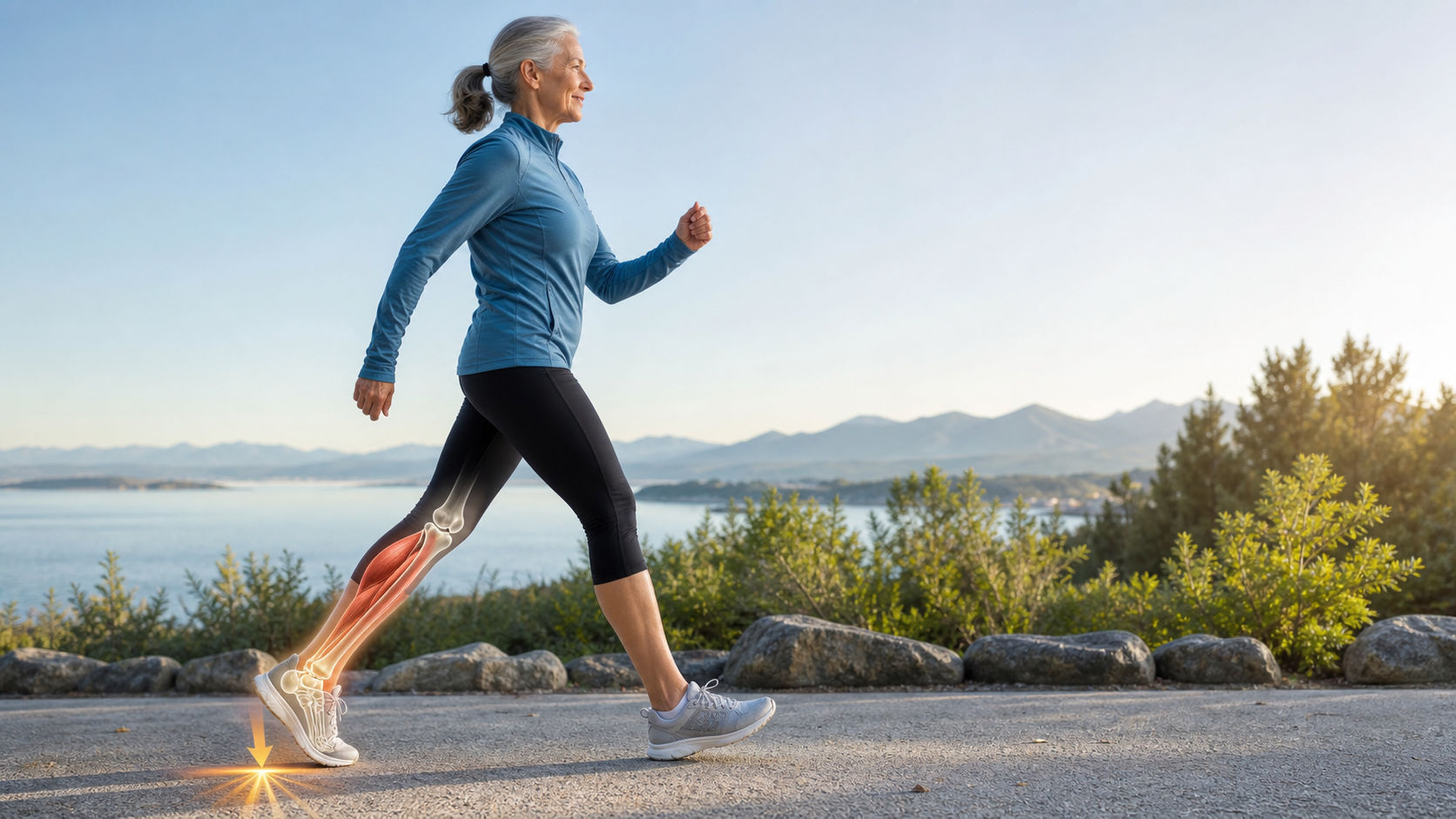
Ankle Power and Healthy Aging: The Push-Off That Keeps Walking Efficient
Ankle plantar-flexor power supports walking speed and balance recovery. Learn why push-off changes with age and how strength can be trained safely.
9 min read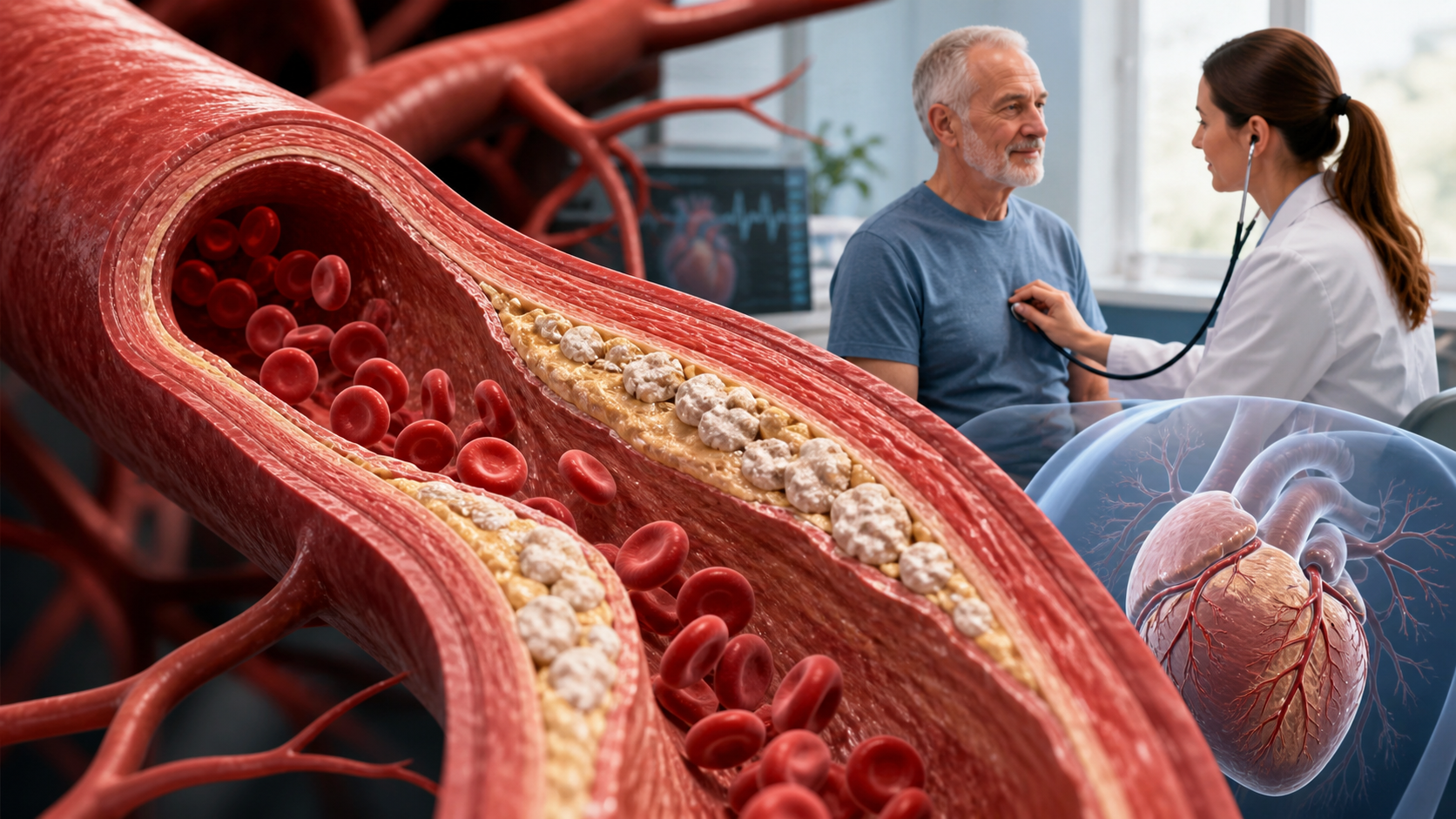
Arterial Calcification and Vascular Aging: Reading the Risk Signals
Arterial calcification can reveal accumulated vascular risk. Learn what calcium scores mean, why calcification develops, and where testing has limits.
10 min read
Arterial Stiffness and Vascular Age: A Longevity Evidence Guide
Understand arterial stiffness vascular age longevity links, key studies, measurement limits, and evidence-based lifestyle implications for healthy aging.
11 min read