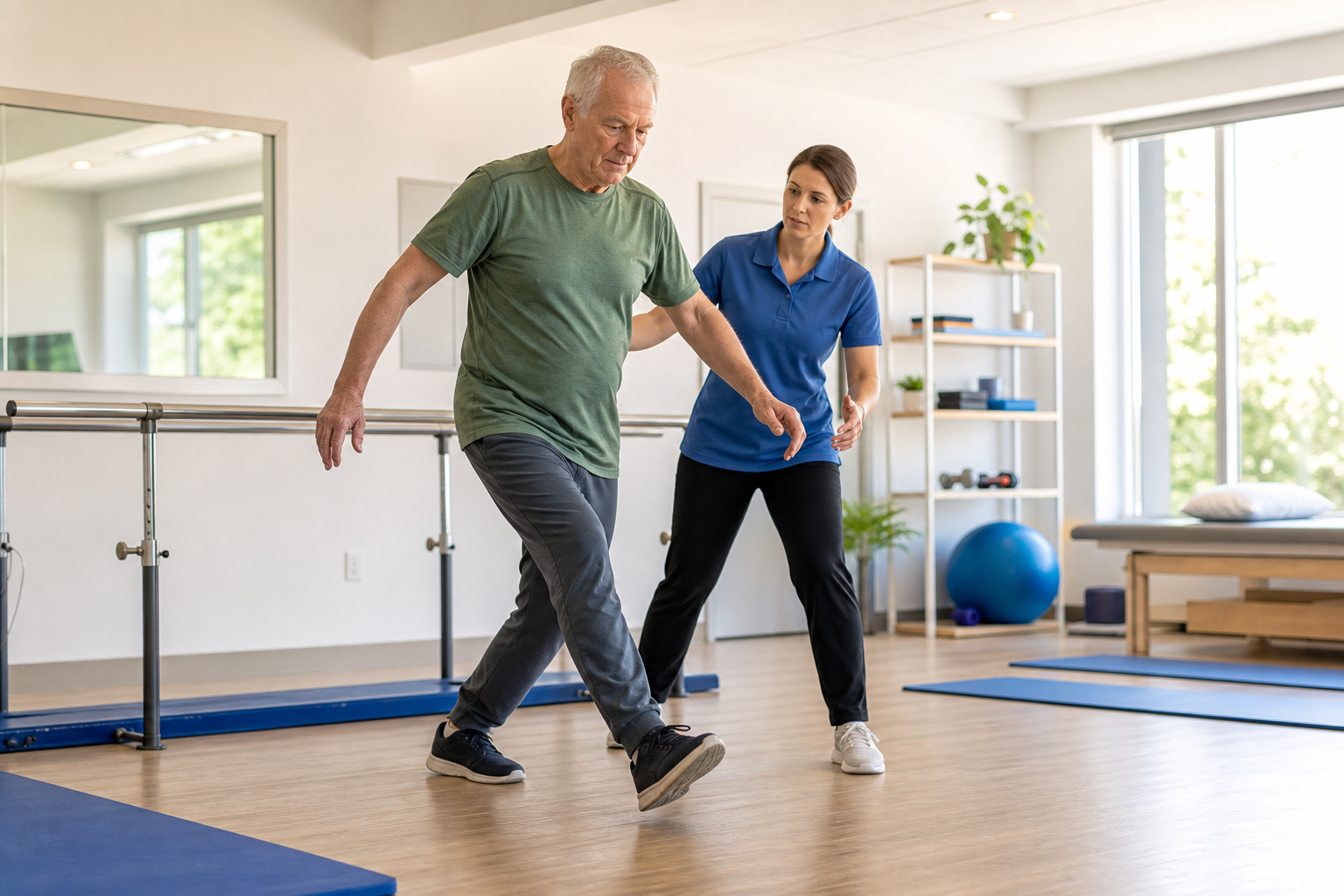
Reactive Balance Training for Healthy Aging: Practice the Recovery Step
Reactive balance is the ability to recover after a trip or slip. Learn what perturbation training can and cannot do, plus safer ways to build recovery skills.
Table of Contents
DISCLAIMER
This article is for informational purposes only and does not constitute medical advice. The statements in this article have not been evaluated by the FDA. The information presented is based on published research and should not be used as a substitute for professional medical guidance. Consult your physician before starting any supplement or health protocol.
Most balance exercises teach the body to stay steady. Real falls often demand something different: a fast recovery after the center of mass has already moved beyond the feet. A toe catches a curb, a bus starts moving, or a wet surface slides under one shoe. At that moment, success depends on detecting the disturbance, choosing a response, and placing a recovery step quickly enough.
This capacity is called reactive balance. It is related to strength and ordinary balance, but it is not identical to either. That distinction helps explain why someone can stand on one leg in a quiet room yet struggle to recover from an unexpected trip.
What Happens During a Balance Recovery
The nervous system first uses information from vision, the inner ear, skin, muscles, and joints to recognize that stability has changed. It then organizes a response. A small disturbance may be corrected at the ankles or hips. A larger disturbance usually requires a step, a reach for support, or both.
The quality of that first step matters. It needs to be fast, long enough to widen the base of support, and directed toward the body’s movement. Extra crossing steps or delayed foot clearance may leave the person less stable. Attention also matters because falls rarely occur in a silent laboratory; people are often talking, carrying something, scanning traffic, or turning when balance is challenged.
Age can affect sensation, reaction speed, muscle power, joint mobility, and the ability to divide attention. Medications, pain, fear of falling, poor sleep, and unfamiliar environments can add temporary strain. These factors do not make recovery untrainable, but they mean the limiting factor differs from person to person.
What Perturbation Training Tries to Teach
Perturbation-based balance training uses controlled disturbances to make recovery responses more practiced. In research or rehabilitation, a safety harness, movable platform, treadmill change, therapist-applied pull, or carefully designed obstacle may create the challenge. The disturbance can progress in direction, speed, predictability, and task complexity.
The idea is specific learning. Repeated exposure gives the nervous system opportunities to select and refine a recovery response. Studies and clinical guidelines suggest that appropriately supervised programs can improve reactive stepping and may reduce falls in some populations. The exact benefit depends on the participants, training dose, equipment, and how outcomes are measured.
This does not mean the body becomes immune to falls. A practiced forward trip does not perfectly transfer to every sideways slip, fainting episode, icy surface, or environmental hazard. Effects may also fade without continued activity. Perturbation training is best viewed as one layer of fall prevention, not a substitute for strength, vision care, medication review, safer footwear, and home hazard reduction.
Build the Ingredients Without Creating a Fall
At home, the goal should be to improve the ingredients of recovery without manufacturing dangerous surprises. Near a stable counter and with appropriate support, a clinician may recommend deliberate steps forward, backward, and sideways; quick but controlled changes of direction; step-ups; sit-to-stands; or reaching tasks. The exact choice should match the person’s ability.
Lower-body power helps a recovery step happen quickly. Calf, hip, and thigh strength help control landing. Foot clearance and ankle movement matter when stepping over an obstacle. Walking practice that includes safe turns and changes of pace can make movement less rigid.
Progress comes from one variable at a time. A wider stance can become narrower, a familiar direction can become varied, or a slow voluntary step can become brisker. Closing the eyes, standing on unstable objects, and asking another person to push unpredictably can raise risk faster than skill. More dramatic does not mean more effective.
Match Training to the Cause of Instability
A person who feels lightheaded after standing may need blood-pressure assessment rather than harder balance drills. New spinning sensations may require vestibular evaluation. Numb feet, painful joints, cataracts, sedating medicines, or an unsafe home each call for a different response.
A physical therapist can assess stepping reactions, gait, strength, sensory use, and confidence, then decide whether perturbation training is suitable. Supervision is especially valuable after a fall or when the person cannot reliably recover with a voluntary step.
Falls are rarely caused by one deficit. A useful plan combines specific practice with broad capacity: resistance exercise, walking, balance work, adequate vision and hearing, medication review, and safer surroundings. Reactive balance adds an important question to that plan—not only “Can you stay steady?” but also “Can you recover when steady is no longer possible?”
Frequently Asked Questions
Is reactive balance training the same as standing on one leg?
Can I safely practice being pushed or tripped at home?
Who should ask for professional assessment first?
Sources
Stay Updated on Longevity Science
Weekly research digests. No spam, unsubscribe anytime.
Related Articles
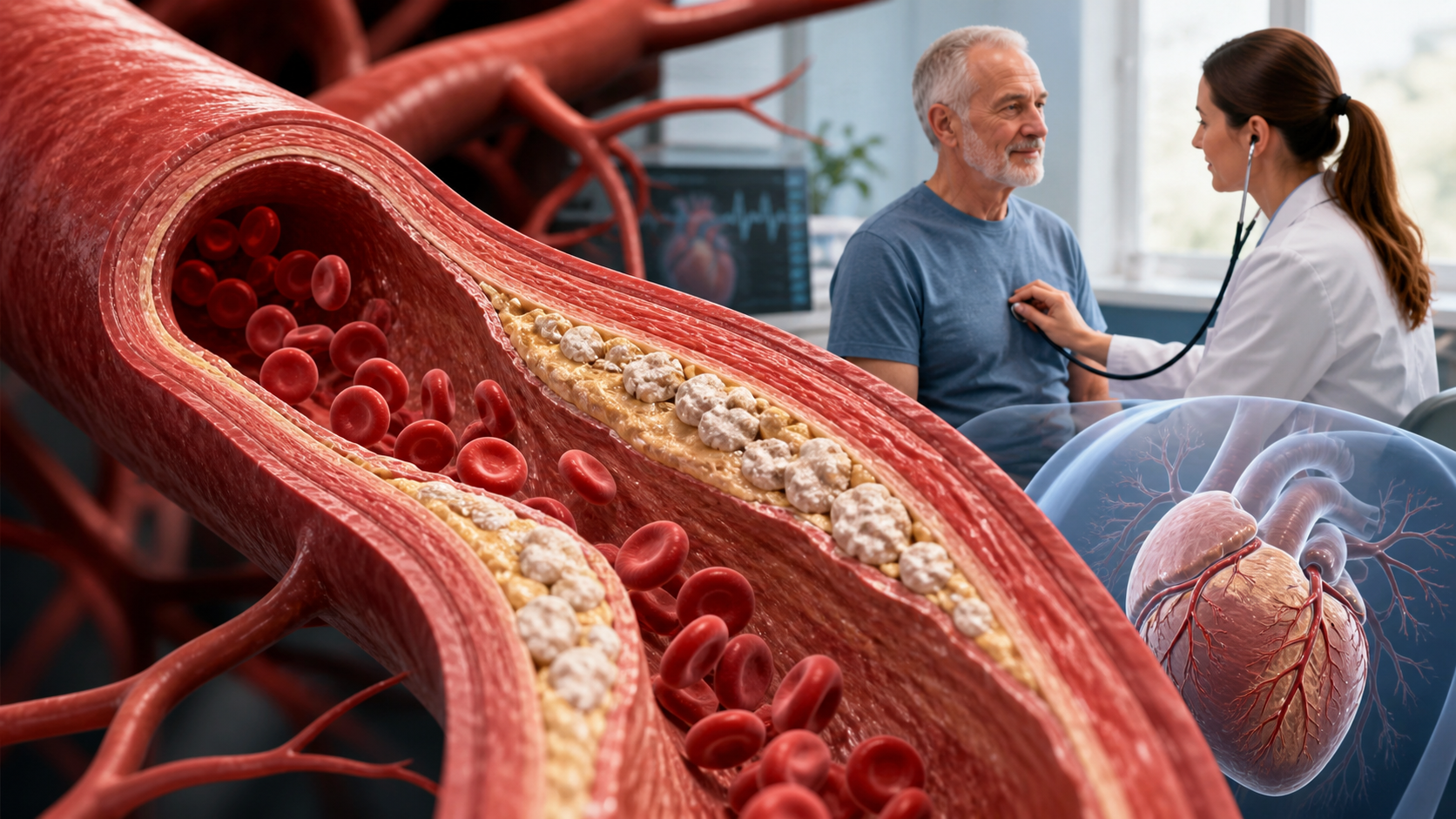
Arterial Calcification and Vascular Aging: Reading the Risk Signals
Arterial calcification can reveal accumulated vascular risk. Learn what calcium scores mean, why calcification develops, and where testing has limits.
10 min read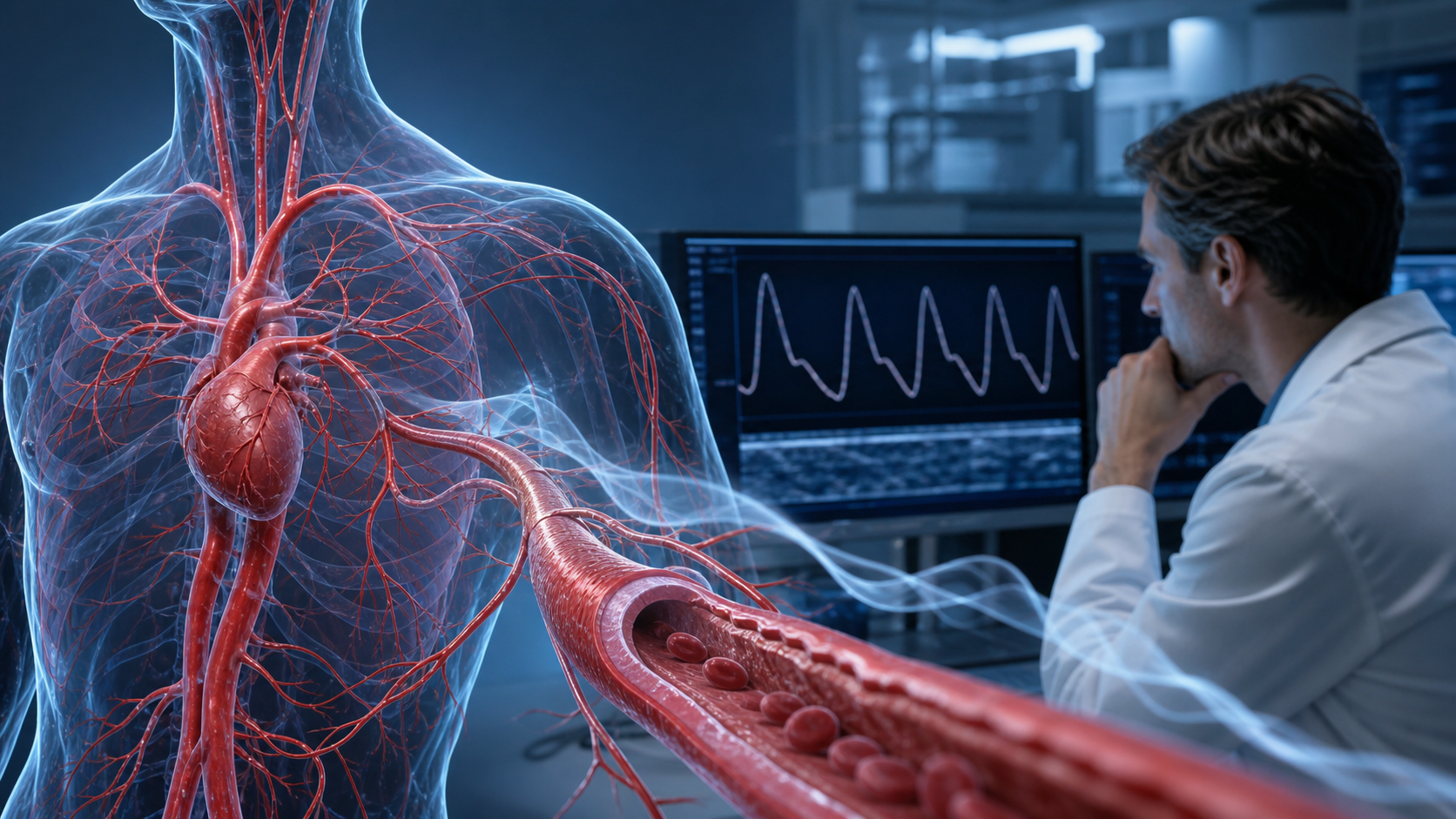
Arterial Stiffness and Vascular Age: A Longevity Evidence Guide
Understand arterial stiffness vascular age longevity links, key studies, measurement limits, and evidence-based lifestyle implications for healthy aging.
11 min read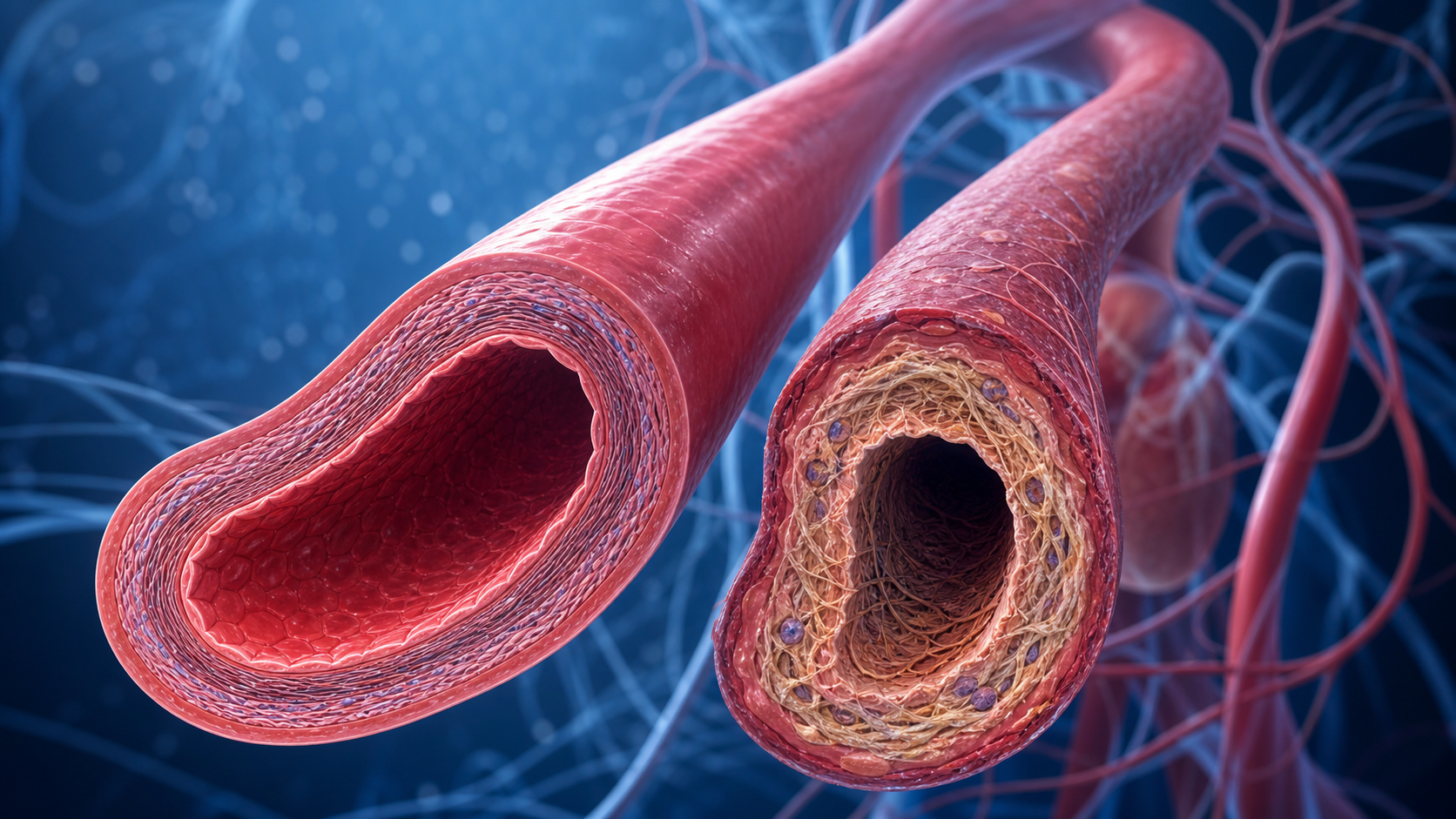
Arterial Stiffness and Vascular Aging: What the Evidence Shows
Explore arterial stiffness vascular aging, how vessels change over time, what pulse wave velocity studies show, and practical ways evidence may inform prevention.
10 min read