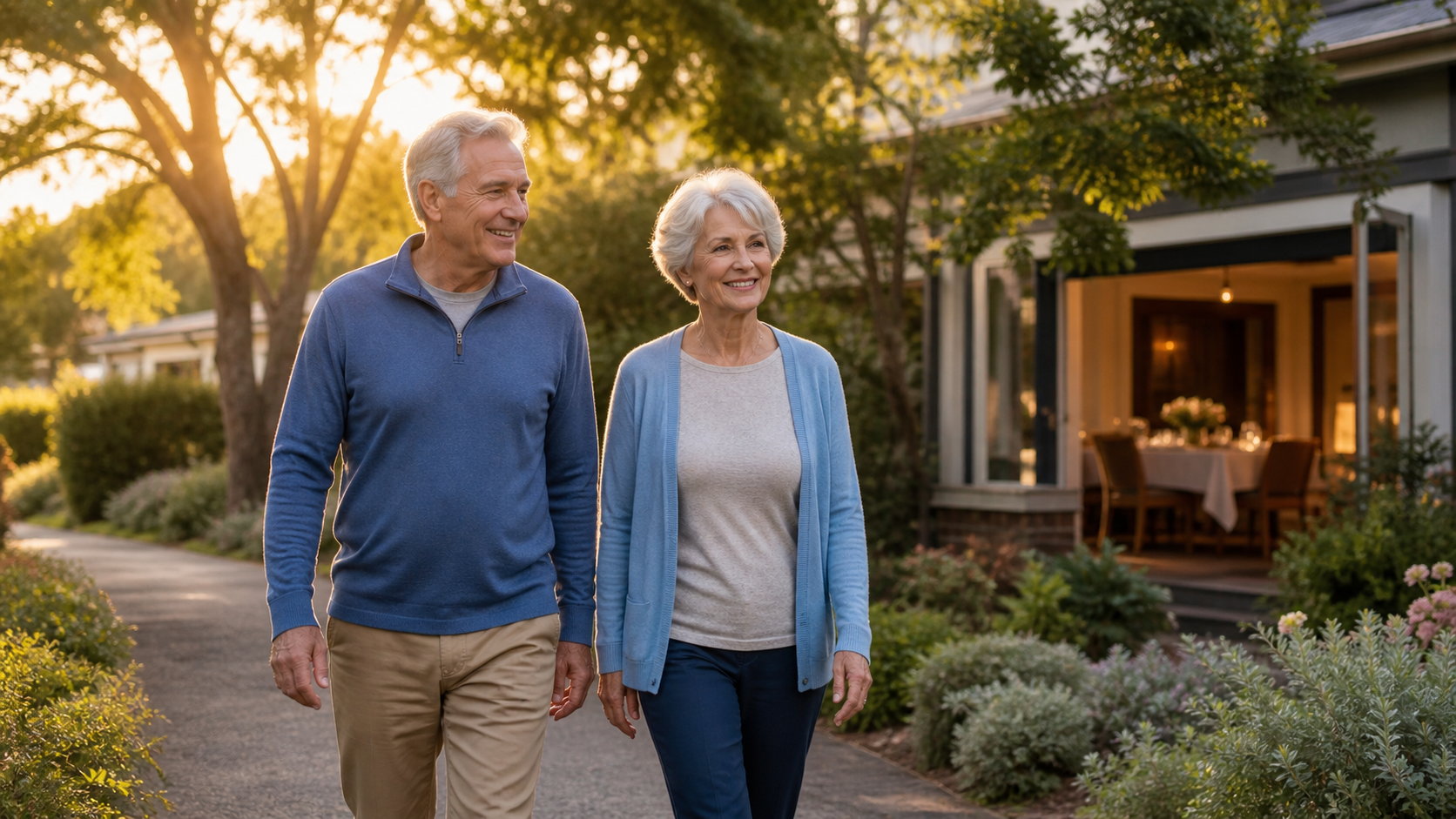
Walking After Meals and Metabolic Aging: What the Evidence Shows
Walking after meals may soften post-meal glucose rises and reduce sedentary time. See what studies suggest for metabolic aging and practical routines.
Table of Contents
DISCLAIMER
This article is for informational purposes only and does not constitute medical advice. The statements in this article have not been evaluated by the FDA. The information presented is based on published research and should not be used as a substitute for professional medical guidance. Consult your physician before starting any supplement or health protocol.
Walking after meals may be one of the simplest ways to connect movement with metabolic aging. Glucose typically rises after eating, and skeletal muscle is a major destination for that fuel. A short walk recruits muscle at the same time, potentially reducing the size or duration of the post-meal spike.
This does not make a ten-minute stroll a cure or a longevity hack. It makes post-meal walking a low-friction behavior with a plausible mechanism and a growing evidence base.
Why the Post-Meal Window Matters
After carbohydrate-containing food is digested, glucose enters the bloodstream and insulin helps move it into tissues. Contracting muscle can also increase glucose uptake through pathways partly independent of insulin. That overlap is particularly relevant with age, when insulin sensitivity, muscle mass, and daily activity may decline.
Large glucose swings are associated with metabolic risk, but a single spike is not a diagnosis. Meal size, sleep, stress, fitness, medication, and measurement error all change the curve. The practical aim is not a perfectly flat glucose line. It is better overall regulation and less uninterrupted sitting.
In a small randomized crossover study, DiPietro and colleagues tested three 15-minute post-meal walks in older adults at risk of impaired glucose tolerance. The short walks improved 24-hour glycemic control and were particularly effective after the evening meal. Dunstan and colleagues separately showed that brief activity breaks during prolonged sitting reduced postprandial glucose and insulin responses in adults with overweight or obesity.
How to Use the Evidence Practically
A realistic routine is a comfortable 10- to 15-minute walk after one or more meals, beginning when convenient soon after eating. The pace can be purposeful without becoming strenuous. Indoor laps, gentle stairs, or light household movement may be alternatives when weather, safety, or mobility limits outdoor walking.
Starting with the meal that produces the most sitting may be easier than redesigning the whole day. Dinner is a common target because people often move less afterward and the meal may be larger. A five-minute habit performed consistently is more useful than an ambitious plan that disappears after three days.
For people using insulin or medicines that can cause hypoglycemia, timing activity around meals can alter glucose responses. Anyone with dizziness, foot ulcers, unstable heart symptoms, or major balance limitations needs individualized advice.
What This Does and Does Not Prove
Most post-meal walking studies are short and focus on glucose or insulin, not dementia, cardiovascular events, disability, or lifespan. Participants, meals, walking intensity, and monitoring methods vary. Acute metabolic improvement is encouraging, but it cannot be translated directly into years of added life.
Walking also carries benefits that are difficult to separate: it breaks sitting, raises energy expenditure, exposes people to daylight, and can support social connection and sleep. Those combined effects may be more important than chasing one glucose metric.
The Bottom Line
Walking after meals is a practical way to pair muscle contraction with the period when glucose is entering circulation. Evidence suggests brief bouts can improve short-term post-meal control, especially compared with remaining seated. Treat it as a repeatable movement cue—not as a substitute for medical care or a reason to obsess over every glucose reading.
Frequently Asked Questions
How soon should you walk after eating?
How long does a post-meal walk need to be?
Can walking after meals replace diabetes treatment?
Sources
Stay Updated on Longevity Science
Weekly research digests. No spam, unsubscribe anytime.
Related Articles
Arterial Calcification and Vascular Aging: Reading the Risk Signals
Arterial calcification can reveal accumulated vascular risk. Learn what calcium scores mean, why calcification develops, and where testing has limits.
10 min read
Arterial Stiffness and Vascular Age: A Longevity Evidence Guide
Understand arterial stiffness vascular age longevity links, key studies, measurement limits, and evidence-based lifestyle implications for healthy aging.
11 min read
Arterial Stiffness and Vascular Aging: What the Evidence Shows
Explore arterial stiffness vascular aging, how vessels change over time, what pulse wave velocity studies show, and practical ways evidence may inform prevention.
10 min read