
Orthostatic Blood Pressure Recovery and Healthy Aging
What blood pressure recovery after standing may reveal about vascular resilience, autonomic function, falls, and healthy aging—and where the signal falls short.
Table of Contents
DISCLAIMER
This article is for informational purposes only and does not constitute medical advice. The statements in this article have not been evaluated by the FDA. The information presented is based on published research and should not be used as a substitute for professional medical guidance. Consult your physician before starting any supplement or health protocol.
Blood pressure is not supposed to remain perfectly flat when a person stands. Gravity abruptly shifts blood toward the legs and abdomen, briefly reducing the amount returning to the heart. A healthy response uses heart-rate changes, blood-vessel constriction, and muscle activity to restore circulation to the brain. The speed and completeness of that recovery may offer a practical window into physiologic resilience.
Researchers increasingly examine more than a single reading taken after standing. Continuous or closely spaced measurements can show the shape of recovery: the initial drop, the lowest point, the rebound, and whether pressure stabilizes. That pattern may reflect autonomic nervous-system function, arterial responsiveness, cardiac reserve, medication effects, and the body’s ability to handle a common daily stressor.
This makes orthostatic blood pressure recovery interesting for healthy-aging research. It does not make it a standalone aging clock. The signal is highly contextual, and clinical interpretation matters.
What Happens to Circulation When a Person Stands?
Standing transfers a meaningful volume of blood away from the chest within seconds. Stretch receptors in the carotid arteries and aorta detect the change. The baroreflex then increases sympathetic activity, adjusts heart rate, and tightens peripheral vessels. Leg and abdominal muscles also help move venous blood upward.
Young, healthy systems usually compensate quickly. With age, several components may become less responsive. Arteries can stiffen, baroreflex sensitivity may decline, muscle pumping may weaken, and the heart may have less reserve. Diabetes, neurodegenerative disease, prolonged bed rest, anemia, dehydration, and many medications can add further strain.
The result is not always classic orthostatic hypotension. Some people experience a very early drop that resolves before a standard cuff captures it. Others have delayed recovery, excessive heart-rate compensation, or symptoms despite readings that do not cross a diagnostic threshold. A single number at one or three minutes can therefore miss useful dynamics.
Why Recovery Speed May Matter in Aging
Recovery after standing is a small stress test. It asks multiple systems to coordinate in real time, much as gait speed asks the nervous, muscular, and cardiovascular systems to produce functional movement. Slow or unstable recovery may indicate lower reserve even when resting pressure appears ordinary.
Observational studies have linked orthostatic abnormalities with falls, frailty, cognitive outcomes, cardiovascular events, and mortality. These associations do not establish that the blood-pressure pattern causes those outcomes. Orthostatic changes may instead be a marker of underlying vascular disease, autonomic impairment, medication burden, or overall illness.
Timing also matters. An early transient drop can carry different implications from a sustained fall. Delayed recovery may expose the brain to repeated brief reductions in perfusion during ordinary transitions. Researchers are studying whether beat-to-beat devices or repeated cuff readings improve risk classification, but protocols vary and are not interchangeable.
How Is Orthostatic Recovery Measured?
A clinical assessment usually begins after several minutes of rest. Blood pressure and pulse are measured while lying down, followed by readings after standing. Some protocols use one- and three-minute points; research systems may sample continuously during the first 30 seconds and beyond.
Standardization is essential. Recent exercise, meals, caffeine, room temperature, time of day, bladder fullness, anxiety, and cuff position can alter readings. So can standing with assistance versus rising actively. Symptoms should be recorded alongside numbers because dizziness, visual dimming, weakness, or near-fainting may be clinically important even when a threshold is not met.
Home cuffs can document patterns, but they are not ideal for capturing second-by-second changes. A person should not repeatedly provoke severe dizziness alone. Clinicians may review medications, hydration status, heart rhythm, neurologic signs, and other causes before deciding what a pattern means.
Can the Signal Be Improved?
Orthostatic recovery can change when a reversible contributor is addressed, but there is no universal self-treatment. Medication review, adequate fluid intake when medically appropriate, gradual position changes, physical conditioning, and management of underlying disease may be relevant in some cases. Fluid or salt advice can be unsafe for people with heart, kidney, or blood-pressure conditions, so individualized guidance matters.
Exercise may support vascular function, leg strength, and autonomic flexibility, although research has not shown that changing one recovery metric directly extends lifespan. The useful goal is broader: fewer symptoms, safer mobility, better function, and appropriate management of contributing conditions.
How Should This Fit Into a Healthy-Aging Dashboard?
Orthostatic recovery is best treated as one functional signal alongside gait speed, balance, strength, cardiorespiratory fitness, cognition, symptoms, and conventional cardiovascular risk factors. Repeated measurements under similar conditions are more informative than an isolated reading.
A concerning result is a reason to investigate, not a verdict on biological age. The measurement gains value when it helps identify fall risk, medication effects, dehydration, autonomic dysfunction, or reduced reserve early enough for clinical action.
This article is educational and does not provide diagnosis or medical advice. Recurrent dizziness, fainting, falls, chest pain, severe shortness of breath, or new neurologic symptoms require prompt professional assessment.
Frequently Asked Questions
What is orthostatic blood pressure recovery?
Does slow recovery prove that someone is aging faster?
When should a standing-related symptom be assessed?
Sources
Stay Updated on Longevity Science
Weekly research digests. No spam, unsubscribe anytime.
Related Articles
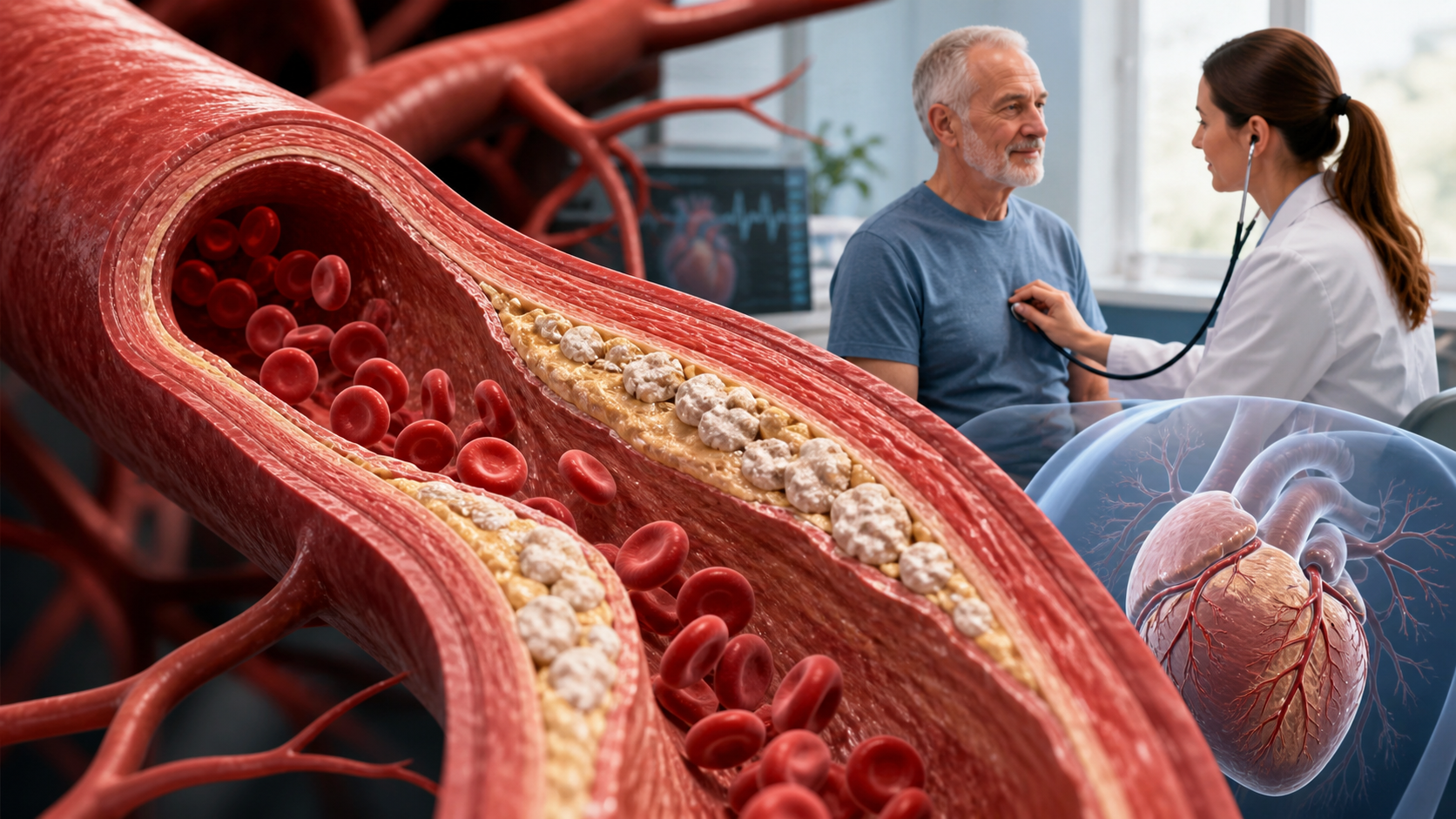
Arterial Calcification and Vascular Aging: Reading the Risk Signals
Arterial calcification can reveal accumulated vascular risk. Learn what calcium scores mean, why calcification develops, and where testing has limits.
10 min read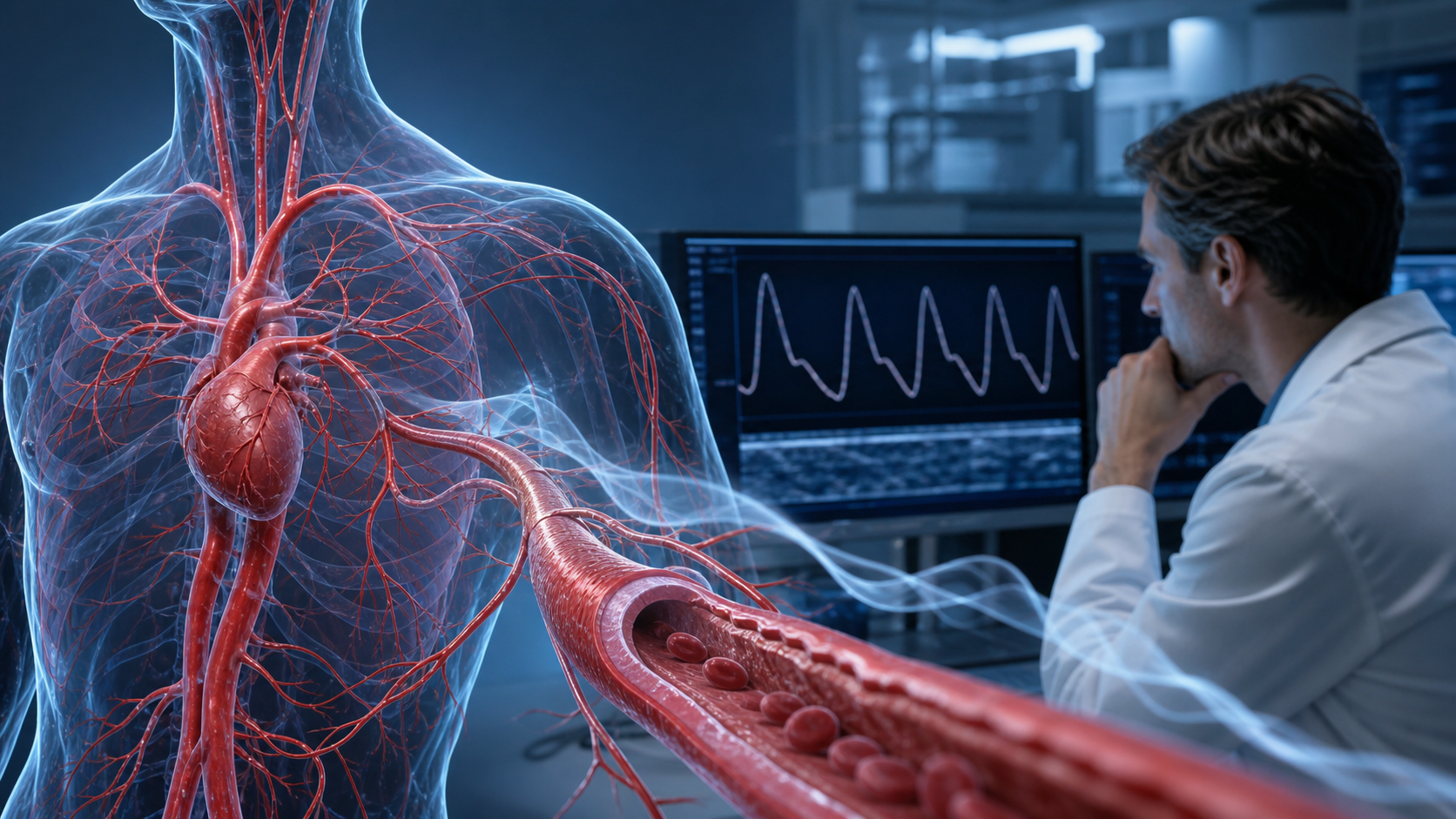
Arterial Stiffness and Vascular Age: A Longevity Evidence Guide
Understand arterial stiffness vascular age longevity links, key studies, measurement limits, and evidence-based lifestyle implications for healthy aging.
11 min read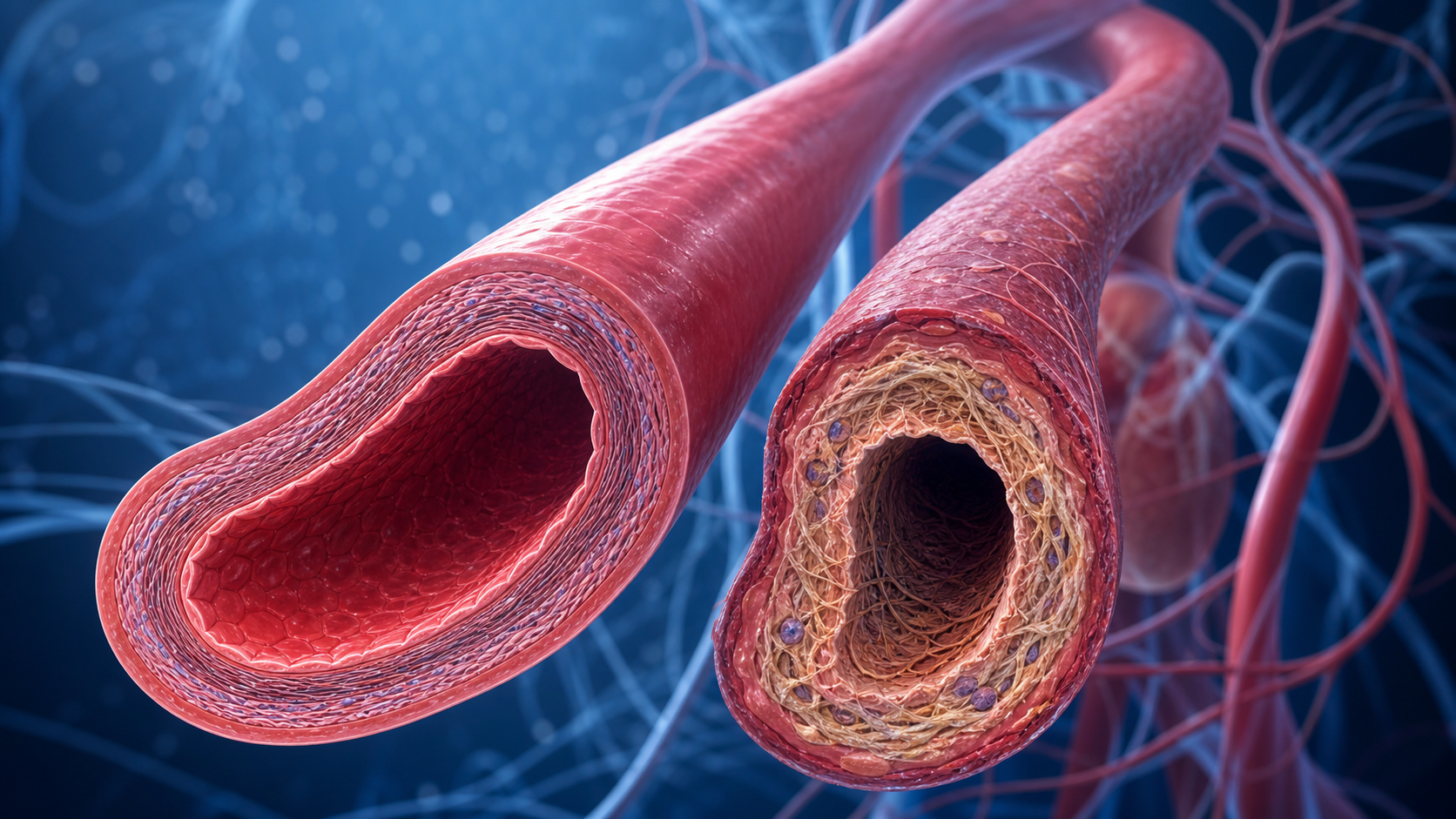
Arterial Stiffness and Vascular Aging: What the Evidence Shows
Explore arterial stiffness vascular aging, how vessels change over time, what pulse wave velocity studies show, and practical ways evidence may inform prevention.
10 min read