
Motor Unit Remodeling With Age: Why Strength Is More Than Muscle Size
Aging changes how nerves recruit muscle fibers, not only how much muscle we carry. Learn what motor unit remodeling means and how training supports function.
Table of Contents
DISCLAIMER
This article is for informational purposes only and does not constitute medical advice. The statements in this article have not been evaluated by the FDA. The information presented is based on published research and should not be used as a substitute for professional medical guidance. Consult your physician before starting any supplement or health protocol.
Muscle mass is visible, measurable, and easy to discuss. The wiring that makes muscle contract receives less attention. Every voluntary movement begins when motor neurons activate groups of muscle fibers. Those neuron-fiber teams are called motor units.
With age, some motor neurons are lost and the surviving system adapts. This remodeling helps preserve function, but it can also reduce precision, speed, and reserve. It explains why healthy aging requires more than trying to maintain muscle size.
How Motor Units Produce Force
A motor neuron branches to multiple muscle fibers. Small motor units support fine, low-force control; larger units contribute more force. The nervous system increases effort by recruiting additional units and changing how quickly they fire.
This arrangement lets the same hand hold an egg or carry a heavy bag. It also allows posture to be adjusted continuously without conscious calculation. Strength is therefore a property of the whole neuromuscular system, not muscle tissue alone.
Training improves skill partly because the brain learns to recruit the right units more effectively. Early gains in a new resistance program often occur before substantial muscle growth, reflecting neural and technical adaptation.
What Remodeling Means With Age
When a motor neuron is lost, some of its muscle fibers become temporarily disconnected. Nearby surviving neurons may sprout branches and reinnervate those fibers. The result is often fewer but larger motor units.
This compensation can preserve muscle fibers that would otherwise shrink. It also has limits. A larger unit controls more fibers together, which may reduce fine control. If denervation outpaces reinnervation, fibers can atrophy and whole-muscle capacity declines.
Changes are not uniform across people or muscles. Physical activity, disease, injury, nutrition, and genetics all influence the trajectory. A biopsy, electromyography test, and functional strength test examine different parts of the problem, so one measure cannot summarize the entire system.
How Remodeling Appears in Daily Life
The consequences may show up as slower force development, difficulty recovering balance, reduced hand precision, greater fatigue, or more variable movement. These signs are not specific to motor units; joint pain, vision, sensation, medication effects, cardiovascular capacity, and confidence also matter.
Power—the ability to produce force quickly—can decline faster than maximal strength. That matters when standing from a low chair, climbing stairs, or taking a rapid recovery step. A person may still complete a slow strength test yet struggle when daily life demands speed.
New one-sided weakness, foot drop, marked muscle twitching, progressive loss of coordination, swallowing difficulty, or rapidly worsening function requires medical evaluation. Normal aging should never be assumed when neurological symptoms appear.
What Training Can Support
Progressive resistance training provides a strong reason for the nervous system and muscle to maintain capacity. Programs can include major movement patterns—squat or sit-to-stand, hinge, push, pull, carry, and calf work—adapted to the person’s health and experience.
Power practice may use a controlled lowering phase followed by a safely faster effort, such as standing briskly from a chair. Balance and coordination work add task-specific demands that a strength machine alone cannot reproduce. Walking and aerobic exercise support endurance but do not fully replace resistance work.
The dose should be challenging enough to create adaptation and gradual enough to recover from. Technique, range, load, speed, and weekly volume can be progressed separately. Protein and total energy must be adequate, but supplements cannot substitute for the mechanical and neural signal of practice.
The Healthy-Aging Perspective
Motor unit remodeling is both a story of loss and compensation. The aging nervous system reorganizes to keep muscle fibers working, often successfully for years. Training gives that system repeated opportunities to recruit, coordinate, and produce force.
Exercise cannot guarantee preservation of every neuron. It can build functional reserve around the biology that remains. That is the practical target: movements that are stronger, faster when needed, and reliable enough to support independence.
Frequently Asked Questions
What is a motor unit?
Can exercise replace lost motor neurons?
Why can strength fall before muscle looks much smaller?
Sources
Stay Updated on Longevity Science
Weekly research digests. No spam, unsubscribe anytime.
Related Articles
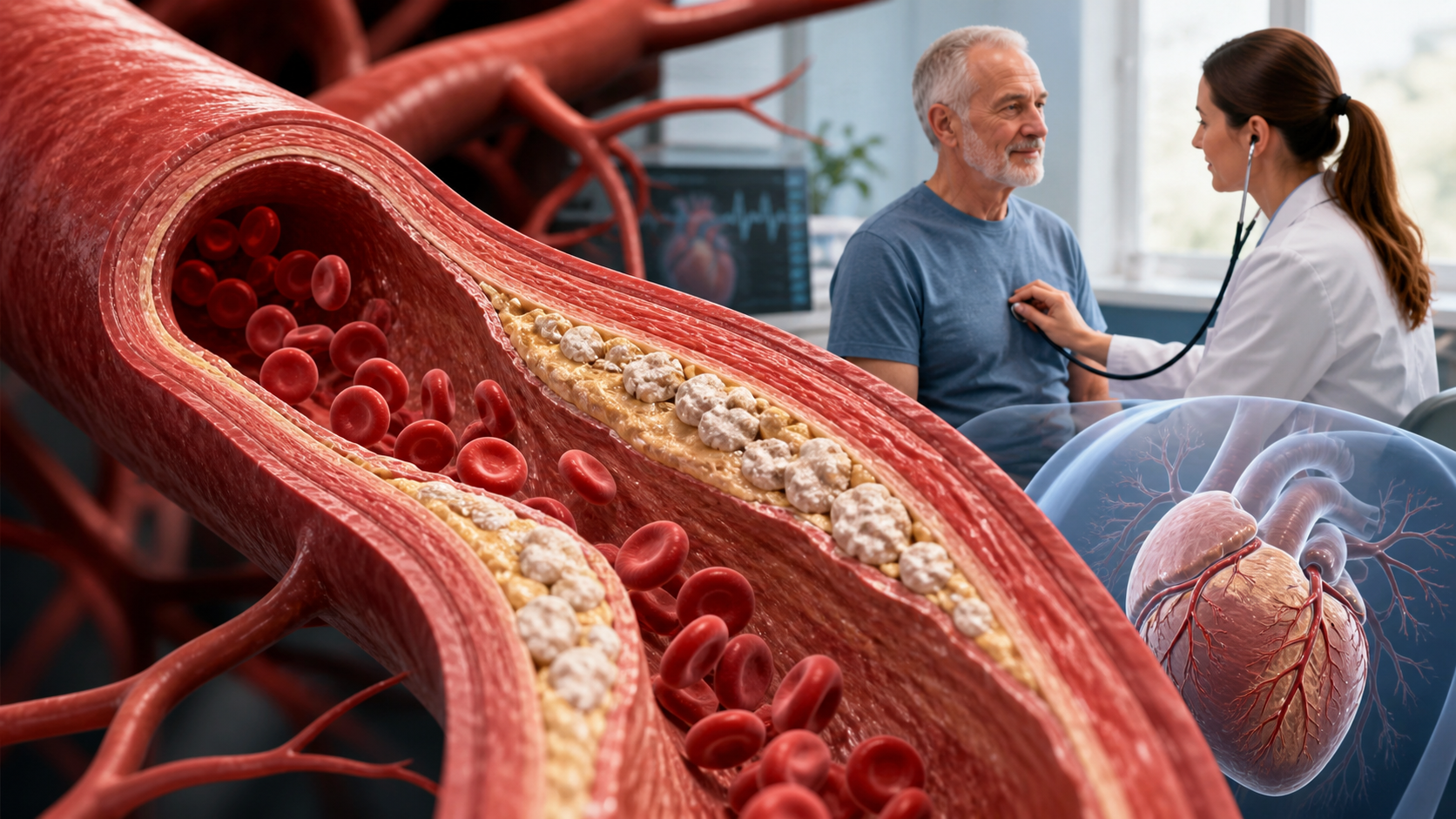
Arterial Calcification and Vascular Aging: Reading the Risk Signals
Arterial calcification can reveal accumulated vascular risk. Learn what calcium scores mean, why calcification develops, and where testing has limits.
10 min read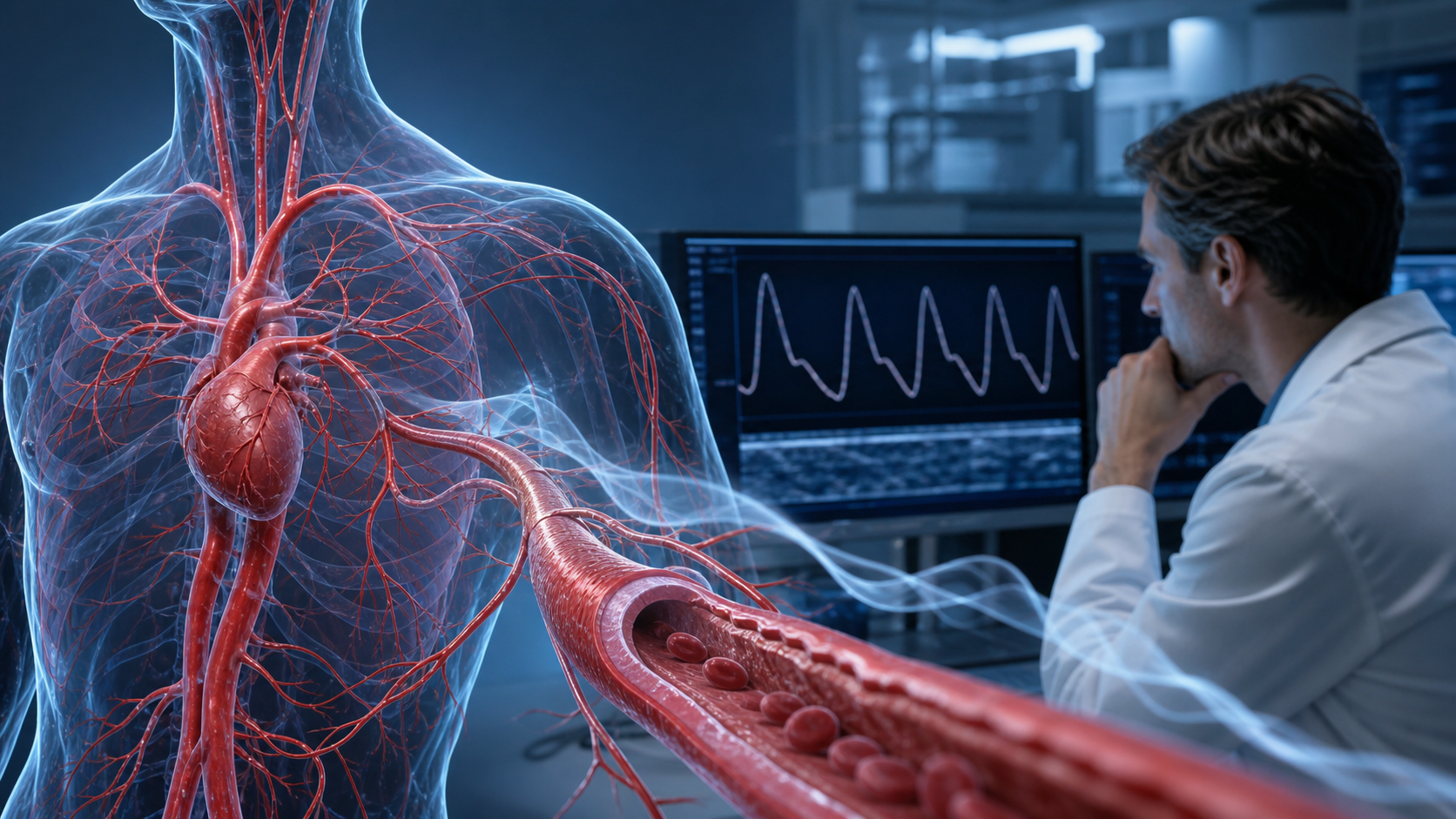
Arterial Stiffness and Vascular Age: A Longevity Evidence Guide
Understand arterial stiffness vascular age longevity links, key studies, measurement limits, and evidence-based lifestyle implications for healthy aging.
11 min read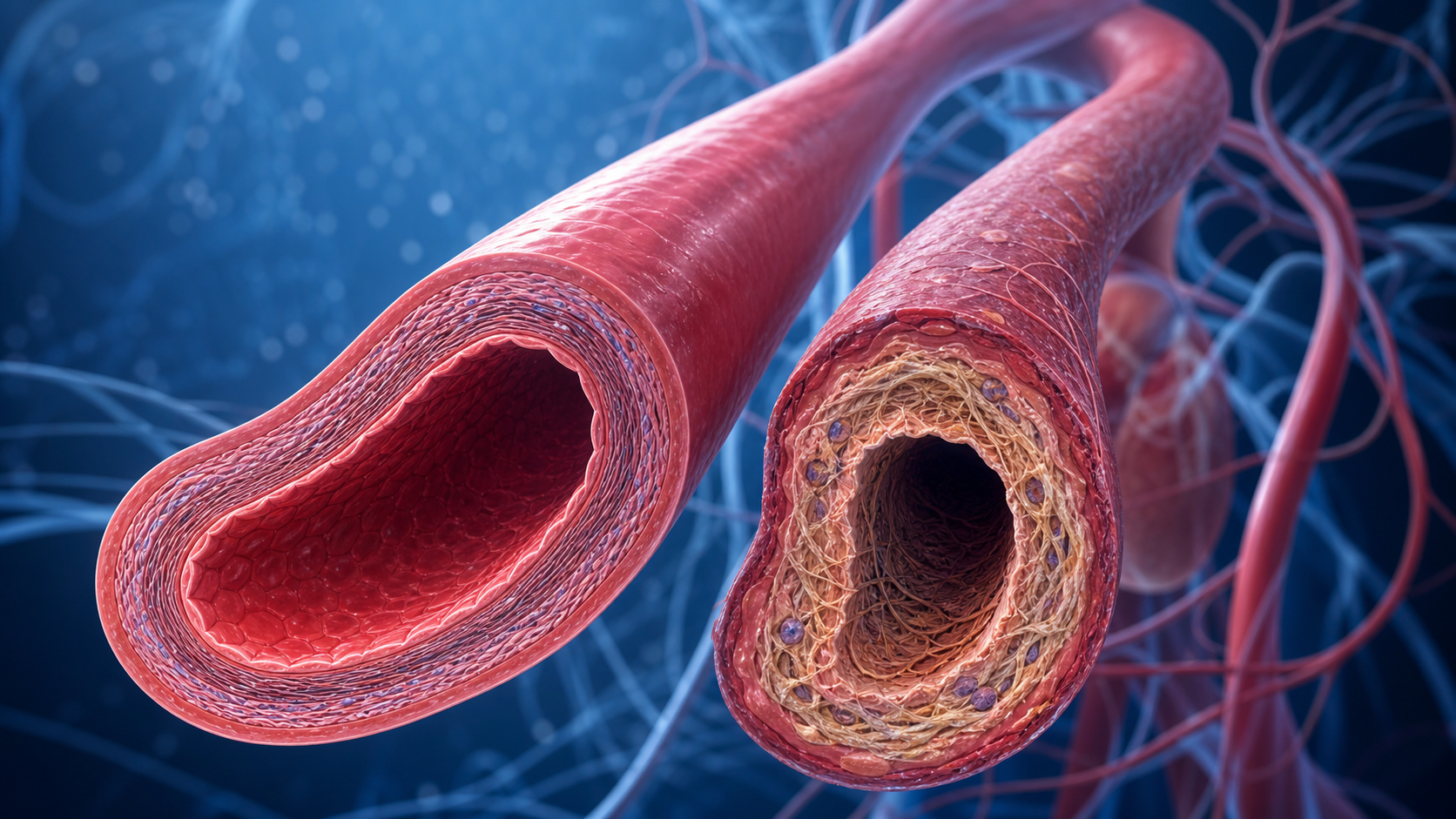
Arterial Stiffness and Vascular Aging: What the Evidence Shows
Explore arterial stiffness vascular aging, how vessels change over time, what pulse wave velocity studies show, and practical ways evidence may inform prevention.
10 min read