
Klotho Declines With Age — But Is It a Cause of Aging or Just a Marker?
Klotho is one of the most studied longevity-associated proteins, yet human trials remain scarce. Here is what research suggests about its role in aging — and where the ev
Table of Contents
DISCLAIMER
This article is for informational purposes only and does not constitute medical advice. The statements in this article have not been evaluated by the FDA. The information presented is based on published research and should not be used as a substitute for professional medical guidance. Consult your physician before starting any supplement or health protocol.
What Klotho actually is
Klotho is a transmembrane protein expressed most abundantly in the kidney, with lower expression in the choroid plexus of the brain and in parathyroid tissue. It was named after one of the Greek Fates — the one who spins the thread of life — after a 1997 paper showed that mice lacking the gene developed a syndrome resembling accelerated aging, including shortened lifespan, vascular calcification, and cognitive impairment.
That founding observation is the reason Klotho occupies such a prominent place in longevity discussions. But the leap from a mouse knockout to a human anti-aging intervention is a long one, and much of the popular commentary skips the intermediate steps. The knockout mouse is a dramatic result — a single gene deletion producing a multi-system phenotype — but it is also a blunt instrument. Complete absence of a protein from development onward is not the same as a gradual decline in adulthood, and it is certainly not the same as the modest variations in circulating levels that human studies measure.
The protein exists in two forms: a membrane-bound form that acts as a co-receptor for fibroblast growth factor 23 (FGF23), and a soluble form that circulates in blood and cerebrospinal fluid. The soluble form is what most human studies measure, and it appears to have endocrine-like effects on phosphate metabolism, oxidative stress, and insulin signaling. The two forms are produced by different mechanisms — the membrane-bound form can be cleaved by proteases to release a soluble fragment, and there is also a secreted splice variant — which matters for interpretation, because an assay that detects soluble Klotho may be capturing a mix of fragments with potentially different biological activities.
Why researchers pay attention
The mechanistic case is genuinely interesting. Klotho is a co-receptor for FGF23, which regulates phosphate and vitamin D metabolism. Mice with disrupted Klotho signaling show elevated phosphate, vascular calcification, and shortened lifespan — a pattern that suggests Klotho matters for cardiovascular and kidney health, not just for some abstract ‘aging clock.’
Separately, soluble Klotho has been reported to influence several signaling pathways implicated in aging, including insulin/IGF-1 signaling and oxidative stress responses. Some studies suggest it may modulate TRPC channels and NMDA receptor function in the brain, which is one reason it has been studied in relation to cognition. These are not merely correlative observations; they are grounded in specific molecular interactions that have been characterized in cell and animal models. The TRPC channel work, for instance, emerged from the observation that Klotho can affect calcium handling, and the NMDA receptor connection fits with the broader interest in glutamate signaling and cognitive aging.
Observational human data have linked higher circulating Klotho to better performance on cognitive tests, lower cardiovascular risk markers, and in some cohorts, longer survival. But observational associations are vulnerable to reverse causation: people who are healthier may simply produce more Klotho, rather than Klotho making them healthier. This is not a trivial caveat. In aging research, almost every biomarker that looks promising in cross-sectional data tends to weaken when examined in longitudinal studies or randomized trials, because health status and health behaviors are so tightly intertwined with biomarker levels.
The measurement problem
The first thing to understand about Klotho research is that measuring it is not straightforward. Circulating Klotho levels are low, and different assays — ELISA kits from different manufacturers, mass spectrometry approaches, and cerebrospinal fluid sampling — do not always agree. A 2021 review noted substantial heterogeneity in how soluble Klotho is quantified across studies, which complicates pooling results.
There is also the question of what compartment matters. Blood Klotho and cerebrospinal fluid Klotho may tell different stories, and cerebrospinal fluid sampling is invasive, so most large cohorts rely on blood. Whether blood levels reflect tissue-level activity in the kidney or brain is not fully established. The kidney is the main source of circulating Klotho, so a blood measurement may primarily reflect renal production rather than central nervous system activity. This is a crucial distinction: if Klotho acts locally in the brain, then a serum level could be a poor proxy for what is happening at the synapse.
This measurement uncertainty is not a reason to dismiss Klotho research. It is a reason to be cautious about single-study claims and about commercial tests that report a Klotho number without context. A low or high value on a direct-to-consumer test may mean little without knowing which assay was used, what the reference population was, and whether the sample was collected under standardized conditions.
What human studies suggest — and what they do not
Several observational studies have reported associations between higher serum Klotho and better cognitive function in older adults. A 2017 study in older adults found that higher Klotho was associated with better executive function and verbal memory, though the effect sizes were modest. Other cohorts have reported links to lower odds of frailty and better cardiovascular profiles.
Interventional human evidence is much thinner. There have been small trials of Klotho administration — notably a 2017 pilot study in which a single intravenous dose of soluble Klotho was given to a small number of participants, with some suggestion of improved cognitive measures. That study was small and short, and it has not yet been replicated at scale. It is best read as a signal worth following, not a proven therapy. The distinction between a pilot study and a definitive trial is not a matter of semantics; it is the difference between a hypothesis-generating observation and a basis for clinical decision-making.
Genetic studies offer another angle. Certain KLOTHO variants, including the ‘KL-VS’ haplotype, have been associated with cognitive performance and longevity in some cohorts, but the findings have not been uniform across populations. A variant that looks protective in one cohort may not replicate in another — a familiar pattern in complex genetics. The KL-VS story is instructive: initial reports were exciting, but subsequent studies have been mixed, and the effect, if real, is likely to be modest and context-dependent.
The kidney connection is the strongest thread
The most robust human data on Klotho concern kidney disease. Klotho expression falls in chronic kidney disease, and lower Klotho is associated with vascular calcification and cardiovascular risk in that population. This is mechanistically coherent: Klotho is a co-receptor for FGF23, and the FGF23–Klotho axis is central to phosphate handling.
That coherence matters. It means Klotho is not merely a statistical correlate; there is a plausible physiological pathway connecting it to outcomes, at least in the kidney context. Whether the same pathway explains broader aging effects in healthy people is less clear. In kidney disease, the relationship between Klotho, FGF23, and phosphate is well characterized, and the consequences of disrupting it are visible in both animal models and human patients. In healthy aging, the picture is murkier: Klotho levels decline with age in some studies, but the functional consequences of that decline are not well understood.
Some researchers have proposed Klotho as a biomarker of kidney and cardiovascular risk rather than a master regulator of aging. That framing is more modest, but it is also better supported by the current human literature. It also has practical implications: if Klotho is primarily a marker of kidney health, then interventions aimed at raising it may be most effective in people with kidney disease, rather than in the general population.
Lifestyle factors associated with Klotho
A handful of studies have looked at whether lifestyle factors correlate with Klotho levels. Some report that higher physical activity is associated with higher soluble Klotho, though the direction of causality is unclear. Others have examined dietary patterns, with inconsistent results.
What is notable is that the effect sizes in these studies tend to be small, and the studies are often cross-sectional. That means they cannot tell us whether exercise raises Klotho or whether people with higher Klotho are simply more able to exercise. This is a recurring theme in aging research: associations are plentiful, causal evidence is scarce, and the gap between the two is where most marketing lives.
Where the field is heading
Several lines of research are worth watching. First, better assays for soluble Klotho — particularly ones that can distinguish between different forms and compartments — would improve the quality of observational data. Second, larger and longer intervention trials are needed; the existing human trials are small enough that random variation could explain their results.
Third, combination approaches are being explored. Klotho is unlikely to act alone; it interacts with FGF23, vitamin D, and phosphate metabolism. Researchers are increasingly interested in how these pathways interact rather than in Klotho as a single lever.
Finally, there is the question of whether Klotho can be safely and effectively increased in humans. The protein is large, which makes it an awkward drug candidate. Smaller mimetics or inducers are being investigated, but none has yet produced definitive human outcome data. The size problem is not trivial: large proteins are costly to manufacture, difficult to deliver orally, and may not cross the blood-brain barrier efficiently, which matters if the goal is to influence cognition.
Practical takeaway
Klotho is a legitimate and mechanistically interesting protein with strong animal data and suggestive human observational data. It is not a proven anti-aging intervention, and no one should expect a Klotho supplement to reverse aging on the basis of current evidence.
The most defensible claim is this: Klotho is associated with kidney, cardiovascular, and cognitive health in observational studies, and the FGF23–Klotho axis is a real physiological pathway. Whether raising Klotho improves outcomes in healthy humans remains an open question that larger trials will need to answer.
Frequently asked questions
Can I test my Klotho level?
Yes, several labs offer serum Klotho testing, but results vary between assays and there is no universally agreed reference range for healthy aging. Treat a single number as one data point, not a verdict.
Do Klotho supplements work?
Direct Klotho supplements are less common than products marketed as ‘Klotho boosters.’ The evidence that any oral supplement reliably raises circulating Klotho in humans is limited, and effects, where reported, tend to be modest.
Is low Klotho a disease?
No. Low Klotho is a risk marker, most clearly in kidney disease, not a diagnosis. It is one of many signals researchers use to understand aging biology, not a standalone condition.
This article summarises published research and is not medical advice. Consult your healthcare provider before changing your routine.
Frequently Asked Questions
Can I test my Klotho level?
Do Klotho supplements work?
Is low Klotho a disease?
Sources
Stay Updated on Longevity Science
Weekly research digests. No spam, unsubscribe anytime.
Related Articles
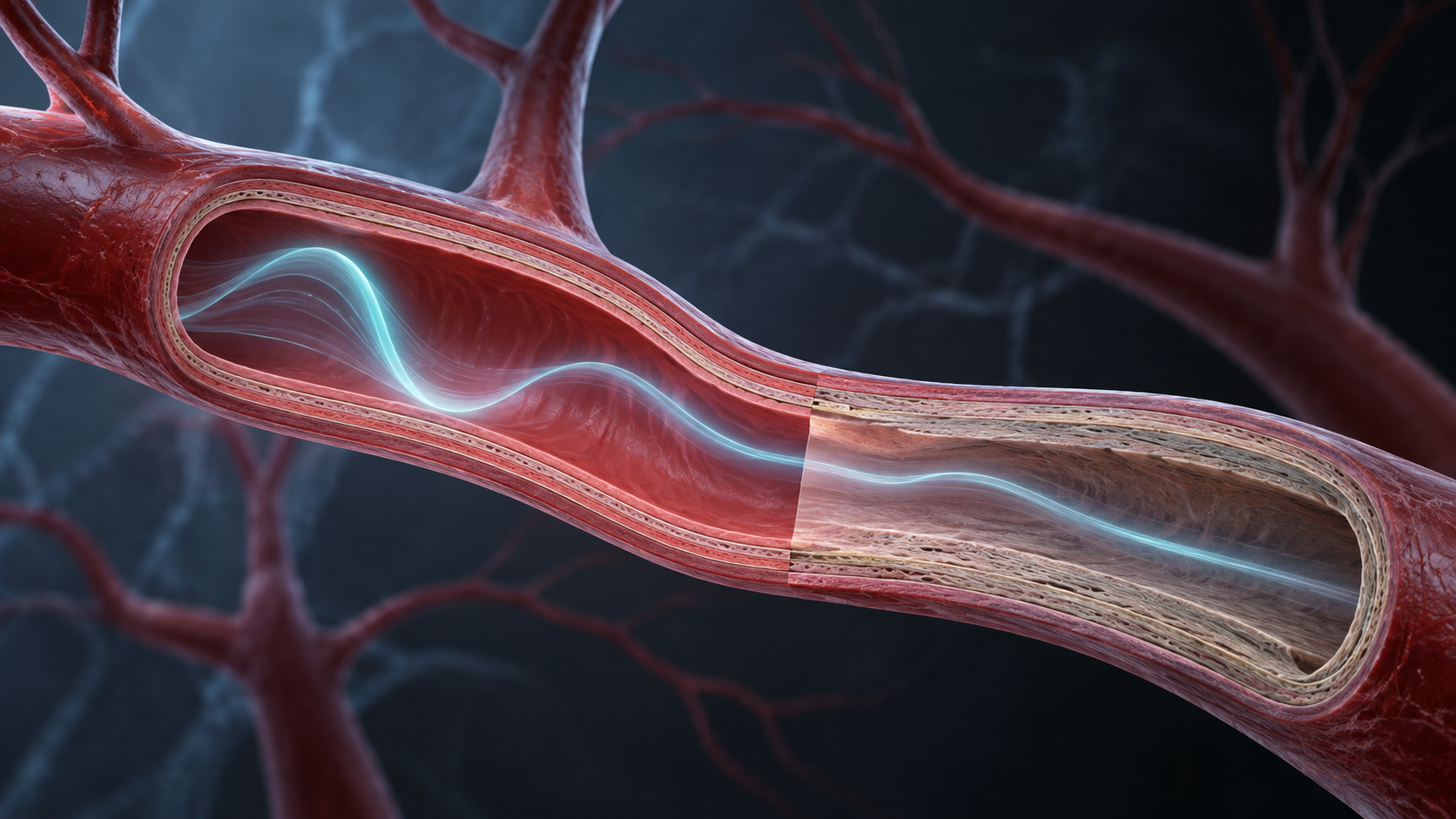
Arterial Stiffness and Vascular Age: A Longevity Evidence Guide
Understand arterial stiffness vascular age longevity links, key studies, measurement limits, and evidence-based lifestyle implications for healthy aging.
11 min read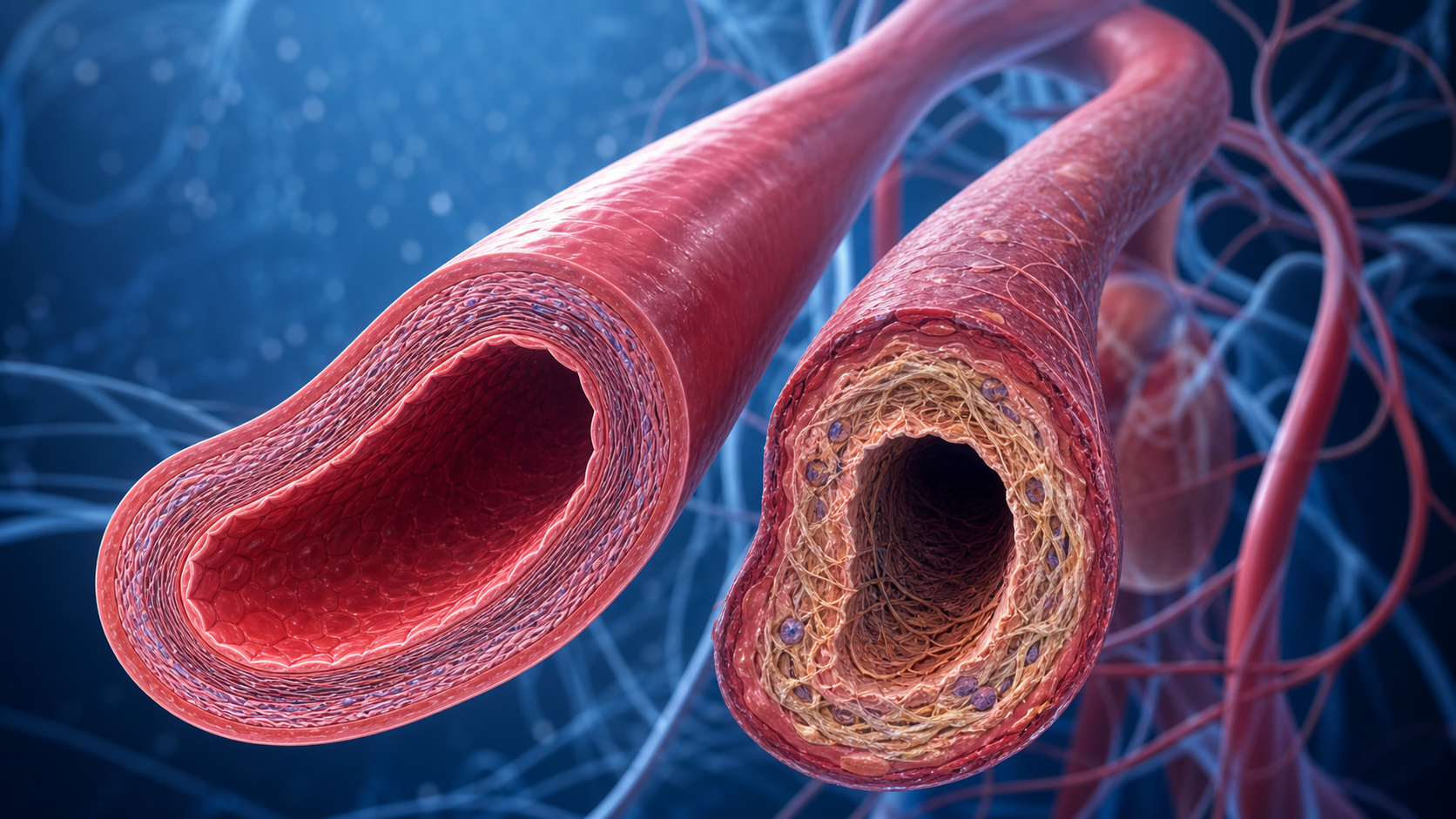
Arterial Stiffness and Vascular Aging: What the Evidence Shows
Explore arterial stiffness vascular aging, how vessels change over time, what pulse wave velocity studies show, and practical ways evidence may inform prevention.
10 min read
Autophagy and Aging: Your Body's Cellular Cleanup System
Explore autophagy, your body's cellular cleanup system, and its critical role in aging and longevity. Research suggests modulating autophagy may support cellular health.
12 min read