
Kidney Functional Reserve and Aging: What the Evidence Shows
Kidney functional reserve describes extra filtration capacity under demand. Learn how aging affects renal resilience and why routine kidney markers need context.
Table of Contents
DISCLAIMER
This article is for informational purposes only and does not constitute medical advice. The statements in this article have not been evaluated by the FDA. The information presented is based on published research and should not be used as a substitute for professional medical guidance. Consult your physician before starting any supplement or health protocol.
Routine kidney tests estimate how well the organs filter blood at rest. Kidney functional reserve asks a different question: how much additional filtration capacity is available when the body faces a physiologic demand?
The concept is similar to cardiac reserve. Two people can have comparable resting measurements while differing in how much capacity they can recruit under stress. Researchers are studying whether reduced renal reserve helps reveal early vulnerability before standard markers become clearly abnormal.
What Kidney Functional Reserve Means
Healthy kidneys can temporarily increase glomerular filtration after certain stimuli, historically including a controlled protein or amino-acid load. The difference between baseline filtration and stimulated filtration is called renal functional reserve.
This response involves blood flow, pressure within glomerular capillaries, signaling at the tubules, and the ability of remaining nephrons to adjust. It is not a test people should attempt by consuming an extreme protein meal. Research protocols standardize the stimulus and monitor the response because diet, hydration, medication, and disease can affect results.
Unlike serum creatinine or estimated glomerular filtration rate, reserve testing is not routine clinical care. Methods differ, reference ranges are not fully standardized, and the result has no single universally accepted treatment pathway.
How the Kidneys Change With Age
Kidney mass and the number of functioning nephrons tend to decline across adulthood. Blood vessels may stiffen, glomeruli can scar, and the tubules may become less efficient at concentrating urine or handling rapid shifts in salt and water.
Average estimated filtration also falls with age, but age alone does not explain every decline. High blood pressure, diabetes, vascular disease, recurrent acute kidney injury, certain medications, and smoking can accelerate damage. Conversely, some older adults maintain stable kidney function for many years.
Reserve may narrow before resting filtration looks severely impaired. The remaining nephrons can compensate, preserving an apparently acceptable baseline while leaving less flexibility for illness, surgery, dehydration, or medication stress.
Why Resting Markers Can Miss Context
Serum creatinine is influenced by muscle mass. An older adult with low muscle mass may have a creatinine value that looks reassuring even when filtration is reduced. Estimated GFR equations improve interpretation but remain estimates. Urine albumin adds important information about kidney damage that eGFR alone may miss.
Clinicians therefore look at trends, urine testing, blood pressure, medication exposure, and the clinical setting. Cystatin C can sometimes refine filtration estimates when creatinine is difficult to interpret.
Functional reserve is attractive as a research marker because it focuses on resilience. However, a lower response does not automatically mean that chronic kidney disease is present, and a preserved response does not rule out every form of kidney injury.
Protecting Renal Resilience
The most evidence-based steps are familiar: manage blood pressure and diabetes, avoid smoking, stay appropriately hydrated during heat or illness, and review medicines that can affect the kidneys. Nonsteroidal anti-inflammatory drugs can be risky in susceptible people, particularly during dehydration or when combined with other kidney-stressing medications.
Protein needs require balance. Older adults need adequate protein to preserve muscle, while people with established kidney disease may receive individualized advice based on disease stage, nutritional status, and treatment goals. Extreme restriction or loading without professional guidance can create new problems.
Exercise supports cardiovascular and metabolic health, which indirectly protects the kidneys. Preventing recurrent acute kidney injury may also help preserve long-term capacity.
What to Ask at a Checkup
Useful questions include whether eGFR is stable, whether urine albumin has been measured, and whether current medicines need adjustment for kidney function. Swelling, persistent foamy urine, blood in the urine, major changes in urination, or unexplained nausea and fatigue deserve medical evaluation.
Kidney functional reserve is not yet a home longevity score. It is a valuable scientific idea because it shifts attention from resting performance to spare capacity. Healthy aging depends not only on what organs can do on an ordinary day, but also on what they can still do when conditions become difficult.
Sources
Stay Updated on Longevity Science
Weekly research digests. No spam, unsubscribe anytime.
Related Articles
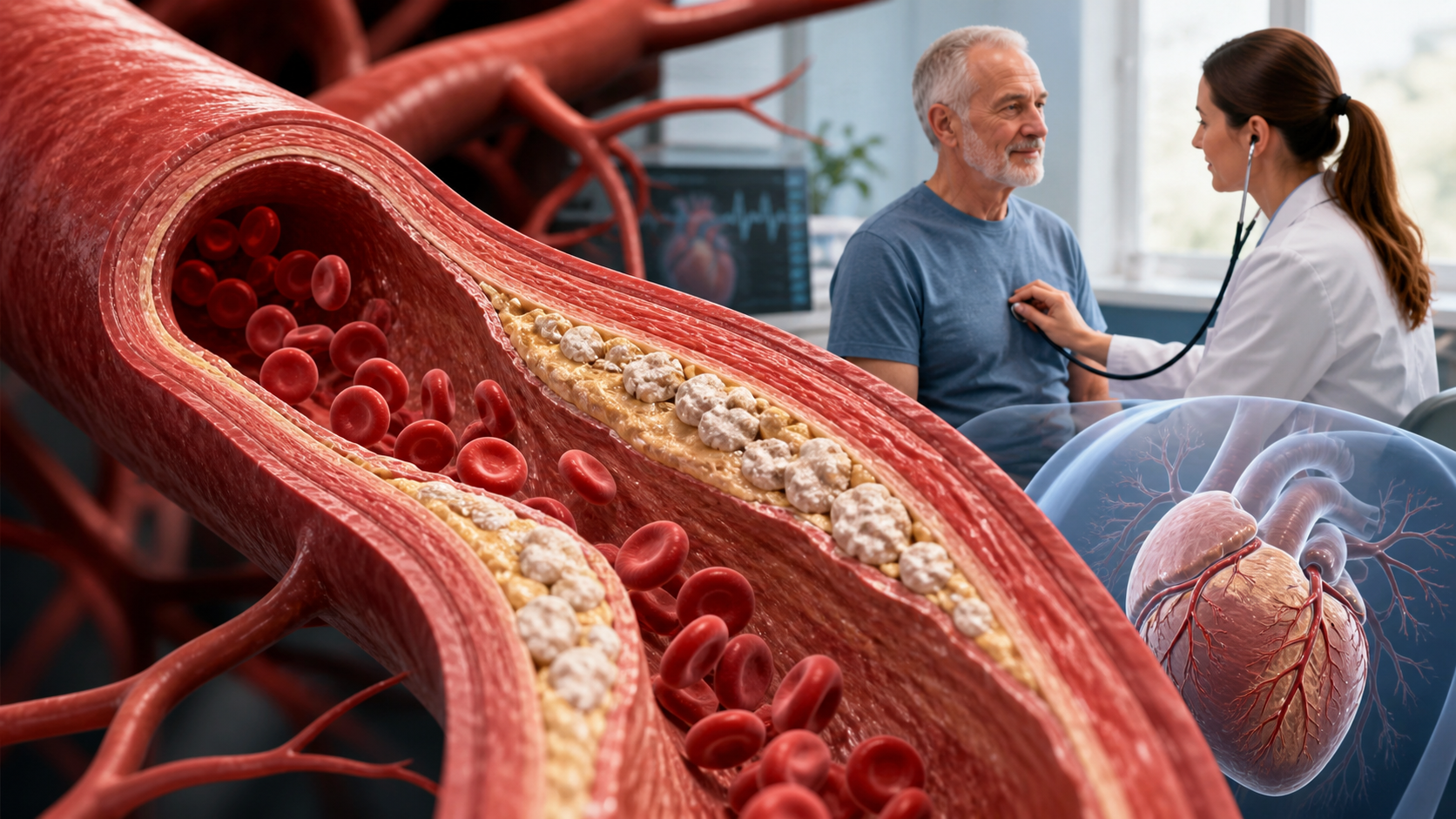
Arterial Calcification and Vascular Aging: Reading the Risk Signals
Arterial calcification can reveal accumulated vascular risk. Learn what calcium scores mean, why calcification develops, and where testing has limits.
10 min read
Arterial Stiffness and Vascular Age: A Longevity Evidence Guide
Understand arterial stiffness vascular age longevity links, key studies, measurement limits, and evidence-based lifestyle implications for healthy aging.
11 min read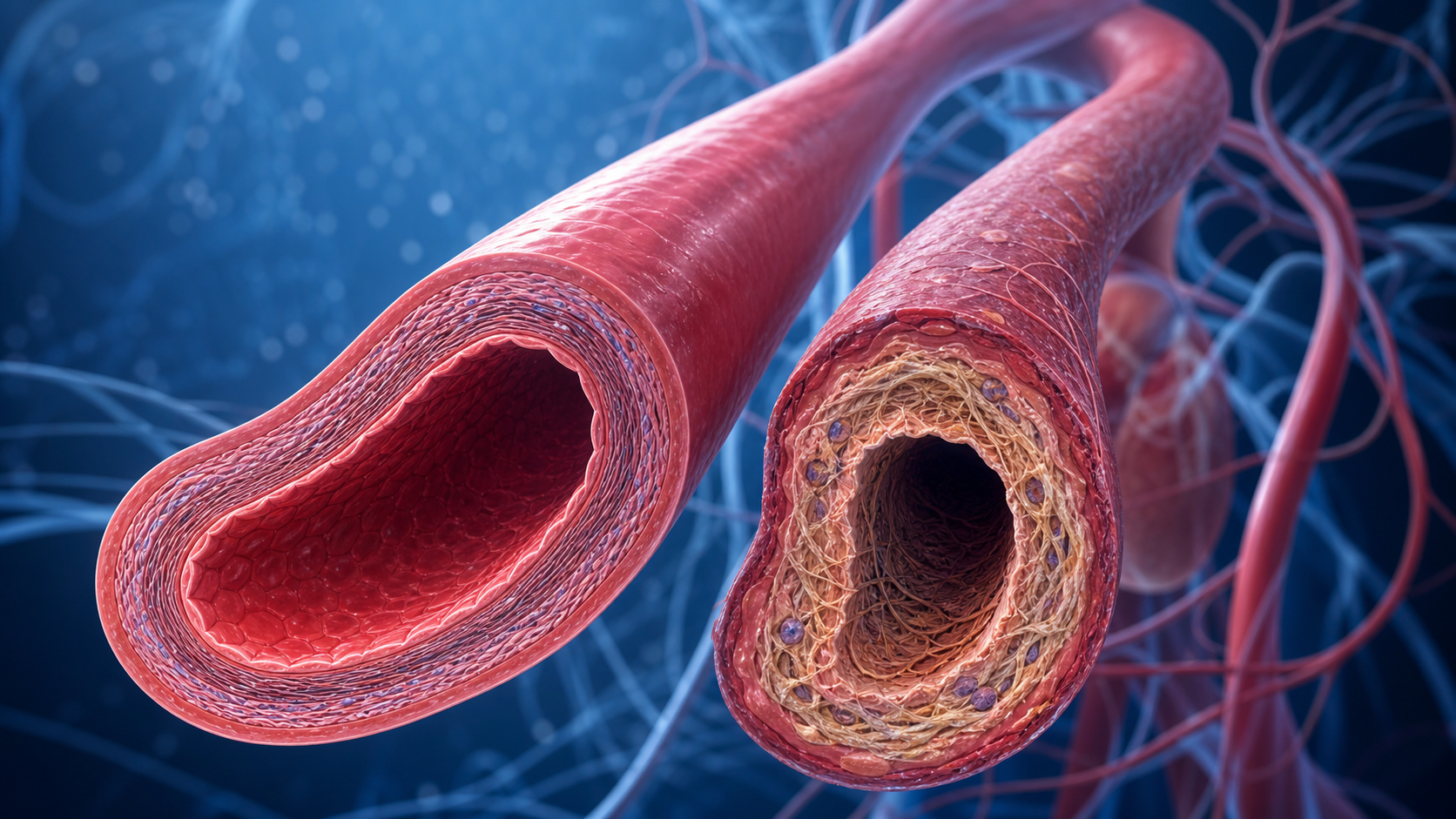
Arterial Stiffness and Vascular Aging: What the Evidence Shows
Explore arterial stiffness vascular aging, how vessels change over time, what pulse wave velocity studies show, and practical ways evidence may inform prevention.
10 min read