
Heart Rate Recovery and Healthy Aging: What One Minute Reveals
Heart rate recovery reflects how quickly the body shifts out of exercise mode. Learn what it measures, what affects it, and how to interpret trends.
Table of Contents
DISCLAIMER
This article is for informational purposes only and does not constitute medical advice. The statements in this article have not been evaluated by the FDA. The information presented is based on published research and should not be used as a substitute for professional medical guidance. Consult your physician before starting any supplement or health protocol.
Heart rate recovery describes how quickly the pulse falls after exercise stops. It looks simple, but the number reflects a coordinated handoff between the sympathetic nervous system, which helps drive effort, and the parasympathetic nervous system, which helps the body return toward rest.
Researchers have studied slow recovery as a marker associated with cardiovascular risk and overall fitness. That does not make a single smartwatch reading a diagnosis. It does make a consistently measured trend potentially useful when interpreted alongside symptoms, training history, medications, and clinical risk factors.
What Heart Rate Recovery Measures
During exercise, heart rate rises to deliver more oxygen to working muscles. When the effort ends, the pulse should begin to fall. Early recovery is influenced heavily by parasympathetic reactivation, followed by a broader reduction in sympathetic drive.
The most common field measure is the difference between heart rate at the end of exercise and heart rate one minute later. Some protocols also record the two-minute change. A larger drop generally suggests faster recovery, but results depend on whether the person stops completely or continues walking, how hard the preceding effort was, and exactly when the measurement begins.
That protocol dependence matters. A value from a maximal treadmill test cannot be compared directly with a value after a casual neighborhood walk. The useful comparison is usually the same person, using the same exercise and recovery routine over time.
Why Recovery Can Change With Age
Autonomic responsiveness, maximal heart rate, stroke volume, vascular function, and exercise capacity can all change with age. Chronic conditions and medications become more common as well. Beta blockers, for example, deliberately alter the heart-rate response and can make generic consumer thresholds misleading.
Physical activity remains an important modifier. Regular aerobic training can improve cardiorespiratory fitness and autonomic balance across adulthood. Inactive periods, illness, poor sleep, heat stress, dehydration, and accumulated fatigue can temporarily slow recovery even without a lasting decline in fitness.
This is why one unusual result deserves context rather than alarm. A persistent change under standardized conditions is more informative than an isolated number recorded after a different workout, in different weather, with a different device.
What the Research Actually Shows
Landmark clinical studies found that abnormally slow heart-rate recovery after exercise testing was associated with higher mortality risk. These studies helped establish recovery as a practical physiologic signal. However, they used defined treadmill protocols and clinical populations, not every possible wearable or home workout.
Association also does not prove that changing the one-minute number itself improves clinical outcomes. Heart rate recovery may integrate several underlying factors, including fitness, autonomic function, cardiovascular disease, metabolic health, medication effects, and smoking history.
The strongest interpretation is therefore modest: recovery adds information. It should not replace blood pressure, symptoms, laboratory tests, functional capacity, or a clinician’s assessment when those are needed.
How to Track a Meaningful Trend
Choose a repeatable effort such as a fixed brisk walk, cycling interval, or supervised test. Record the finishing heart rate, use the same recovery posture or slow-walking routine, and measure again at exactly one minute. Note temperature, illness, sleep, and medication changes.
Wearables can help with consistency, but wrist sensors may lag during rapid changes. A chest strap or manually checked pulse may be more reliable for some users. The goal is not to chase an elite benchmark. It is to understand whether recovery is stable, improving with training, or changing unexpectedly.
Gradual aerobic exercise, appropriately progressed, is the most practical way to support cardiorespiratory fitness. Resistance training, sleep, hydration, and recovery between hard sessions also shape the broader system.
When a Number Needs Medical Context
Seek medical care for chest pain, fainting, unusual breathlessness, palpitations, or a sudden loss of exercise tolerance. People with known heart disease, rhythm disorders, significant lung disease, or heart-rate-altering medication should ask a clinician how to interpret exercise data.
Heart rate recovery is best treated as a conversation starter and a trend, not a verdict. Measured carefully, it offers a compact view of how the body exits effort—an ability that matters for resilience throughout aging.
Sources
Stay Updated on Longevity Science
Weekly research digests. No spam, unsubscribe anytime.
Related Articles
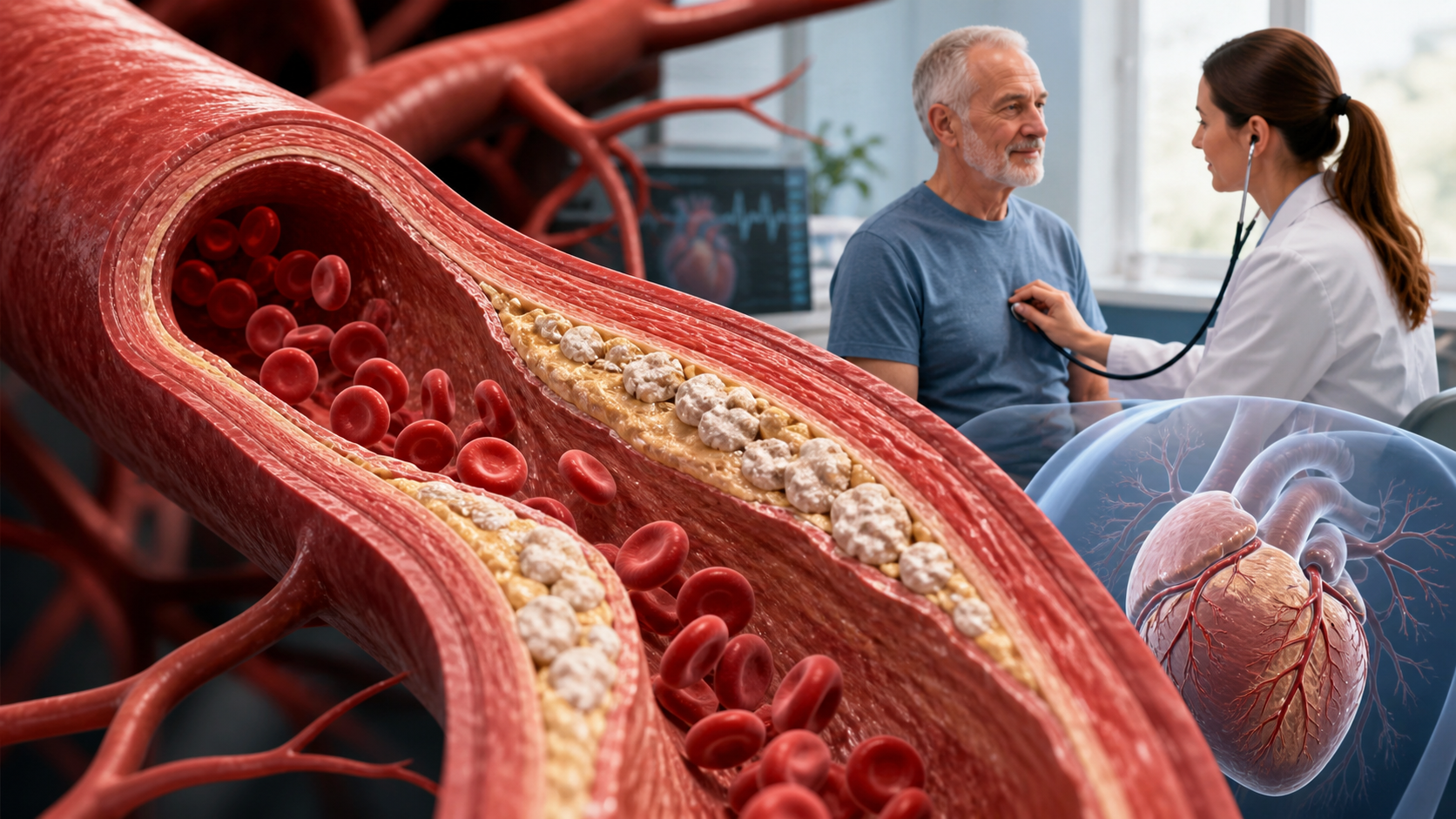
Arterial Calcification and Vascular Aging: Reading the Risk Signals
Arterial calcification can reveal accumulated vascular risk. Learn what calcium scores mean, why calcification develops, and where testing has limits.
10 min read
Arterial Stiffness and Vascular Age: A Longevity Evidence Guide
Understand arterial stiffness vascular age longevity links, key studies, measurement limits, and evidence-based lifestyle implications for healthy aging.
11 min read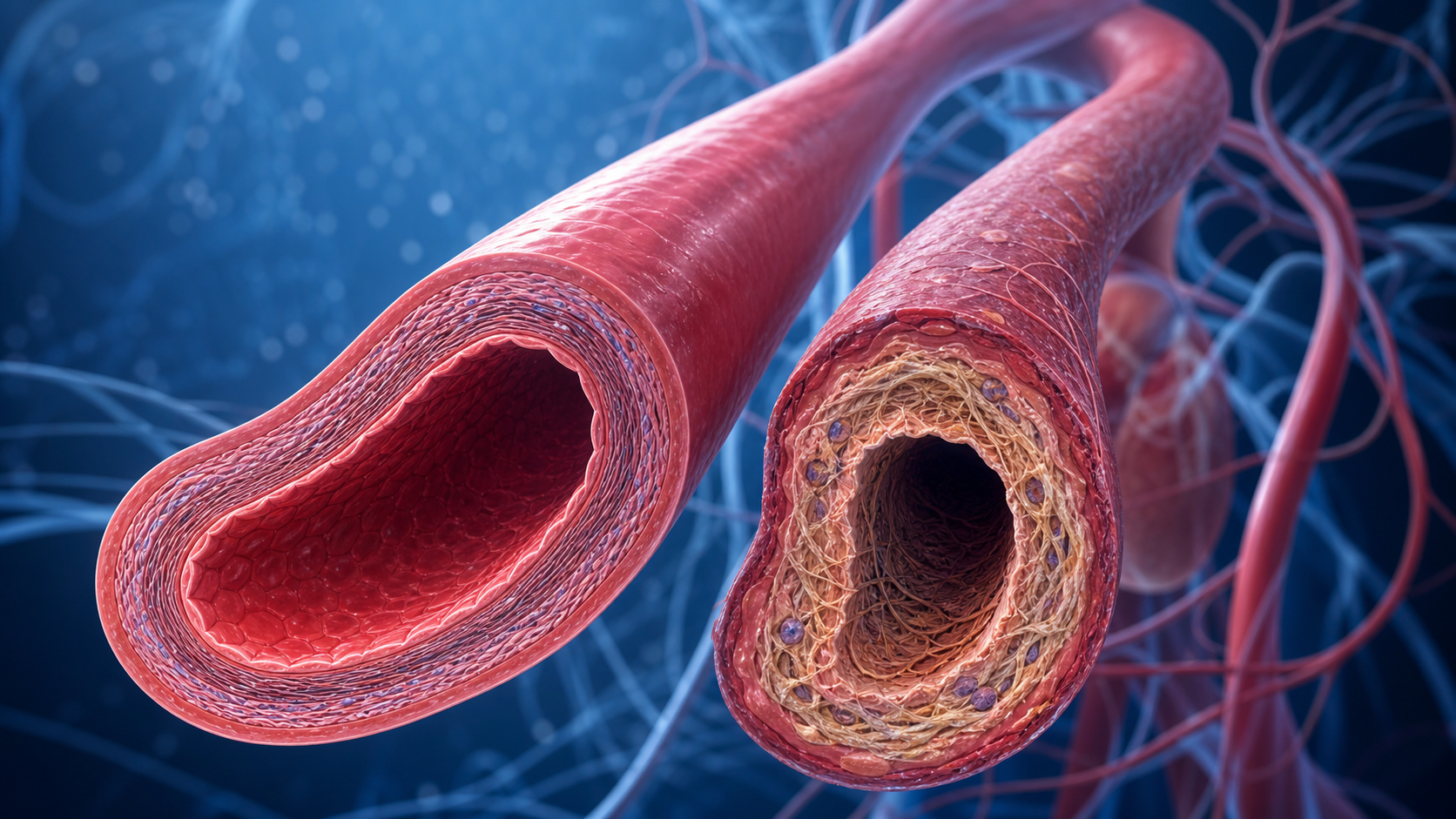
Arterial Stiffness and Vascular Aging: What the Evidence Shows
Explore arterial stiffness vascular aging, how vessels change over time, what pulse wave velocity studies show, and practical ways evidence may inform prevention.
10 min read