Gut Barrier Aging and Inflammaging: What the Evidence Suggests
The intestinal barrier changes with age and may influence chronic inflammation. Learn what researchers know, what remains uncertain, and what supports gut health.
Table of Contents
DISCLAIMER
This article is for informational purposes only and does not constitute medical advice. The statements in this article have not been evaluated by the FDA. The information presented is based on published research and should not be used as a substitute for professional medical guidance. Consult your physician before starting any supplement or health protocol.
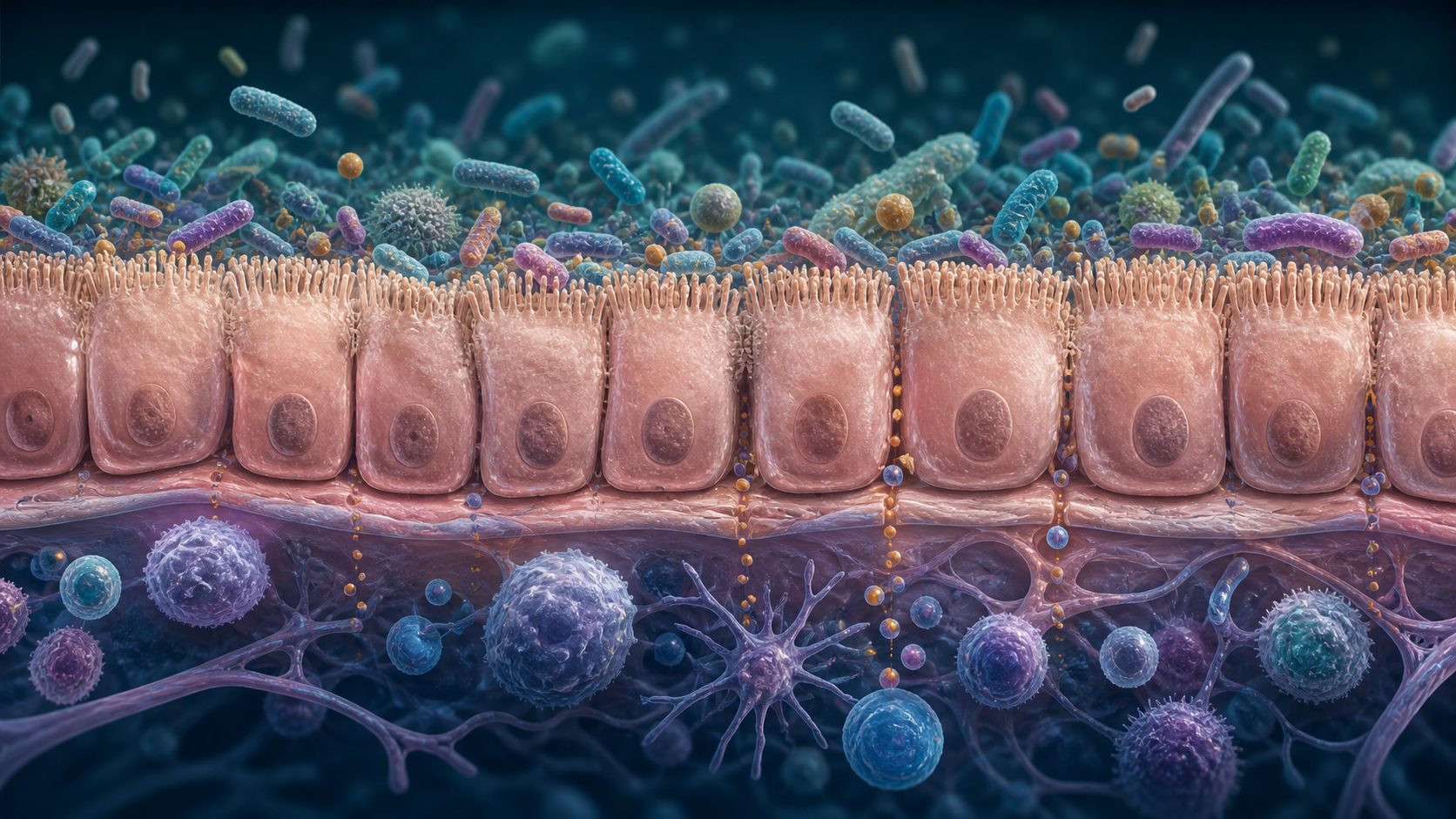
The intestine must perform two conflicting jobs. It absorbs nutrients and communicates with trillions of microbes, while keeping potentially harmful organisms and molecules away from deeper tissue. That selectivity depends on mucus, epithelial cells, tight junctions, immune surveillance, and rapid repair.
With age, parts of this gut barrier system may become less resilient. Researchers are studying whether increased exposure to microbial products contributes to inflammaging, the chronic low-grade inflammatory state associated with later-life disease.
What the Intestinal Barrier Includes
The barrier is not a sheet of plastic. Mucus limits contact with the epithelium. Tight-junction proteins regulate passage between cells. Immune cells sample the environment, while blood flow and tissue repair maintain the lining.
Microbes can support this system by producing metabolites such as short-chain fatty acids from dietary fiber. They can also create harmful compounds under unfavorable conditions. The outcome depends on community function, host genetics, medications, diet, and disease—not simply the number of microbial species.
“Leaky gut” is therefore an imprecise phrase. Permeability can change in different regions and through different mechanisms. A marker of bacterial exposure in blood does not reveal the exact location or cause of a barrier problem.
How Aging May Change Barrier Function
Animal and human studies report age-related differences in microbial composition, mucus, immune signaling, and epithelial repair. Older adults also have more exposure to antibiotics, acid-suppressing drugs, chronic disease, hospitalization, and dietary restriction, all of which can affect the gut.
This creates a causality problem. A barrier change may contribute to inflammation, while systemic inflammation can also damage the barrier. Reduced mobility, poor oral health, and infection can shift both at once.
Centenarian microbiome studies show that advanced age does not produce one universal microbial profile. Geography, diet, living environment, and health status strongly shape results. Healthy aging may depend more on functional resilience than on matching a supposedly youthful list of bacteria.
The Proposed Link to Inflammaging
If microbial components such as lipopolysaccharide cross the barrier, innate immune receptors can trigger inflammatory signaling. Persistent low-level exposure could add to metabolic dysfunction, vascular disease, muscle loss, or impaired immune regulation.
Researchers measure this pathway with permeability tests, microbial products, binding proteins, inflammatory markers, and sequencing. Each has limitations. Circulating markers may be affected by liver clearance or sample handling, and stool composition does not directly measure what crosses the intestinal wall.
The association is biologically plausible, but it does not justify diagnosing systemic symptoms from one commercial microbiome report. Clinical evaluation should first consider established causes such as inflammatory bowel disease, celiac disease, infection, medication effects, or malnutrition.
Supporting Barrier Health Without Overclaiming
A varied, fiber-rich dietary pattern can support microbial fermentation and overall cardiometabolic health when tolerated. Regular physical activity, adequate protein and micronutrients, oral health, and avoiding unnecessary antibiotics also support systems connected to gut resilience.
Some people need a modified diet because of disease, surgery, swallowing difficulty, or medication interactions. Rapidly increasing fiber can worsen symptoms, and probiotics have strain-specific effects. Personalized medical advice matters when there is persistent diarrhea, bleeding, weight loss, fever, anemia, or severe pain.
Gut barrier biology offers a promising explanation for one piece of inflammaging. It is not yet a consumer-ready biological age meter. The practical goal is not to sterilize the microbiome or chase a perfect test—it is to support a robust barrier while investigating real symptoms with appropriate care.
Frequently Asked Questions
Does everyone develop a leaky gut with age?
Can a commercial test diagnose intestinal permeability?
Do probiotics reverse gut barrier aging?
Sources
Stay Updated on Longevity Science
Weekly research digests. No spam, unsubscribe anytime.
Related Articles
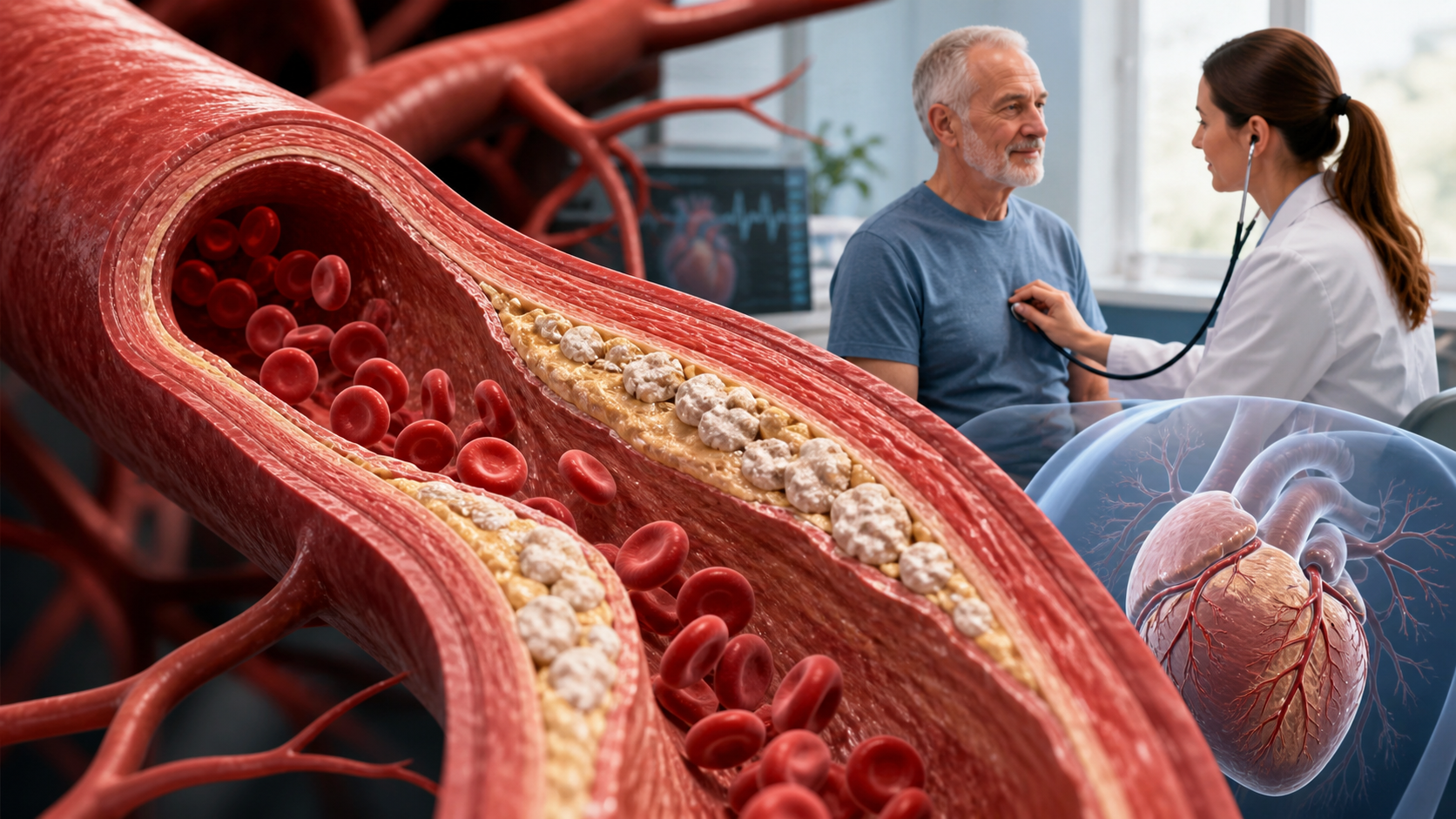
Arterial Calcification and Vascular Aging: Reading the Risk Signals
Arterial calcification can reveal accumulated vascular risk. Learn what calcium scores mean, why calcification develops, and where testing has limits.
10 min read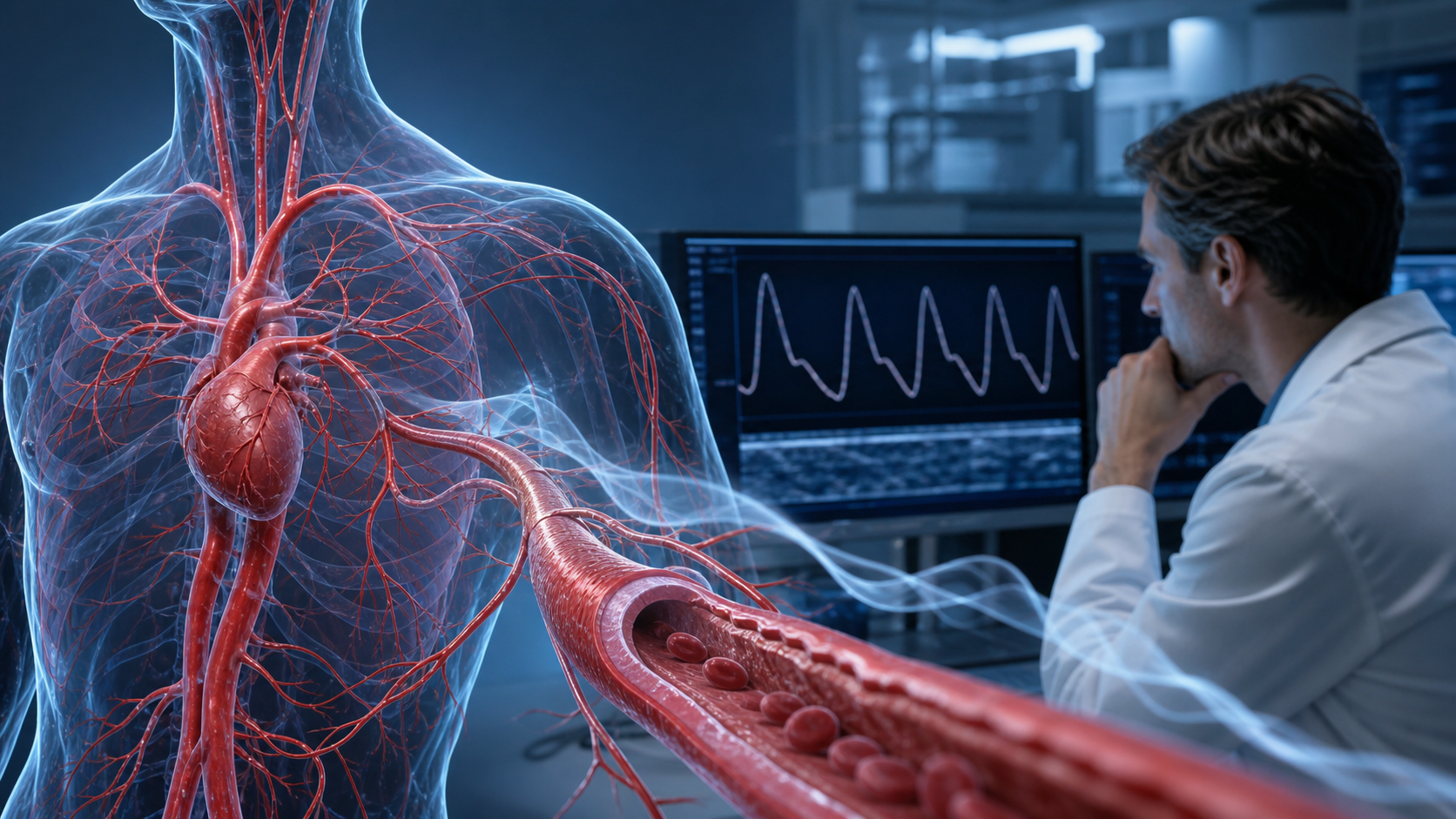
Arterial Stiffness and Vascular Age: A Longevity Evidence Guide
Understand arterial stiffness vascular age longevity links, key studies, measurement limits, and evidence-based lifestyle implications for healthy aging.
11 min read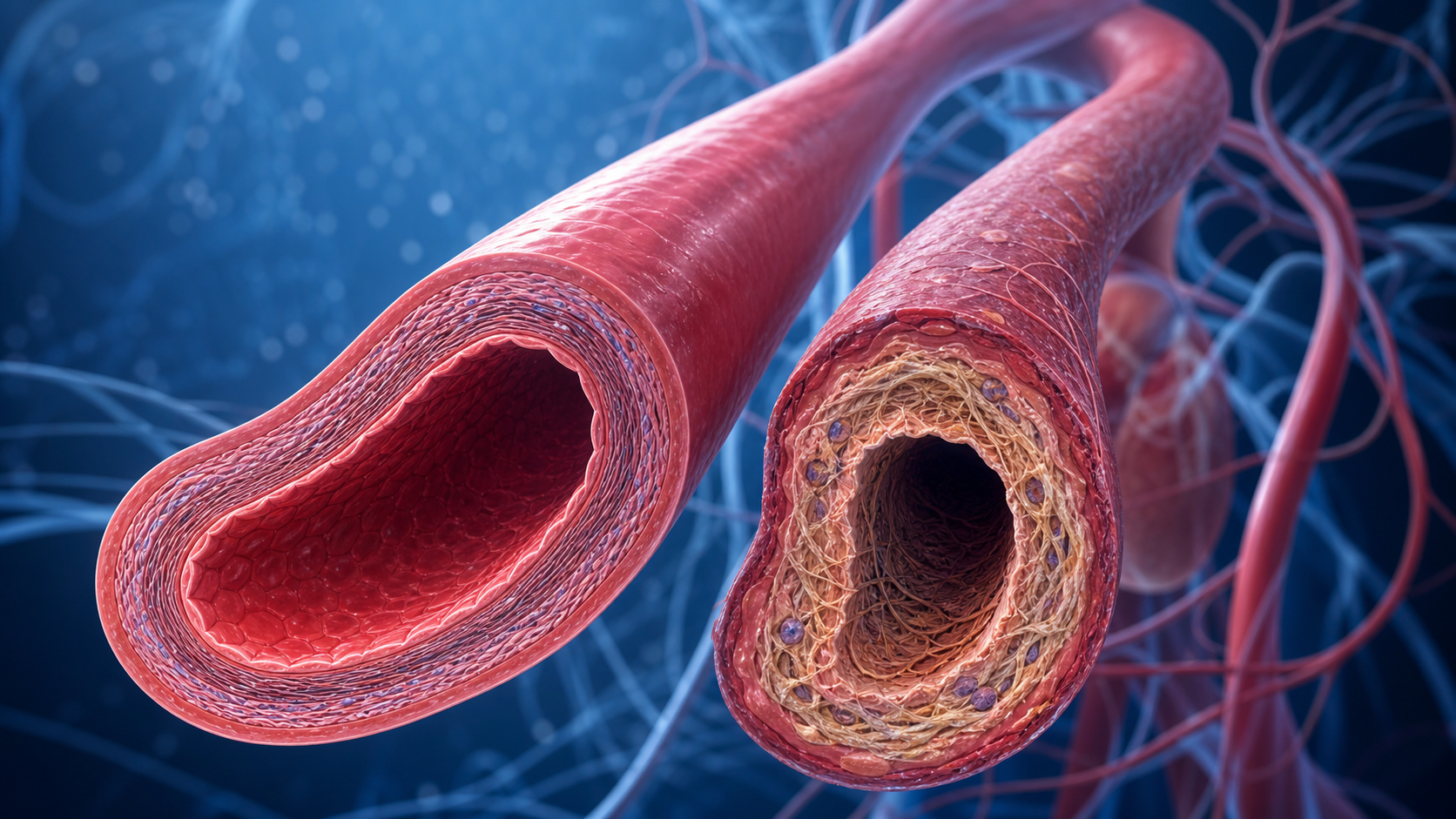
Arterial Stiffness and Vascular Aging: What the Evidence Shows
Explore arterial stiffness vascular aging, how vessels change over time, what pulse wave velocity studies show, and practical ways evidence may inform prevention.
10 min read