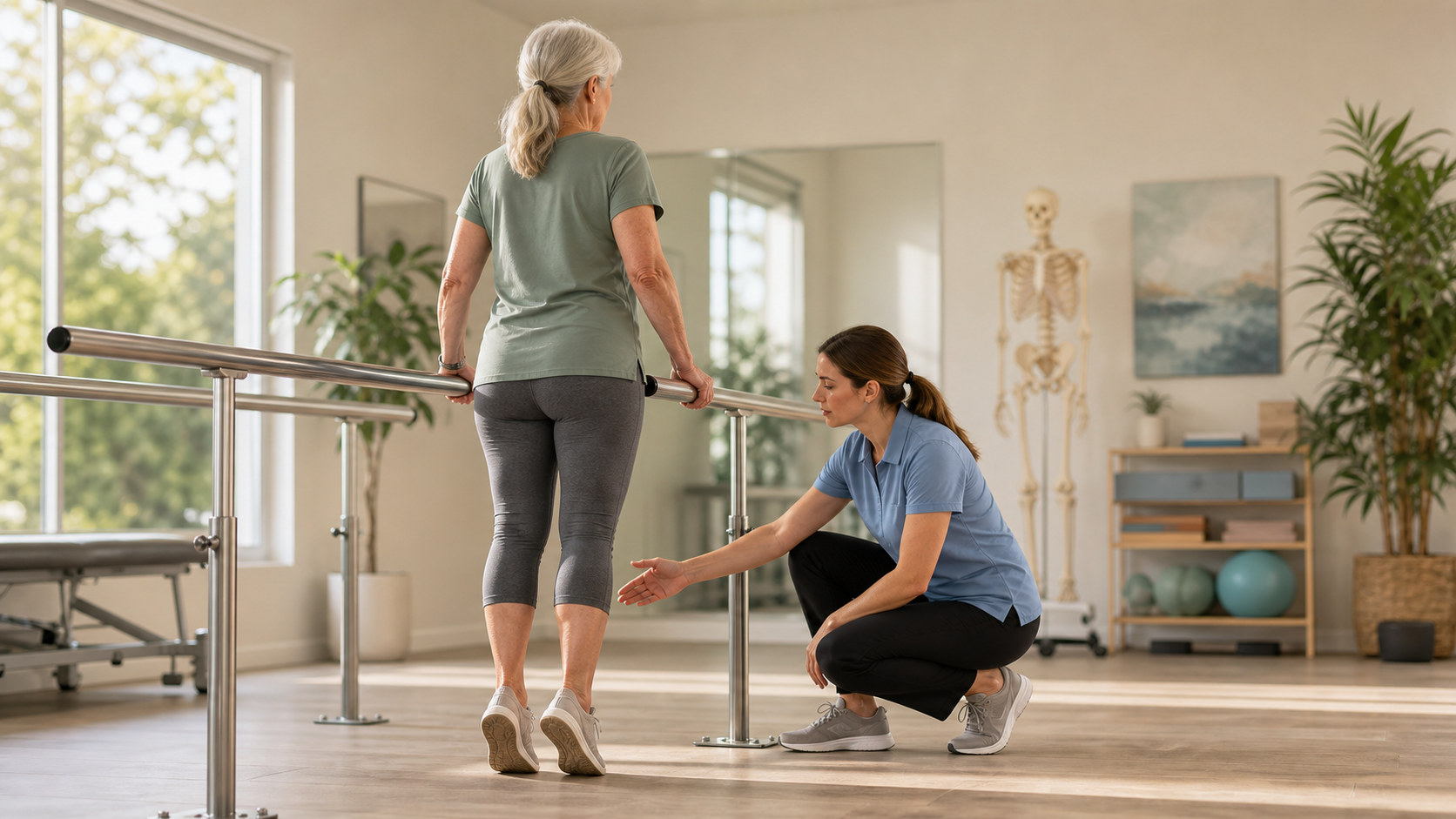
Foot and Ankle Strength in Healthy Aging: The Foundation of Mobility
Foot and ankle strength supports balance, walking, and recovery from a misstep. Explore the aging evidence, useful measures, and practical limits.
Table of Contents
DISCLAIMER
This article is for informational purposes only and does not constitute medical advice. The statements in this article have not been evaluated by the FDA. The information presented is based on published research and should not be used as a substitute for professional medical guidance. Consult your physician before starting any supplement or health protocol.
Foot and ankle strength in mobility aging rarely receives the attention given to hips, knees, or muscle mass. Yet every step finishes through a small base of support. The foot adapts to the surface, the ankle controls the body’s center of mass, and the calf produces much of the push that moves the body forward.
When this system loses capacity, walking may become shorter, slower, and less confident. That does not mean one weak muscle explains falls. Vision, sensation, medications, cognition, blood pressure, environment, and whole-body strength all matter. The foot and ankle are one highly trainable link in a larger chain.
Why the Foot-Ankle System Matters
Standing balance is an active process. For small disturbances, the nervous system often uses an ankle strategy: lower-leg muscles make rapid adjustments to keep the body over the feet. Larger disturbances require hip motion or a step.
During walking, dorsiflexor muscles help lift the front of the foot during swing, while plantar-flexor muscles—especially the calf complex—control forward movement and provide push-off. Intrinsic foot muscles help shape the arch and stabilize the toes against the ground.
Age-related changes can affect each layer. Muscle strength and power may decline; tendons may change mechanically; joint range can narrow; sensation may become less precise; and motor responses may slow. Footwear, pain, arthritis, diabetes-related neuropathy, and previous injury can further alter the system.
Strength is not the same as control
A strong calf does not guarantee good balance. The nervous system must select the right response at the right time, using information from vision, the vestibular system, and receptors in muscles, joints, and skin. This is why task-specific balance and stepping practice often accompanies resistance exercise.
Power also matters. Recovering from a trip requires force quickly, not only a large force produced slowly. An older adult may retain reasonable maximum strength but have less rate of force development and less time to use it during a misstep.
What Research Says About Falls and Function
Falls-prevention evidence supports multicomponent exercise that challenges balance and includes functional and resistance work. A major Cochrane review found that exercise reduces falls among community-dwelling older adults, with balance and functional exercise playing an important role. These programs train more than the ankle, but they demonstrate that neuromuscular capacity is modifiable.
World falls-prevention guidelines recommend individualized assessment because risk is multifactorial. A person with repeated falls may need review of gait, balance, strength, vision, medications, cardiovascular symptoms, footwear, and home hazards. The right response is broader than prescribing a generic foot routine.
Studies of the foot and ankle commonly find relationships between strength, toe function, postural control, gait performance, and fall history. Many are observational or relatively small, so they cannot prove that a single measurement predicts an individual’s future. The consistent signal is that distal function should not be ignored.
Measuring the Foundation
Simple clinical observations may include repeated heel raises, controlled toe lifts, tandem stance, gait speed, sit-to-stand performance, or step-recovery tasks. Each measures a different capacity.
A heel-raise count reflects calf endurance, balance, range, technique, and body mass—not pure strength. Standing on one leg tests sensory integration and control as well as the foot. Handheld dynamometry and force platforms can be more specific, but they are not necessary for every person.
The best measure depends on the question. If daily difficulty is climbing stairs, catching the toes, walking on uneven ground, or rising onto the forefoot, the assessment should include that task and the possible reasons behind it.
Practical Implications
A balanced program may include progressive calf raises, controlled dorsiflexion, toe and arch exercises, single-leg loading with support, multidirectional stepping, and walking on appropriately varied surfaces. Progression can come from more range, load, speed, reduced hand support, or added task complexity.
Safety changes the plan. Someone with neuropathy, a recent fracture, severe arthritis, vascular disease, dizziness, or unexplained weakness needs individualized guidance. Stable support and a clear area are sensible when balance is challenged.
Footwear also affects performance. A shoe can alter sensory feedback, toe room, traction, and leverage. No universal shoe is best for every foot or task, but poorly fitting footwear can undermine otherwise good capacity.
Finally, distal strength should connect to the rest of the body. Hip strength, trunk control, reaction time, aerobic capacity, and confidence all shape mobility. Training the ankle while ignoring walking and whole-body movement leaves the foundation disconnected from the structure it supports.
The Bottom Line
The foot and ankle are not minor accessories to healthy aging. They help manage sway, clear the ground, absorb load, generate push-off, and recover from small errors. Preserving their strength and control may support mobility, but the strongest evidence favors integrated programs and individualized assessment rather than a single exercise or score.
Frequently Asked Questions
Why does ankle strength matter with age?
Are heel raises a complete balance program?
Can foot pain be trained through?
Sources
Stay Updated on Longevity Science
Weekly research digests. No spam, unsubscribe anytime.
Related Articles
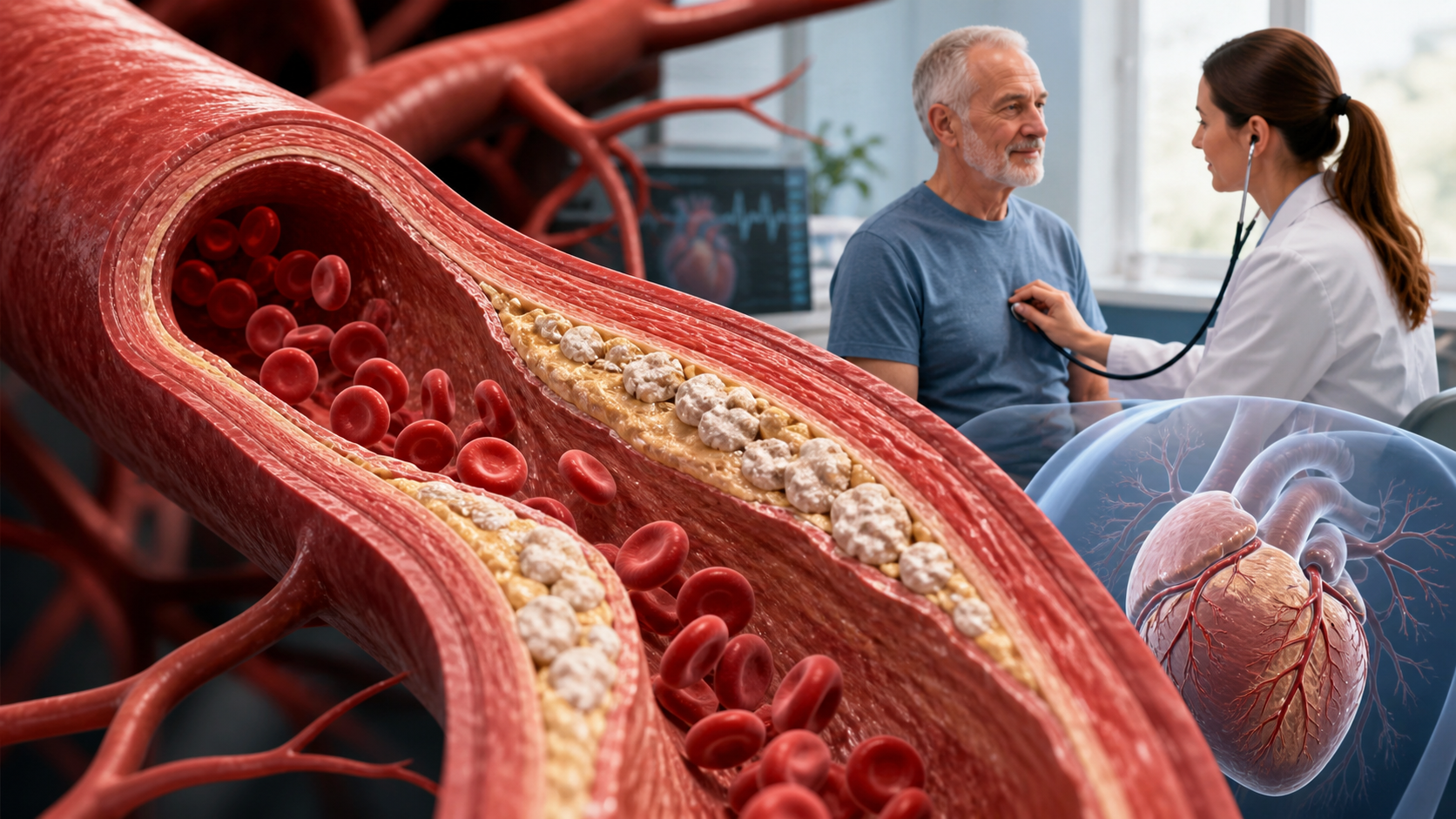
Arterial Calcification and Vascular Aging: Reading the Risk Signals
Arterial calcification can reveal accumulated vascular risk. Learn what calcium scores mean, why calcification develops, and where testing has limits.
10 min read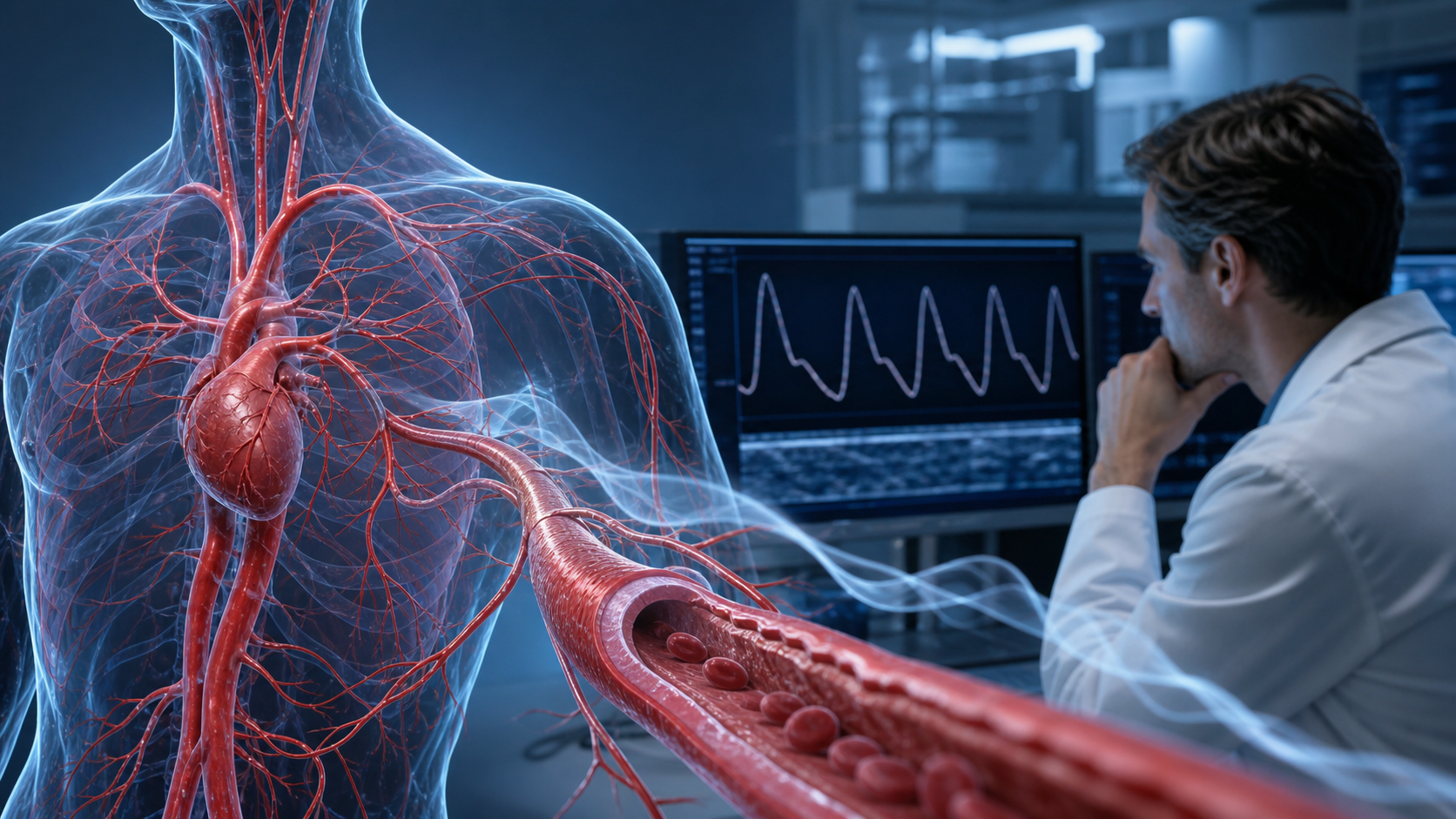
Arterial Stiffness and Vascular Age: A Longevity Evidence Guide
Understand arterial stiffness vascular age longevity links, key studies, measurement limits, and evidence-based lifestyle implications for healthy aging.
11 min read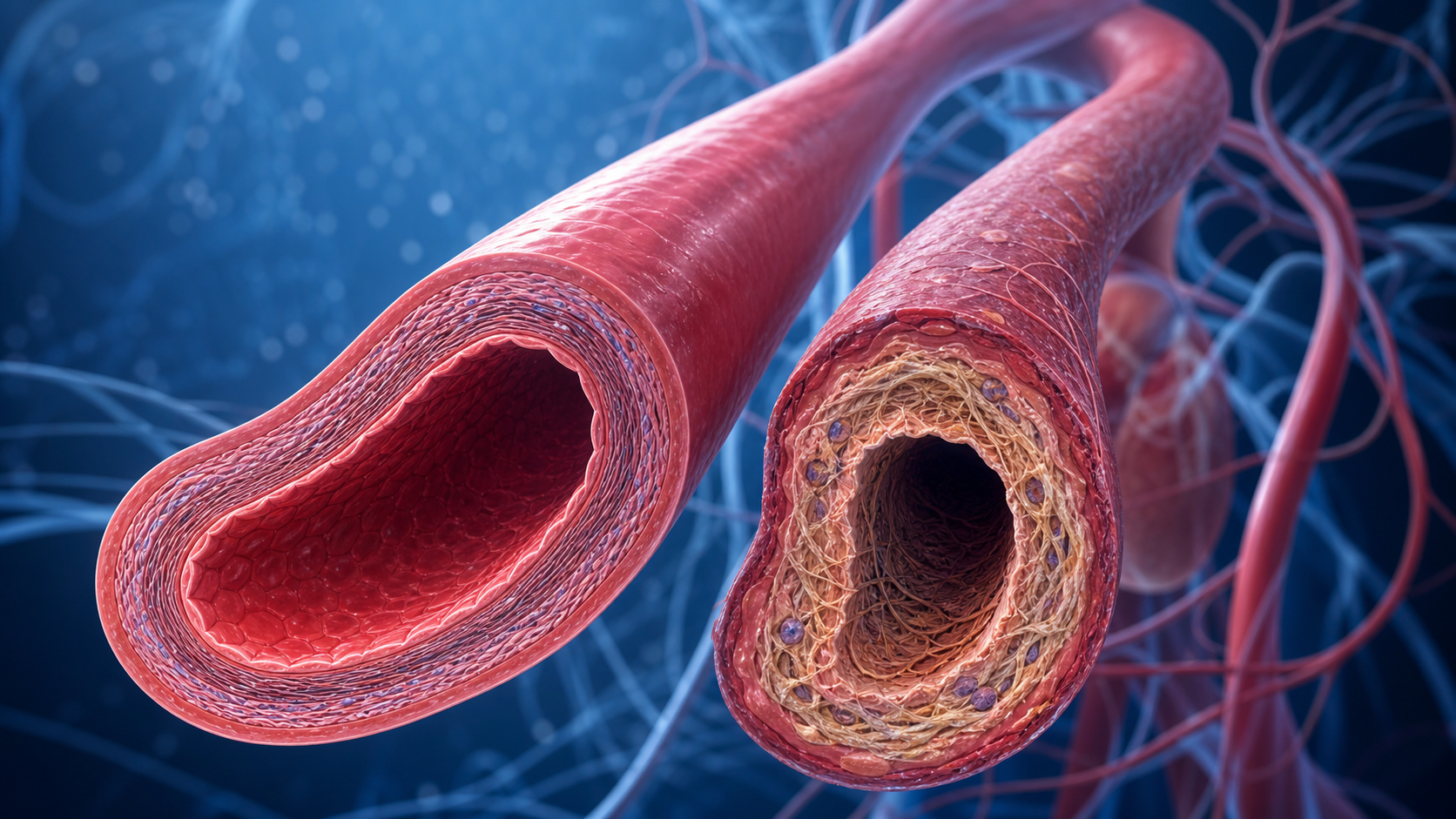
Arterial Stiffness and Vascular Aging: What the Evidence Shows
Explore arterial stiffness vascular aging, how vessels change over time, what pulse wave velocity studies show, and practical ways evidence may inform prevention.
10 min read