Skin Barrier Lipids and Aging: Why Moisture Loss Is More Than Dryness
Learn how ceramides, cholesterol, and fatty acids support the skin barrier, what changes with age, and which everyday measures have credible evidence.
Table of Contents
DISCLAIMER
This article is for informational purposes only and does not constitute medical advice. The statements in this article have not been evaluated by the FDA. The information presented is based on published research and should not be used as a substitute for professional medical guidance. Consult your physician before starting any supplement or health protocol.
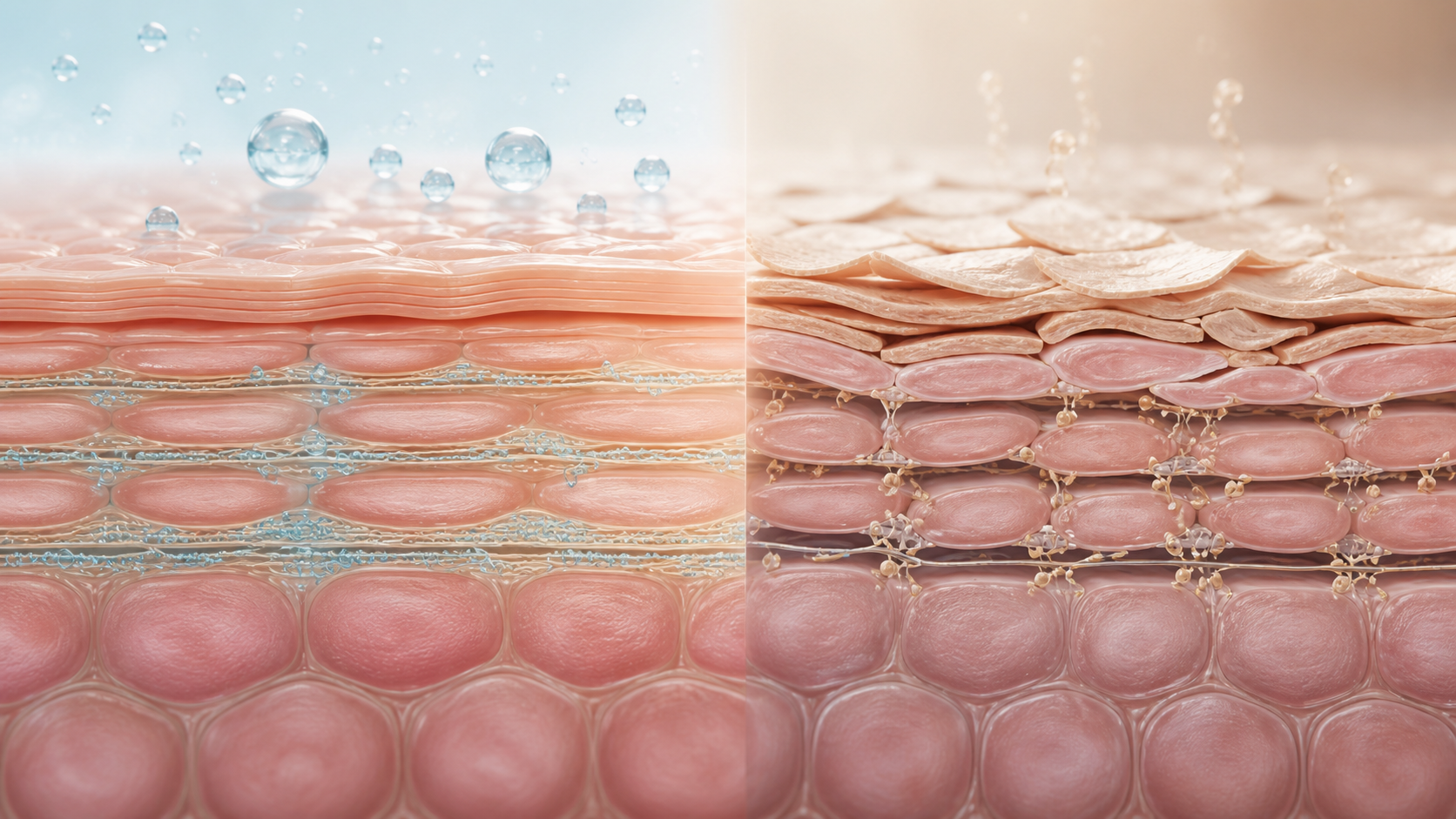
The outer surface of skin looks simple, but it behaves like a carefully engineered wall. Flattened cells form the bricks, while a mixture of ceramides, cholesterol, and free fatty acids forms much of the mortar. Together they slow water loss and reduce the entry of irritants, allergens, and microbes.
Age can alter this barrier through slower lipid processing, changes in cell turnover, lower sebum production, cumulative ultraviolet exposure, and chronic disease. The result may be roughness, itch, sensitivity, or slower recovery after washing. That does not mean everyone develops the same “old skin,” and it does not make every expensive barrier product necessary.
How Lipids Hold the Barrier Together
The stratum corneum is the outermost layer of the epidermis. Its cells are surrounded by stacked lipid sheets. Ceramides are a diverse family rather than one ingredient, and their molecular structure helps determine how tightly those sheets pack. Cholesterol and fatty acids contribute flexibility, organization, and the acidic environment of the surface.
When the mixture is disrupted, transepidermal water loss can rise. Skin may feel tight even when a person drinks adequate water because the problem is local evaporation, not necessarily whole-body dehydration. Barrier disruption can also make nerve endings and immune cells more responsive to products that were previously tolerated.
Healthy skin continuously replaces these components. Enzymes process lipid precursors, cells mature as they move outward, and natural moisturizing factors bind water within corneocytes. Temperature, humidity, cleansing, inflammation, and genetics all influence the process.
What Changes With Age
Older skin often recovers more slowly after tape stripping, harsh detergent exposure, or very dry weather. Studies report changes in epidermal thickness, lipid synthesis, pH, immune signaling, and the organization of the stratum corneum. Findings vary by body site, sex, ethnicity, sun exposure, and health.
Sebum commonly declines, especially after hormonal transitions. Hot water and strong surfactants can then remove a larger share of the surface lipids that remain. Diabetes, kidney disease, thyroid disorders, eczema, and some medicines can worsen dryness or itch, so symptoms should not automatically be blamed on normal aging.
Ultraviolet radiation adds a different form of damage. It affects collagen and elastin deeper in the skin and can also impair epidermal function. A moisturizer may make photoaged skin feel better without undoing mutations or rebuilding the entire dermis.
What Helps the Barrier in Everyday Life
Use warm rather than very hot water, shorten long showers, and choose a mild fragrance-free cleanser for areas that need it. Applying moisturizer soon after bathing traps some of the remaining water. Ointments are most occlusive, creams offer a practical middle ground, and lotions feel lighter but may be less protective in a dry climate.
Products containing ceramides can supply barrier-compatible lipids, while petrolatum reduces evaporation through occlusion. Glycerin and urea attract and retain water; stronger urea products may sting on fissured skin. The best formulation is one that a person can use consistently without irritation.
Sun-protective clothing, shade, and broad-spectrum sunscreen reduce additional ultraviolet injury. Humidification can help in very dry indoor air. Drinking extreme amounts of water is unlikely to repair a lipid deficit and can be unsafe.
When Dryness Needs More Than Moisturizer
Seek medical advice for widespread or persistent itch, bleeding cracks, signs of infection, a new rash, sleep-disrupting symptoms, or sudden change. These can reflect inflammatory skin disease, medication effects, systemic illness, or a contact allergy.
The skin barrier is dynamic and often improvable, but improvement is not the same as biological age reversal. A quiet routine—gentle cleansing, prompt moisturization, and ultraviolet protection—usually offers more value than repeatedly stripping the skin with aggressive “renewal” products.
Frequently Asked Questions
What lipids make up the skin barrier?
Does dry skin prove the barrier is damaged?
Can a moisturizer reverse skin aging?
Sources
Stay Updated on Longevity Science
Weekly research digests. No spam, unsubscribe anytime.
Related Articles
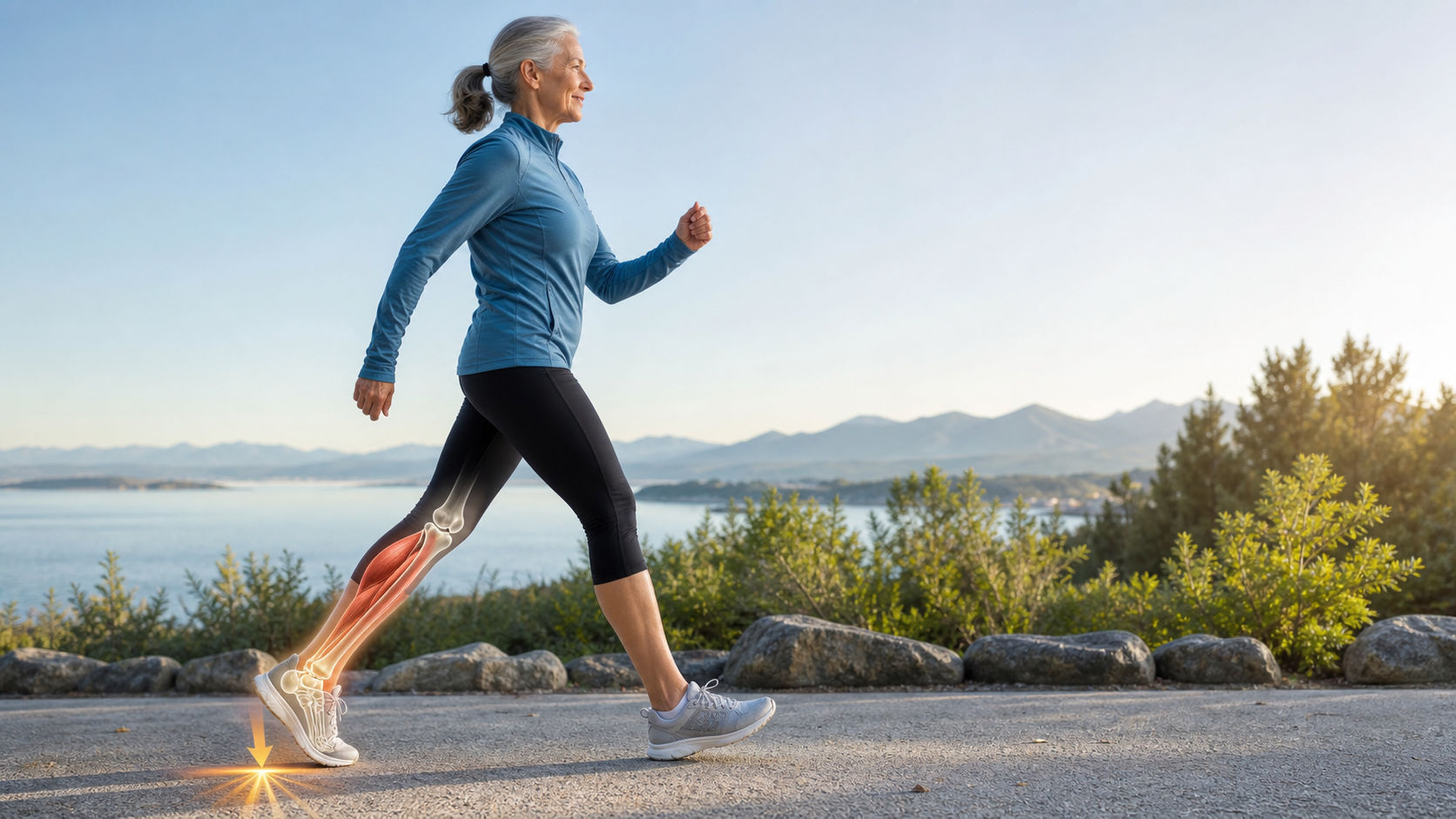
Ankle Power and Healthy Aging: The Push-Off That Keeps Walking Efficient
Ankle plantar-flexor power supports walking speed and balance recovery. Learn why push-off changes with age and how strength can be trained safely.
9 min read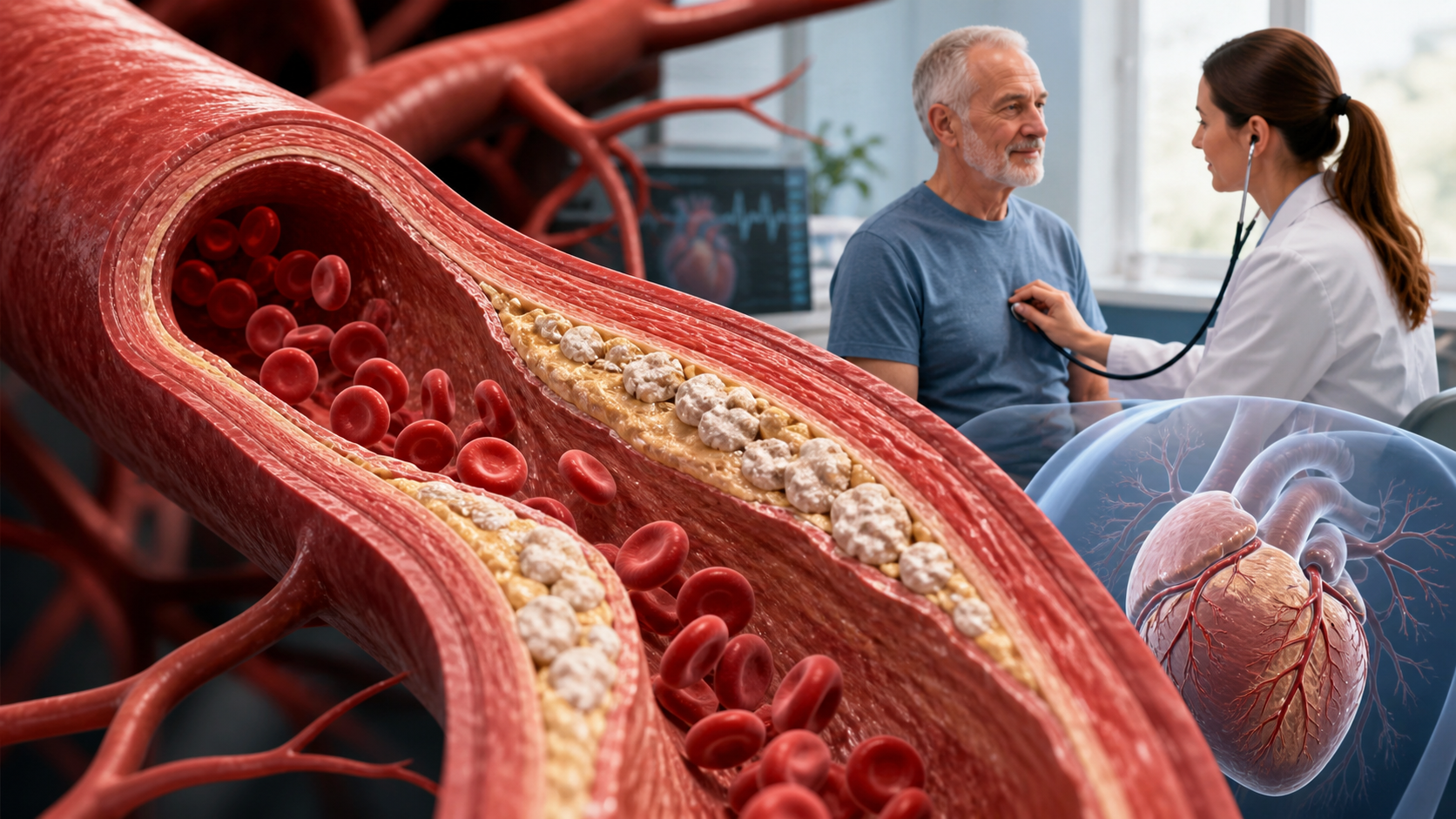
Arterial Calcification and Vascular Aging: Reading the Risk Signals
Arterial calcification can reveal accumulated vascular risk. Learn what calcium scores mean, why calcification develops, and where testing has limits.
10 min read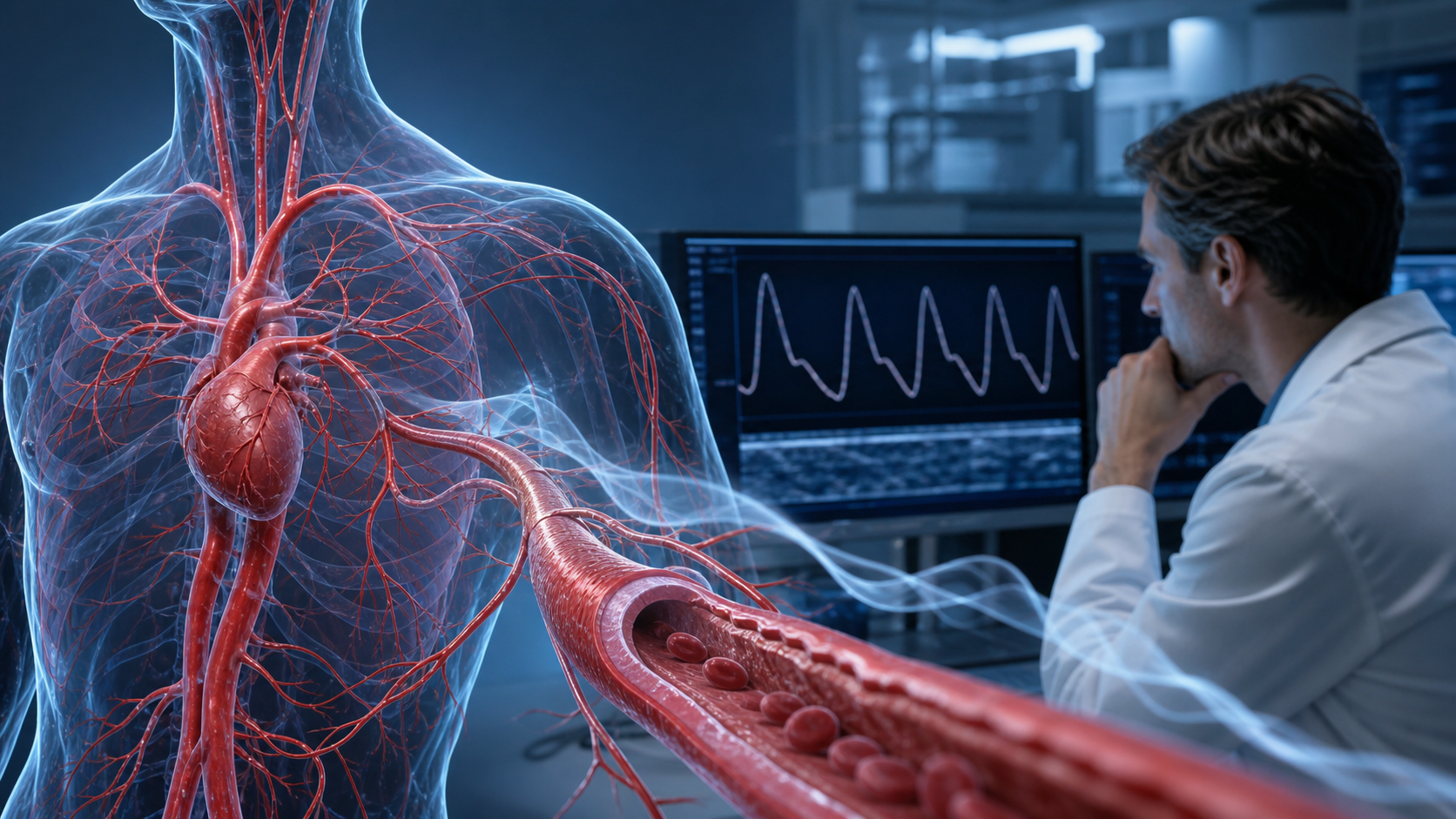
Arterial Stiffness and Vascular Age: A Longevity Evidence Guide
Understand arterial stiffness vascular age longevity links, key studies, measurement limits, and evidence-based lifestyle implications for healthy aging.
11 min read