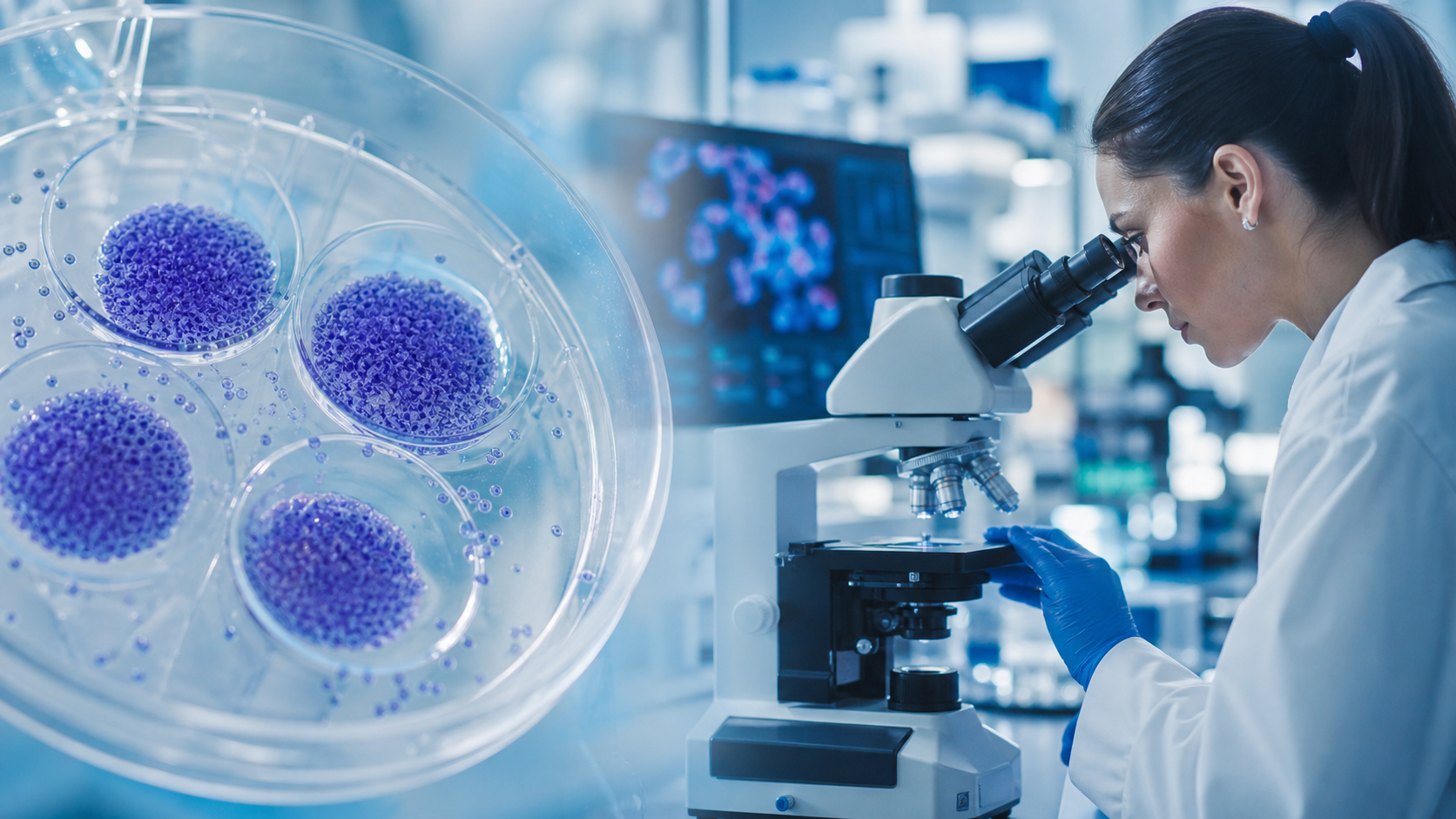
Stem Cell Therapy for Age Reversal: Current Evidence and Future Promise
Explore how stem cell therapy may help reverse biological aging. Review the latest clinical trials, mechanisms, and safety considerations.
Table of Contents
DISCLAIMER
This article is for informational purposes only and does not constitute medical advice. The statements in this article have not been evaluated by the FDA. The information presented is based on published research and should not be used as a substitute for professional medical guidance. Consult your physician before starting any supplement or health protocol.
As we age, the body’s ability to repair and regenerate itself diminishes significantly. One of the most compelling frontiers in longevity research involves harnessing the power of stem cells to potentially reverse aspects of biological aging. Stem cell therapy, once confined to treating blood cancers and a handful of genetic disorders, has expanded into a rapidly growing field of investigation for age-related decline.
The premise is straightforward yet profound: by replenishing the body’s dwindling reservoir of functional stem cells, researchers hope to restore tissue repair capacity, reduce chronic inflammation, and potentially turn back the biological clock. However, the reality is far more nuanced than the marketing hype suggests, and understanding both the promise and the limitations of this approach is essential for anyone interested in evidence-based longevity strategies.
Understanding Stem Cell Exhaustion in Aging
As organisms age, stem cell populations throughout the body experience a progressive decline in both number and function, a phenomenon recognized as one of the fundamental hallmarks of aging (Lopez-Otin et al., 2013; PMID: 23746838). This stem cell exhaustion manifests differently across tissues but shares common underlying mechanisms.
Hematopoietic stem cells in bone marrow become less effective at producing diverse immune cells, contributing to immunosenescence. Satellite cells in skeletal muscle lose their regenerative capacity, leading to sarcopenia. Neural stem cells in the brain decline, potentially contributing to cognitive deterioration. Mesenchymal stem cells (MSCs), which support tissue repair throughout the body, become fewer and less functional with advancing age.
The causes of stem cell exhaustion are multifactorial. Accumulated DNA damage, epigenetic drift, telomere shortening, mitochondrial dysfunction, and changes in the stem cell niche environment all conspire to reduce stem cell potency. Additionally, the buildup of senescent cells in tissues creates a hostile microenvironment that may further impair stem cell function through secretion of inflammatory factors known as the senescence-associated secretory phenotype (SASP).
Types of Stem Cell Therapies Under Investigation
Several distinct approaches to stem cell therapy for aging are currently under investigation, each with different mechanisms and levels of clinical evidence.
Mesenchymal Stem Cell (MSC) Therapy
MSCs represent the most extensively studied stem cell type for age-related conditions. These multipotent cells can be isolated from bone marrow, adipose tissue, umbilical cord blood, and other sources. Their therapeutic potential appears to stem less from their ability to differentiate into new tissue cells and more from their paracrine effects, meaning the beneficial molecules they secrete.
MSCs release a complex cocktail of anti-inflammatory cytokines, growth factors, and extracellular vesicles that may help modulate the immune system, reduce chronic inflammation, promote tissue repair, and potentially rejuvenate aging cells in surrounding tissues. A landmark phase I/II clinical trial conducted at the University of Miami demonstrated that intravenous infusion of allogeneic MSCs in elderly frail patients was associated with improvements in physical performance, inflammatory biomarkers, and quality of life measures (Tompkins et al., 2017; PMID: 28973098).
Hematopoietic Stem Cell Rejuvenation
Rather than transplanting new stem cells, some researchers are exploring ways to rejuvenate existing hematopoietic stem cells in situ. Approaches include pharmacological interventions that may restore youthful gene expression patterns in aged stem cells, dietary interventions such as prolonged fasting cycles that appear to promote stem cell regeneration, and targeted elimination of senescent cells from the bone marrow niche.
Induced Pluripotent Stem Cells (iPSCs)
iPSC technology, which involves reprogramming adult cells back to a pluripotent state using Yamanaka factors, offers the theoretical possibility of generating patient-specific stem cells for personalized therapy. While still largely preclinical for aging applications, iPSC-derived cell therapies are being explored for age-related macular degeneration, Parkinson’s disease, and heart failure. The challenge remains ensuring safety, particularly regarding the risk of tumor formation from incompletely differentiated cells.
Clinical Evidence: What Do the Trials Show?
The clinical evidence for stem cell therapy in aging remains in its early stages, but several trials have produced encouraging preliminary results.
The CRATUS trial (Cardiac Stem Cells in Patients with Ischemic Cardiomyopathy) and related studies at the Interdisciplinary Stem Cell Institute at the University of Miami have been particularly informative. In studies of aging frailty, researchers found that a single intravenous infusion of allogeneic MSCs appeared to improve measures of physical function, including the six-minute walk test, and reduce circulating levels of tumor necrosis factor-alpha (TNF-alpha), a key inflammatory marker (Golpanian et al., 2017; PMID: 28258682).
However, it is important to note several limitations of the current evidence. Most trials have been small, with limited follow-up periods. Placebo effects in stem cell trials can be substantial. The optimal cell type, dose, route of administration, and treatment frequency remain poorly defined. And long-term safety data, particularly regarding cancer risk, are still being gathered.
Mechanisms of Action: How Might Stem Cells Combat Aging?
The anti-aging effects of stem cell therapy appear to operate through several interconnected mechanisms rather than simple cell replacement.
Immunomodulation and Anti-Inflammation: MSCs may help recalibrate the aged immune system, reducing the chronic low-grade inflammation known as inflammaging that drives many age-related pathologies. They secrete anti-inflammatory molecules such as IL-10 and prostaglandin E2 while suppressing pro-inflammatory pathways.
Paracrine Signaling: Stem cells release extracellular vesicles, including exosomes, loaded with proteins, lipids, and microRNAs that may reprogram nearby aged cells toward more youthful functional states. Some researchers believe these paracrine factors, rather than the stem cells themselves, may be primarily responsible for observed therapeutic effects.
Tissue Repair Support: By secreting growth factors such as vascular endothelial growth factor (VEGF) and hepatocyte growth factor (HGF), stem cells may promote angiogenesis and tissue repair in aging organs.
Senescent Cell Modulation: Emerging evidence suggests that MSCs may help clear or modulate senescent cells, potentially reducing the burden of the SASP on surrounding healthy tissues.
Safety Considerations and Risks
While stem cell therapy holds considerable promise, significant safety concerns must be addressed before widespread clinical adoption for aging.
Tumor Risk: Any cell therapy carries a theoretical risk of uncontrolled cell growth. While MSCs appear to have a relatively low tumorigenic risk, long-term surveillance data are limited. iPSC-derived therapies carry a higher concern due to the reprogramming process.
Immune Reactions: Even allogeneic MSCs, which are generally considered immune-privileged, can trigger immune responses in some recipients. Repeated infusions may increase this risk.
Unregulated Clinics: The stem cell tourism industry has proliferated globally, with many clinics offering unproven and potentially dangerous therapies. The FDA has taken enforcement action against several such clinics in the United States. Patients should be cautious of clinics making bold anti-aging claims without rigorous clinical trial evidence.
Inconsistent Manufacturing: Stem cell products can vary significantly in quality, potency, and viability depending on the source, processing methods, and storage conditions. Standardization remains a major challenge for the field.
The Future of Stem Cell Therapy for Aging
Several promising developments suggest that stem cell-based approaches to aging may become more refined and effective in the coming years.
Exosome-based therapies, which use the therapeutic vesicles secreted by stem cells rather than the cells themselves, may offer a safer and more standardized approach. These cell-free therapies could potentially be manufactured at scale and stored more easily than living cells.
Advances in gene editing, particularly CRISPR-based technologies, may allow researchers to engineer stem cells with enhanced regenerative properties or reduced senescence susceptibility before transplantation.
Combination approaches that pair stem cell therapy with senolytics, NAD+ precursors, or other longevity interventions may prove more effective than any single strategy alone.
Additionally, improved understanding of the stem cell niche, the microenvironment that supports stem cell function, may lead to interventions that rejuvenate existing stem cells in situ rather than requiring exogenous cell transplantation.
Practical Considerations: What Should You Know?
For individuals interested in stem cell therapy for aging, several practical considerations merit attention.
Currently, no stem cell therapy is FDA-approved specifically for anti-aging purposes. Legitimate clinical trials can be found on ClinicalTrials.gov, and participation in these trials represents the most responsible way to access experimental stem cell therapies.
Lifestyle factors that may support endogenous stem cell health include regular exercise, which has been shown to promote stem cell mobilization and function; adequate sleep, which supports stem cell regeneration cycles; and dietary patterns such as periodic fasting, which may trigger stem cell renewal through autophagy activation.
Frequently Asked Questions
Is stem cell therapy currently approved for anti-aging treatment? No. As of 2026, no stem cell therapy has received FDA approval specifically for anti-aging or age reversal purposes. Several clinical trials are underway, but the field remains investigational. Consumers should be wary of clinics marketing unapproved stem cell treatments for aging.
What types of stem cells show the most promise for aging research? Mesenchymal stem cells (MSCs) currently have the most clinical evidence supporting their potential use in age-related frailty. They appear to work primarily through paracrine signaling and immunomodulation rather than direct tissue replacement. iPSC-derived therapies also hold significant long-term promise but remain largely preclinical.
Are there natural ways to support stem cell health as you age? Research suggests that regular exercise, adequate sleep, periodic fasting or caloric restriction, and avoiding excessive alcohol and tobacco use may help maintain stem cell function. Some studies indicate that compounds like resveratrol and NAD+ precursors may support stem cell health, though more research is needed to confirm these effects in humans.
Sources
Stay Updated on Longevity Science
Weekly research digests. No spam, unsubscribe anytime.
Related Articles
Age Reversal Clinical Trials to Watch in 2026
A comprehensive guide to the most important age reversal clinical trials in 2026, from senolytics to epigenetic reprogramming and beyond.
14 min read
Age Reversal Supplements: What Does the Evidence Actually Say?
A critical review of supplements claiming to reverse biological aging, examining the scientific evidence behind NMN, resveratrol, spermidine, and more.
14 min read
Altos Labs Longevity Research: 2026 Progress Update
Altos Labs is one of the best-funded longevity startups. Here is what research suggests about their cellular rejuvenation progress in 2026.
10 min read