Mitochondrial Transplant Research: A New Frontier in Age Reversal
Learn about mitochondrial transplant research and how transferring healthy mitochondria into aged cells may help reverse cellular aging.
Table of Contents
DISCLAIMER
This article is for informational purposes only and does not constitute medical advice. The statements in this article have not been evaluated by the FDA. The information presented is based on published research and should not be used as a substitute for professional medical guidance. Consult your physician before starting any supplement or health protocol.
The Powerhouse Problem of Aging
Mitochondria, often called the powerhouses of the cell, generate the vast majority of cellular energy through oxidative phosphorylation. These remarkable organelles are essential for virtually every cellular process, from muscle contraction to brain function to immune defense. When mitochondria fail, cells fail — and when cells fail, we age.
Mitochondrial dysfunction is recognized as one of the twelve hallmarks of aging. As we grow older, our mitochondria become less efficient at producing energy, generate more harmful reactive oxygen species (ROS), and accumulate mutations in their own DNA. This progressive decline has been implicated in nearly every age-related condition, from sarcopenia to neurodegeneration.
A revolutionary idea has emerged in recent years: what if we could replace damaged mitochondria with healthy ones? Mitochondrial transplantation — the transfer of functional mitochondria into cells with impaired mitochondrial function — represents a bold new approach to addressing cellular aging at its energetic core.
How Mitochondrial Transplantation Works
The Basic Concept
Mitochondrial transplantation involves several key steps:
- Harvesting: Healthy mitochondria are isolated from donor cells or tissues, typically from the patient’s own healthy tissue (autologous transplant) or from compatible donor sources.
- Preparation: Isolated mitochondria are processed and suspended in a biocompatible solution that maintains their viability and function.
- Delivery: The prepared mitochondria are introduced into target cells or tissues through direct injection, vascular delivery, or other administration routes.
- Integration: Transplanted mitochondria are taken up by recipient cells and begin functioning alongside or replacing the existing damaged mitochondria.
Natural Mitochondrial Transfer
The concept of mitochondrial transplantation is inspired by a natural phenomenon. Cells naturally transfer mitochondria between each other through several mechanisms:
- Tunneling nanotubes: Thin membrane bridges that form between cells can transport mitochondria directly from one cell to another.
- Extracellular vesicles: Cells can package mitochondria into vesicles that travel through the extracellular space to be taken up by neighboring cells.
- Cell fusion: In some contexts, cells may fuse temporarily, allowing mitochondrial mixing.
Research published in 2020 demonstrated that this intercellular mitochondrial transfer serves as a natural rescue mechanism, allowing stressed cells to receive functional mitochondria from healthier neighbors. This discovery validated the concept that mitochondria can function effectively after being transferred between cells.
Research Progress and Key Studies
Cardiac Applications: The Pioneer Field
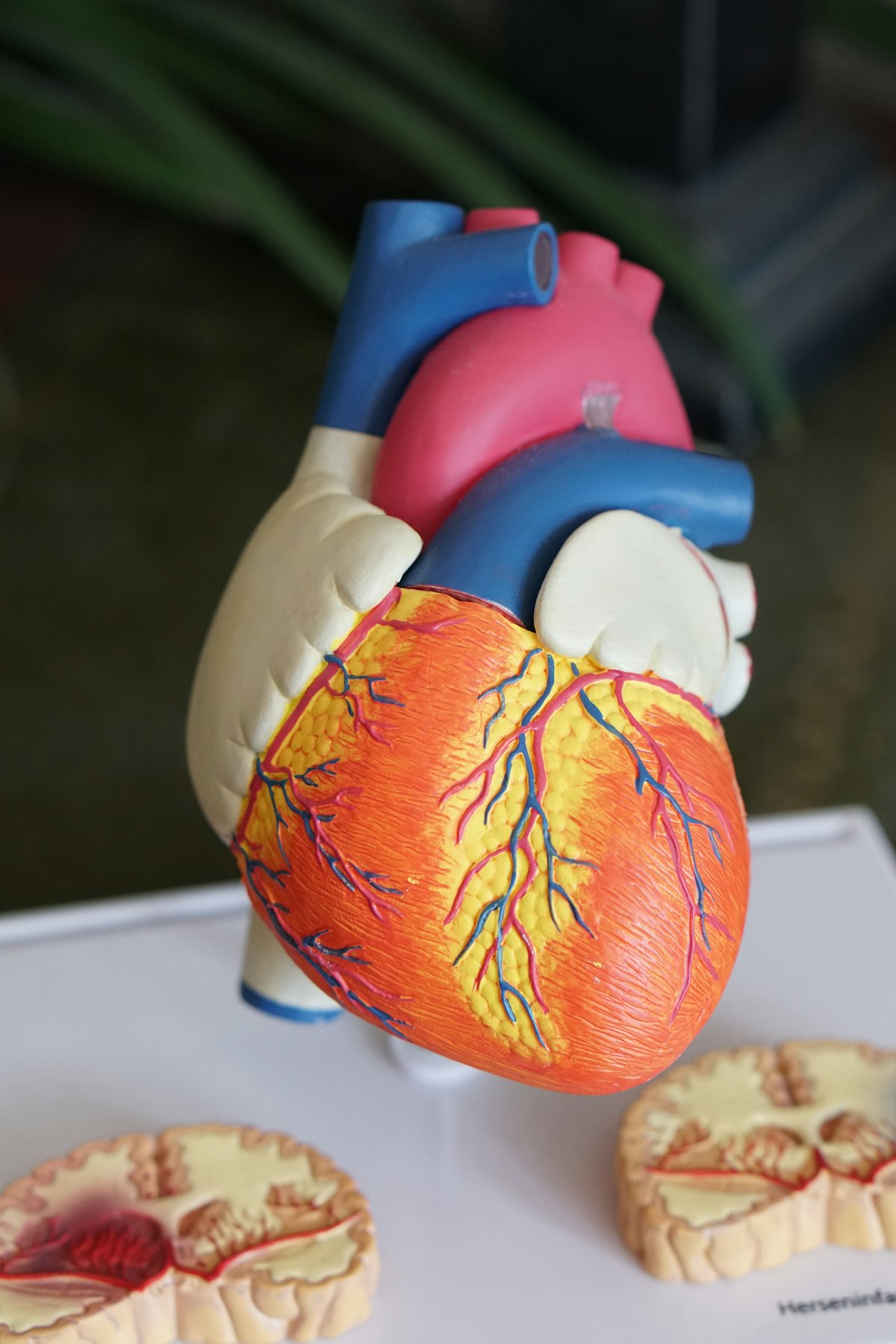
The most advanced clinical application of mitochondrial transplantation has been in pediatric cardiac surgery. Researchers at Boston Children’s Hospital pioneered the technique of injecting autologous mitochondria into damaged heart tissue during surgery for ischemia-reperfusion injury.
In these procedures, mitochondria are harvested from the patient’s own skeletal muscle, processed within approximately 30 minutes, and injected directly into the affected cardiac tissue. Published case series have reported improved cardiac function in pediatric patients who received mitochondrial transplantation, though controlled clinical trials are still needed.
Neurological Applications
The brain is particularly vulnerable to mitochondrial dysfunction due to its high energy demands. Several research groups are investigating mitochondrial transplantation for neurological conditions:
- Stroke: Animal studies have shown that intracerebral injection of healthy mitochondria following stroke may reduce infarct size and improve neurological outcomes.
- Neurodegenerative diseases: Preclinical research suggests that mitochondrial transplantation may help restore neuronal function in models of Parkinson’s and Alzheimer’s disease.
- Spinal cord injury: Mitochondrial transfer to injured spinal cord neurons has shown promise in promoting recovery in animal models.
Aging-Specific Research
While aging-specific applications are still in earlier stages, several studies have provided encouraging data:
- Rejuvenation of aged cells: In vitro studies have demonstrated that transferring mitochondria from young cells to old cells may restore energetic function and reduce markers of cellular senescence.
- Muscle function: Animal research suggests that mitochondrial transplantation into aged muscle tissue may improve contractile function and exercise capacity.
- Stem cell rejuvenation: Studies indicate that supplementing aged stem cells with young mitochondria may restore their regenerative capacity.
Delivery Methods Under Investigation
Direct Injection
The most straightforward delivery method involves directly injecting isolated mitochondria into target tissues. This approach has been used successfully in cardiac applications and is being explored for skeletal muscle and brain applications.
Advantages include precise targeting and high local concentrations. Limitations include invasiveness, limited tissue coverage, and the impracticality of injecting every affected tissue in whole-body aging.
Vascular Delivery
Researchers are exploring whether mitochondria can be delivered through the bloodstream to reach multiple tissues simultaneously. Studies have shown that intravenously administered mitochondria can be taken up by various organs including the brain, heart, liver, and kidneys.
However, challenges remain regarding the efficiency of uptake, potential immune responses, and ensuring that mitochondria remain viable during circulation.
Engineered Delivery Systems
Advanced delivery systems are being developed to improve mitochondrial transplantation efficiency:
- Nanoparticle encapsulation: Coating mitochondria with biocompatible nanoparticles may protect them during delivery and enhance cellular uptake.
- Targeted peptides: Attaching tissue-specific targeting peptides to mitochondria could direct them to particular organs or cell types.
- Hydrogel carriers: Biodegradable hydrogels may provide sustained release of mitochondria at target sites.
The Aging Application: Potential and Challenges
Why Mitochondrial Transplant May Help With Aging
The rationale for using mitochondrial transplantation to address aging is compelling:
- Restoring energy production: Aged cells with dysfunctional mitochondria may regain their ability to produce adequate ATP, supporting all cellular processes.
- Reducing oxidative damage: Healthy transplanted mitochondria may produce fewer reactive oxygen species, reducing the oxidative damage that drives aging.
- Improving cellular signaling: Mitochondria play crucial roles in calcium signaling, apoptosis, and other cellular processes that become dysregulated with age.
- Supporting stem cell function: Rejuvenating the mitochondria in stem cell populations may help maintain tissue regeneration capacity.
Technical Challenges
Several significant challenges must be addressed before mitochondrial transplantation can be applied to aging:
Scalability: Aging affects virtually every cell in the body. Delivering functional mitochondria to trillions of cells is an enormous logistical challenge that current technology cannot address.
Durability: Transplanted mitochondria face the same environment that damaged the original mitochondria. Without addressing the underlying causes of mitochondrial damage, transplanted mitochondria may themselves become dysfunctional over time.
Source material: Obtaining sufficient quantities of healthy, functional mitochondria for transplantation is nontrivial. Autologous sources may be limited in elderly patients whose own tissues contain aged mitochondria.
Immune considerations: While autologous mitochondrial transplantation avoids rejection, allogeneic (donor) mitochondria may trigger immune responses, particularly given that mitochondria contain their own DNA and molecular patterns that can activate innate immunity.
Emerging Technologies Supporting the Field
Artificial Mitochondria
Some researchers are exploring the development of synthetic or semi-synthetic organelles that could perform mitochondrial functions. While still largely theoretical, artificial mitochondria could potentially overcome sourcing limitations and be engineered for enhanced function and durability.
Mitochondrial DNA Editing
Rather than replacing entire mitochondria, an alternative approach involves correcting mutations in mitochondrial DNA within existing mitochondria. Advances in base editing and other gene editing technologies are making this increasingly feasible. A mitochondrial base editor capable of correcting point mutations in mitochondrial DNA was reported, opening new possibilities for treating mitochondrial dysfunction.
Enhanced Natural Transfer
Another approach focuses on enhancing the body’s natural mitochondrial transfer mechanisms. By stimulating the formation of tunneling nanotubes or increasing extracellular vesicle production, it may be possible to boost intercellular mitochondrial sharing without the need for external transplantation.
The Bigger Picture
Mitochondrial transplantation is part of a broader shift in aging research from treating symptoms to addressing fundamental mechanisms. By targeting one of the primary hallmarks of aging, this approach has the potential to impact multiple age-related conditions simultaneously.
Research suggests that mitochondrial transplantation may be most effective when combined with other interventions that support mitochondrial health, such as NAD+ boosting, exercise, caloric restriction, and compounds that promote mitochondrial biogenesis.
The Bottom Line
Mitochondrial transplant research represents a fascinating and rapidly evolving frontier in longevity science. The concept of replacing damaged cellular power plants with healthy ones is intuitive and supported by growing preclinical evidence. Clinical applications in cardiac surgery have demonstrated feasibility, and research into aging-specific applications is accelerating.
However, translating this technology to a practical anti-aging therapy faces substantial technical, biological, and regulatory challenges. The scalability problem alone — delivering healthy mitochondria to the vast number of cells affected by aging — requires innovative solutions that are still in development.
For those interested in supporting their mitochondrial health today, research suggests that regular exercise, adequate sleep, a nutrient-rich diet, and potentially certain supplements may help maintain mitochondrial function. As always, consult your healthcare provider before making health decisions based on emerging research.
Frequently Asked Questions
What is mitochondrial transplantation?
Has mitochondrial transplant been tested in humans?
Could mitochondrial transplant reverse aging?
Sources
Stay Updated on Longevity Science
Weekly research digests. No spam, unsubscribe anytime.
Related Articles

Age Reversal Clinical Trials to Watch in 2026
A comprehensive guide to the most important age reversal clinical trials in 2026, from senolytics to epigenetic reprogramming and beyond.
14 min read
Age Reversal Supplements: What Does the Evidence Actually Say?
A critical review of supplements claiming to reverse biological aging, examining the scientific evidence behind NMN, resveratrol, spermidine, and more.
14 min read
Altos Labs Longevity Research: 2026 Progress Update
Altos Labs is one of the best-funded longevity startups. Here is what research suggests about their cellular rejuvenation progress in 2026.
10 min read