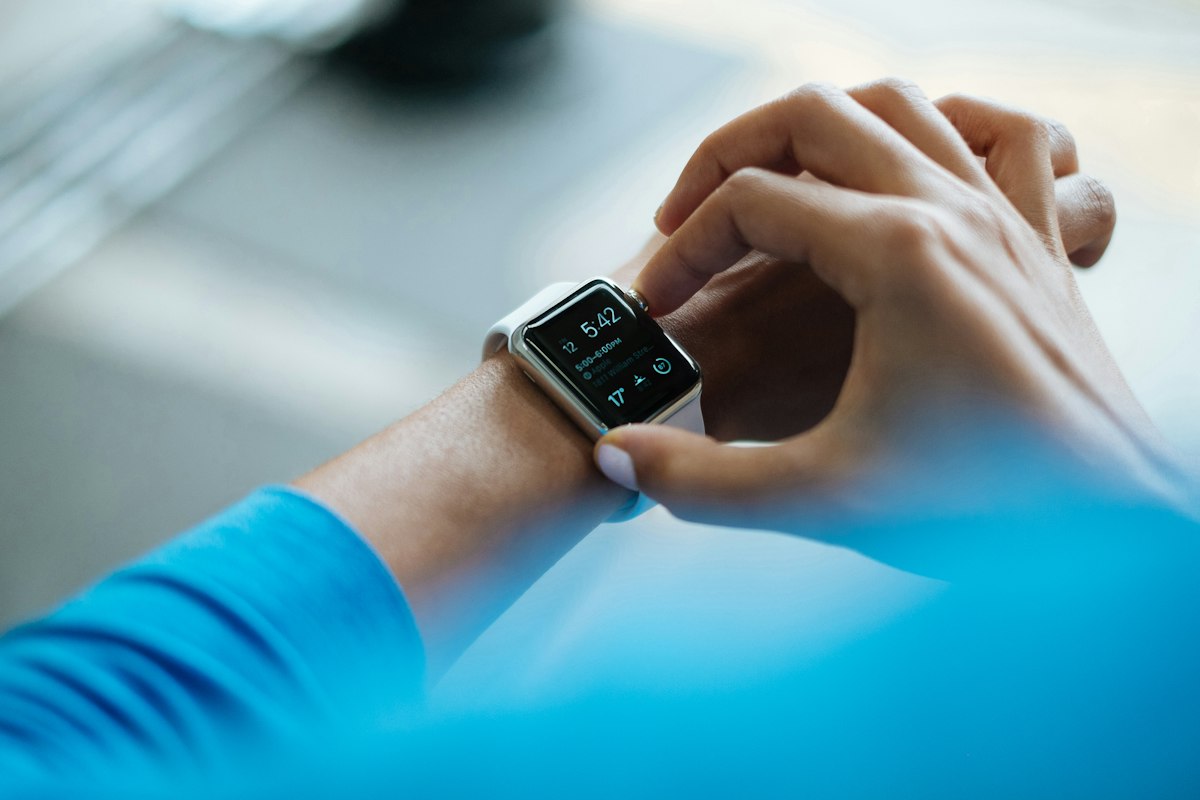
Best Wearables for Longevity Tracking in 2026
Compare the best wearables for longevity tracking in 2026, including Oura Ring, Apple Watch, WHOOP, and Garmin, focusing on health metrics that matter for aging.
Table of Contents
DISCLAIMER
This article is for informational purposes only and does not constitute medical advice. The statements in this article have not been evaluated by the FDA. The information presented is based on published research and should not be used as a substitute for professional medical guidance. Consult your physician before starting any supplement or health protocol.
Quantifying Your Longevity Journey
The explosion of consumer wearable technology has given individuals unprecedented access to health data that was previously available only in clinical settings. For longevity-focused individuals, these devices offer the ability to continuously monitor biomarkers associated with aging, track the effects of lifestyle interventions, and identify potential health issues before they become symptomatic.
But not all wearables are created equal, and not all metrics are equally relevant to longevity. This guide evaluates the major wearable platforms through the lens of aging science, focusing on the metrics that research has most strongly linked to healthy aging and lifespan.
Longevity-Relevant Metrics
Heart Rate Variability (HRV)
HRV measures the variation in time between heartbeats and is one of the most research-validated biomarkers of biological aging and health:
- Higher HRV generally indicates better autonomic nervous system function and greater physiological resilience
- HRV naturally declines with age, making it a useful proxy for biological aging rate
- A 2018 systematic review confirmed HRV as a biomarker of healthy aging
- Improved HRV correlates with better cardiovascular health, stress resilience, and recovery capacity
- Interventions that slow aging (exercise, meditation, sleep optimization) consistently improve HRV
Best tracked by: Oura Ring (during sleep), WHOOP (continuous), Apple Watch (nighttime and on-demand)
Resting Heart Rate (RHR)
Lower resting heart rate is consistently associated with lower cardiovascular mortality and better overall health:
- Each 10 bpm increase in resting heart rate is associated with approximately 15-20% higher mortality risk
- RHR typically increases slightly with age, reflecting declining cardiovascular fitness
- Aerobic exercise is the most effective intervention for lowering RHR
- Tracking RHR trends over months reveals cardiovascular fitness trajectory
Best tracked by: All major wearables provide reasonably accurate RHR measurement
VO2 Max (Cardiorespiratory Fitness)
VO2 max, the maximum rate of oxygen consumption during exercise, is one of the strongest predictors of all-cause mortality:
- A one-MET increase in fitness is associated with approximately 12% reduction in mortality
- VO2 max declines approximately 10% per decade after age 30
- Maintaining high cardiorespiratory fitness is associated with biological age years younger than chronological age
- Peter Attia identifies VO2 max as the single most important longevity metric
Best tracked by: Garmin watches (most detailed exercise physiology), Apple Watch (research-backed algorithm), WHOOP (estimates from exercise data)
Note: Wearable VO2 max estimates are less accurate than laboratory testing (typically within 5-10% for Garmin, less precise for others). They are best used for tracking trends rather than absolute values.
Sleep Quality and Architecture
Sleep is a critical determinant of biological aging, and modern wearables can estimate:
- Total sleep duration
- Time in each sleep stage (light, deep, REM)
- Sleep efficiency (time asleep vs. time in bed)
- Nighttime awakenings
- Respiratory rate during sleep
Best tracked by: Oura Ring (widely considered the gold standard for consumer sleep tracking), Apple Watch (improving rapidly), WHOOP (good sleep metrics)
Body Temperature
Resting body temperature and its variations can indicate:
- Recovery status and stress levels
- Early signs of illness
- Hormonal cycling (relevant for women’s health)
- Circadian rhythm alignment
Best tracked by: Oura Ring (continuous skin temperature), some Garmin models
Activity and Movement
While step count is the most basic metric, more sophisticated movement tracking is relevant for longevity:
- Daily step count (research suggests 7,000-10,000 steps for optimal mortality reduction)
- Active minutes and exercise duration
- Movement distribution throughout the day (frequent movement vs. prolonged sitting)
- Exercise intensity and recovery metrics
Wearable Platform Comparison
Oura Ring (Generation 3+)
Form factor: Ring worn on finger, barely noticeable
Longevity strengths:
- Gold-standard consumer sleep tracking with detailed stage analysis
- Excellent nighttime HRV measurement (arterial signal from finger)
- Continuous skin temperature monitoring
- Readiness score integrating sleep, HRV, temperature, and activity
- Comfortable enough to wear 24/7 including during sleep
Limitations:
- No real-time exercise metrics or GPS
- Limited exercise tracking (detects activity but lacks detailed sport modes)
- VO2 max estimation less developed than fitness watches
- No display for real-time data viewing
- Requires smartphone for data review
Best for: Individuals prioritizing sleep optimization, HRV tracking, and recovery monitoring. Ideal as a complement to a fitness watch.
Price: Approximately $300-400 + optional subscription for advanced features
Apple Watch (Series 10 / Ultra 2)
Form factor: Traditional watch, available in multiple sizes
Longevity strengths:
- Broadest health monitoring ecosystem (ECG, blood oxygen, temperature)
- FDA-cleared ECG for detecting atrial fibrillation
- Fall detection and crash detection (safety features)
- VO2 max estimation with clinical-grade algorithm
- Expanding research features through Apple Health Studies
- Integration with health records and physician access
Limitations:
- Battery life requires daily charging (limits continuous wear during sleep)
- Sleep tracking, while improving, is less detailed than Oura
- Can be overwhelming with notifications that disrupt focus and sleep
- HRV measurement less continuous than dedicated health monitors
Best for: Individuals wanting the broadest health monitoring, ECG capability, and integration with the broader Apple health ecosystem.
Price: $400-800 depending on model
WHOOP (Version 4.0+)
Form factor: Strap worn on wrist, bicep, or clothing
Longevity strengths:
- Continuous HRV monitoring with sophisticated analysis
- Detailed strain quantification (daily physiological load)
- Recovery metrics optimized for performance and longevity
- Sleep coaching with personalized recommendations
- No screen (reduces distraction while maintaining monitoring)
- Journal feature for tracking lifestyle factor effects on recovery
Limitations:
- Subscription model (approximately $30/month or $240/year)
- No GPS or display
- Less accurate for certain exercise types (weight training heart rate)
- VO2 max estimates less validated than Garmin
Best for: Athletes and performance-oriented individuals who want detailed recovery and strain optimization data.
Price: Subscription model (device free with membership)
Garmin (Fenix 7 / Venu 3 / Forerunner series)
Form factor: Traditional sports watch, various styles
Longevity strengths:
- Most detailed exercise physiology metrics (Training Status, Training Load, Body Battery)
- Research-backed VO2 max estimation using Firstbeat Analytics
- Excellent multi-sport tracking with advanced running and cycling metrics
- Long battery life (weeks on some models)
- HRV Status feature for tracking 7-day trends
- Health Snapshot feature providing 2-minute health check
- Sleep tracking with Sleep Score
Limitations:
- Interface and app can be complex for non-athletes
- No ECG capability
- Sleep tracking less detailed than Oura
- Some advanced features require premium subscription
Best for: Fitness enthusiasts and athletes who want the most detailed exercise and VO2 max tracking alongside basic health monitoring.
Price: $300-1,000 depending on model
Building a Longevity Tracking Stack
Budget Option (under $400)
Choose one device based on your primary focus:
- Sleep and recovery focus: Oura Ring
- Broad health monitoring: Apple Watch
- Fitness and VO2 max focus: Garmin Forerunner
Optimal Combination ($500-700)
Many longevity-focused individuals combine:
- Oura Ring (sleep, nighttime HRV, temperature) + Garmin watch (exercise, VO2 max, daytime metrics)
This combination provides the most complete data picture with minimal redundancy.
What to Track Weekly
| Metric | Target Range | Frequency |
|---|---|---|
| Sleep duration | 7-9 hours | Daily |
| Deep sleep | 60-90+ minutes | Daily |
| HRV (RMSSD) | Trend upward | Daily average |
| Resting heart rate | Trend downward | Daily |
| VO2 max estimate | Maintain or improve | Weekly |
| Daily steps | 7,000-10,000+ | Daily |
| Active exercise minutes | 150+ per week | Weekly total |
Avoiding Data Obsession
While tracking can be motivating and informative, it is important to:
- Focus on trends over weeks and months, not daily fluctuations
- Avoid anxiety over single bad nights or days (normal variation exists)
- Use data to inform decisions, not to create stress
- Remember that wearable data supplements but does not replace how you feel
- Consult healthcare providers for concerns, not just your wearable data
Emerging Technologies
Continuous Glucose Monitors (CGMs)
Devices like Dexcom and Levels provide real-time blood glucose data, allowing optimization of dietary choices for metabolic health. While primarily used for diabetes management, CGMs are increasingly adopted by longevity-focused individuals to minimize glucose spikes and improve metabolic flexibility.
Blood Pressure Monitors
Wrist-based continuous blood pressure monitoring is emerging, with Samsung and other companies developing watch-based solutions. Given that hypertension is a major aging accelerator, continuous blood pressure data could be highly valuable.
Sweat Biomarker Analysis
Research devices can analyze sweat for cortisol, electrolytes, and other biomarkers. Consumer versions are in development and could eventually provide real-time metabolic and stress data.
The Bottom Line
Wearable technology provides an unprecedented window into the biological processes relevant to aging. While no consumer device can measure biological age directly, the metrics they track, particularly HRV, VO2 max, sleep quality, and resting heart rate, are well-validated proxies for cardiovascular health, stress resilience, and overall physiological function. Used wisely, these devices provide the feedback loop necessary to optimize lifestyle interventions for longevity. The key is choosing the right device for your priorities, tracking trends rather than obsessing over daily numbers, and using the data to make informed decisions about exercise, sleep, stress management, and recovery.
This article is for informational purposes only and does not constitute medical advice. Wearable devices are not medical devices. Consult a qualified healthcare professional for personalized health guidance.
Frequently Asked Questions
Which wearable is best for tracking longevity metrics?
What metrics should I track for longevity?
How accurate are consumer wearables for health tracking?
Sources
Stay Updated on Longevity Science
Weekly research digests. No spam, unsubscribe anytime.
Related Articles

AI Drug Discovery for Longevity: What Research Is Coming
How artificial intelligence is accelerating longevity drug discovery, from target identification to clinical trial design, and what it means for aging research.
13 min read
Blood Biomarkers for Aging: The Essential Panel
Learn which blood biomarkers are most important for tracking biological aging, what optimal ranges look like for longevity, and how to interpret your results.
10 min read
Continuous Glucose Monitors and Aging Optimization
Continuous glucose monitors may help optimize metabolic health for longevity. Learn how CGM data can inform anti-aging dietary and lifestyle strategies.
10 min read