Quercetin as a Senolytic: Benefits and Research
Learn how quercetin may clear senescent cells, its role in senolytic therapy with dasatinib, and what research suggests about its anti-aging potential.
Table of Contents
SUPPLEMENT NOTICE
The supplements discussed in this article are not intended to diagnose, treat, cure, or prevent any disease. Dosages mentioned reflect those used in specific research studies and should not be interpreted as recommendations. Always consult a healthcare professional before beginning any supplement regimen, especially if you have existing health conditions or take medications.
The Rise of Senolytic Therapy
Among the most exciting developments in aging research is the emergence of senolytic drugs, compounds designed to selectively eliminate senescent cells. These so-called zombie cells accumulate with age and contribute to chronic inflammation, tissue dysfunction, and age-related disease. Quercetin, a flavonoid found abundantly in fruits and vegetables, has emerged as one of the most studied natural senolytic compounds, particularly in combination with the pharmaceutical drug dasatinib.
The discovery that senescent cells could be selectively cleared, and that doing so could improve health and extend lifespan in animal models, has been described as one of the most important advances in geroscience. Quercetin sits at the center of this story as an accessible, natural compound with genuine senolytic properties.
Understanding Senescent Cells
What Are Senescent Cells?
Senescent cells are cells that have permanently stopped dividing in response to various stresses, including DNA damage, telomere shortening, oncogene activation, or oxidative stress. While the initial entry into senescence may serve a protective purpose (preventing potentially damaged cells from proliferating), the long-term accumulation of senescent cells is harmful.
The Senescence-Associated Secretory Phenotype (SASP)
The primary way senescent cells cause damage is through the SASP, a complex mixture of inflammatory cytokines, chemokines, growth factors, and proteases that senescent cells continuously secrete. The SASP:
- Promotes chronic low-grade inflammation (inflammaging)
- Can convert neighboring healthy cells into senescent cells (paracrine senescence)
- Degrades the extracellular matrix, compromising tissue structure
- May promote tumor development by creating a pro-inflammatory microenvironment
- Impairs stem cell function, reducing tissue regenerative capacity
Senescent Cell Accumulation With Age
Senescent cells accumulate progressively with age, driven by increasing cellular stress and declining immune clearance. In young organisms, the immune system efficiently identifies and removes senescent cells. With age, this clearance mechanism becomes less effective, allowing senescent cells to accumulate in tissues including fat, skin, lungs, liver, and the cardiovascular system.
Quercetin: From Antioxidant to Senolytic
Traditional Understanding
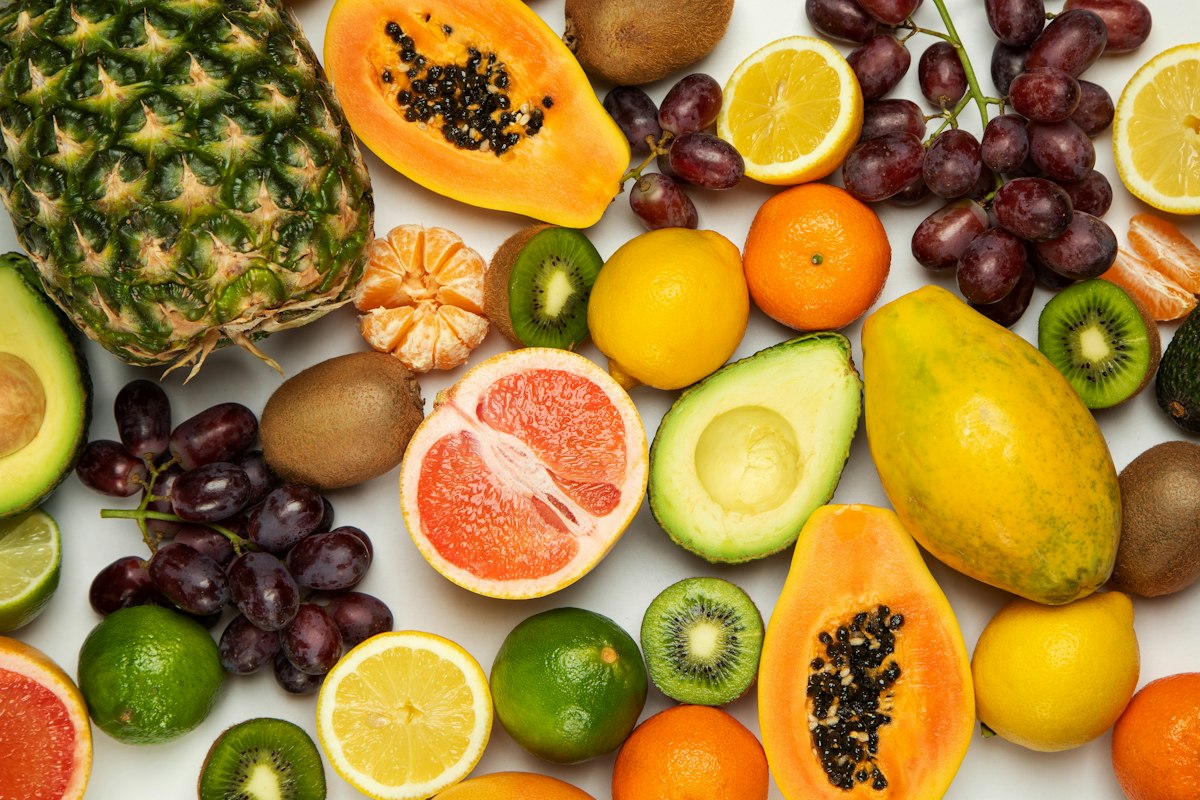
Quercetin has been studied for decades primarily as an antioxidant and anti-inflammatory compound. It is one of the most abundant flavonoids in the human diet, found in onions, apples, berries, broccoli, capers, and many other plant foods. Its traditional health benefits were attributed mainly to its ability to neutralize reactive oxygen species and modulate inflammatory signaling.
The Senolytic Discovery
The identification of quercetin as a senolytic agent came from a systematic approach. In 2015, James Kirkland and colleagues at the Mayo Clinic published a landmark study in Aging Cell that used bioinformatics to identify the survival networks that senescent cells depend on to avoid apoptosis. They then screened compounds that might disrupt these networks.
The analysis revealed that senescent cells upregulate specific anti-apoptotic pathways, including:
- BCL-2/BCL-XL: Anti-apoptotic proteins that prevent programmed cell death
- PI3K/AKT: A pro-survival signaling cascade
- p53/p21: Regulators of the cell cycle that are reconfigured in senescence
- Tyrosine kinase signaling: Growth factor-dependent survival pathways
- Serpins: Protease inhibitors that protect cells from death
Quercetin was found to inhibit several of these pathways, particularly PI3K and certain BCL-2 family members, enabling selective elimination of senescent cells.
The Dasatinib Plus Quercetin (D+Q) Combination
Why Combination Therapy?
No single senolytic compound effectively targets all types of senescent cells because different cell types rely on different survival pathways. The D+Q combination was designed to provide broader coverage:
- Dasatinib: A tyrosine kinase inhibitor (originally developed as a cancer drug) that targets senescent human fat cell progenitors and is effective against senescence driven by growth factor signaling
- Quercetin: More effective against senescent endothelial cells, certain bone marrow stem cells, and cells with BCL-2/PI3K-dependent survival
Animal Studies
The D+Q combination has produced remarkable results in animal models:
Lifespan extension: A 2018 study published in Nature Medicine demonstrated that intermittent D+Q treatment starting in old age (equivalent to approximately 75-80 in human years) extended remaining lifespan by 36% in mice. Treated mice also showed improved physical function, walking speed, grip strength, and endurance.
Cardiovascular improvement: D+Q treatment reduced age-related vascular calcification, improved vascular function, and reduced arterial stiffness in aged mice.
Metabolic benefits: Senolytic treatment with D+Q improved glucose tolerance and insulin sensitivity in aged and obese mice.
Physical function: Transplanting even a small number of senescent cells into young mice caused lasting physical dysfunction that was reversed by D+Q treatment.
Human Clinical Trials
First-in-human trial (2019): Kirkland’s group published the first report of D+Q treatment in humans, studying patients with idiopathic pulmonary fibrosis (IPF), a condition associated with senescent cell accumulation in the lungs. After three weeks of intermittent D+Q dosing, patients showed improved physical function (6-minute walk distance, chair-stand time, and gait speed) with an acceptable safety profile.
Diabetic kidney disease: A clinical trial in patients with diabetic kidney disease found that D+Q treatment reduced senescent cell markers in adipose tissue and skin and decreased circulating SASP factors. This was the first demonstration that senolytics could clear senescent cells in living humans.
Ongoing trials: Multiple clinical trials are evaluating D+Q for conditions including Alzheimer’s disease, osteoarthritis, frailty in older adults, and chronic kidney disease. These trials should provide more definitive evidence regarding the clinical potential of senolytic therapy.
Quercetin Beyond Senolytics
Anti-Inflammatory Effects
Independent of its senolytic activity, quercetin has well-documented anti-inflammatory properties:
- Inhibits NF-kB signaling, a master regulator of inflammatory gene expression
- Reduces production of pro-inflammatory cytokines including TNF-alpha, IL-6, and IL-1beta
- Modulates immune cell function
- May reduce chronic low-grade inflammation associated with aging
Antioxidant Properties
Quercetin is a potent antioxidant that:
- Directly scavenges reactive oxygen species
- Chelates transition metals that catalyze oxidative reactions
- Upregulates endogenous antioxidant enzymes through Nrf2 pathway activation
- Protects LDL cholesterol from oxidation
Immune Modulation
Research suggests quercetin may support immune function through:
- Enhanced antiviral activity (multiple studies during the COVID-19 pandemic explored quercetin’s antiviral potential)
- Improved natural killer cell function
- Balanced T-cell responses
- Reduced excessive inflammatory immune activation
Practical Considerations
Dietary Sources
Quercetin is widely available in foods:
- Capers: The richest food source (approximately 180 mg per 100g)
- Red onions: High content, particularly in the outer rings
- Apples: Concentrated in the skin
- Berries: Especially cranberries, lingonberries, and blueberries
- Broccoli: Moderate content
- Green tea: Contains quercetin along with other beneficial polyphenols
- Citrus fruits: Moderate amounts
Average dietary quercetin intake in Western populations is estimated at 10-100 mg per day.
Supplementation
Quercetin supplements are widely available and come in several forms:
- Quercetin dihydrate: The most common supplement form
- Quercetin phytosome: Formulated with phospholipids to improve absorption
- Isoquercetin: A glycoside form with better water solubility and bioavailability
Typical supplement doses range from 500 to 1,000 mg per day. Like resveratrol, quercetin has relatively poor oral bioavailability due to rapid metabolism, and advanced formulations may improve absorption.
Senolytic Dosing Protocol
In the clinical trials of D+Q, the senolytic dosing strategy was intermittent rather than continuous — typically three days on, followed by weeks off. This “hit-and-run” approach is based on the rationale that once senescent cells are eliminated, they take weeks to re-accumulate, so continuous dosing is unnecessary and may increase side effect risk.
For quercetin specifically in the D+Q protocol, doses of 1,000 mg per day for three consecutive days were used. It is important to note that the senolytic protocol specifically involves the combination with dasatinib, which is a prescription medication.
Safety and Interactions
Quercetin is generally considered safe with a long history of dietary exposure. However:
- It may interact with certain antibiotics (quinolones) by competing for the same transporters
- High doses may affect blood clotting and interact with anticoagulant medications
- It can affect the metabolism of certain drugs through CYP enzyme modulation
- Gastrointestinal side effects (nausea, headache) may occur at high supplement doses
The Future of Quercetin in Aging Research
Next-Generation Senolytics
While D+Q has proven the senolytic concept, researchers are developing more targeted senolytic agents with potentially better specificity and fewer side effects. These include BCL-2 specific inhibitors (navitoclax analogs), CAR-T cells targeting senescent cell surface markers, and prodrugs activated specifically in senescent cells. Quercetin’s role may evolve as these more targeted approaches mature.
Combination Strategies
Research is exploring whether quercetin-based senolytic therapy might be enhanced by combining with other longevity interventions. Clearing senescent cells while simultaneously supporting autophagy (through spermidine or fasting), boosting NAD+ levels, or providing anti-inflammatory support could potentially produce synergistic anti-aging effects.
The Bottom Line
Quercetin has evolved from a well-known dietary antioxidant to a key component of the most clinically advanced senolytic therapy currently in development. Its ability to selectively target senescent cells, combined with its broad anti-inflammatory and antioxidant properties, makes it a versatile compound in the longevity toolkit. While the most dramatic senolytic results require the prescription combination with dasatinib, quercetin alone offers health benefits that may support healthy aging. As clinical trials of senolytic therapies progress, the role of quercetin in longevity medicine is likely to become clearer.
This article is for informational purposes only and does not constitute medical advice. Consult a qualified healthcare professional before starting any supplement or senolytic regimen.
Frequently Asked Questions
What makes quercetin a senolytic?
Why is quercetin combined with dasatinib?
Can I take quercetin on its own for anti-aging benefits?
Sources
- The Achilles' heel of senescent cells: from transcriptome to senolytic drugs(2015)
- Senolytics improve physical function and increase lifespan in old age(2018)
- Senolytics decrease senescent cells in humans: preliminary report from a clinical trial(2019)
- Senolytic drugs: from discovery to translation(2020)
Stay Updated on Longevity Science
Weekly research digests. No spam, unsubscribe anytime.
Related Articles

Alpha-Ketoglutarate (AKG) and Aging: What Research Reveals
Explore how alpha-ketoglutarate (AKG) may influence aging through epigenetic regulation, mitochondrial function, and cellular energy metabolism.
12 min read
Best Longevity Supplement Stack in 2026
Explore the best longevity supplement stack for 2026 based on current research. Learn which supplements may support healthy aging and what the evidence says.
12 min read
CoQ10 and Mitochondrial Health: What Research Suggests
Explore how CoQ10 may support mitochondrial function and healthy aging, including dosage research, absorption forms, and clinical evidence.
12 min read