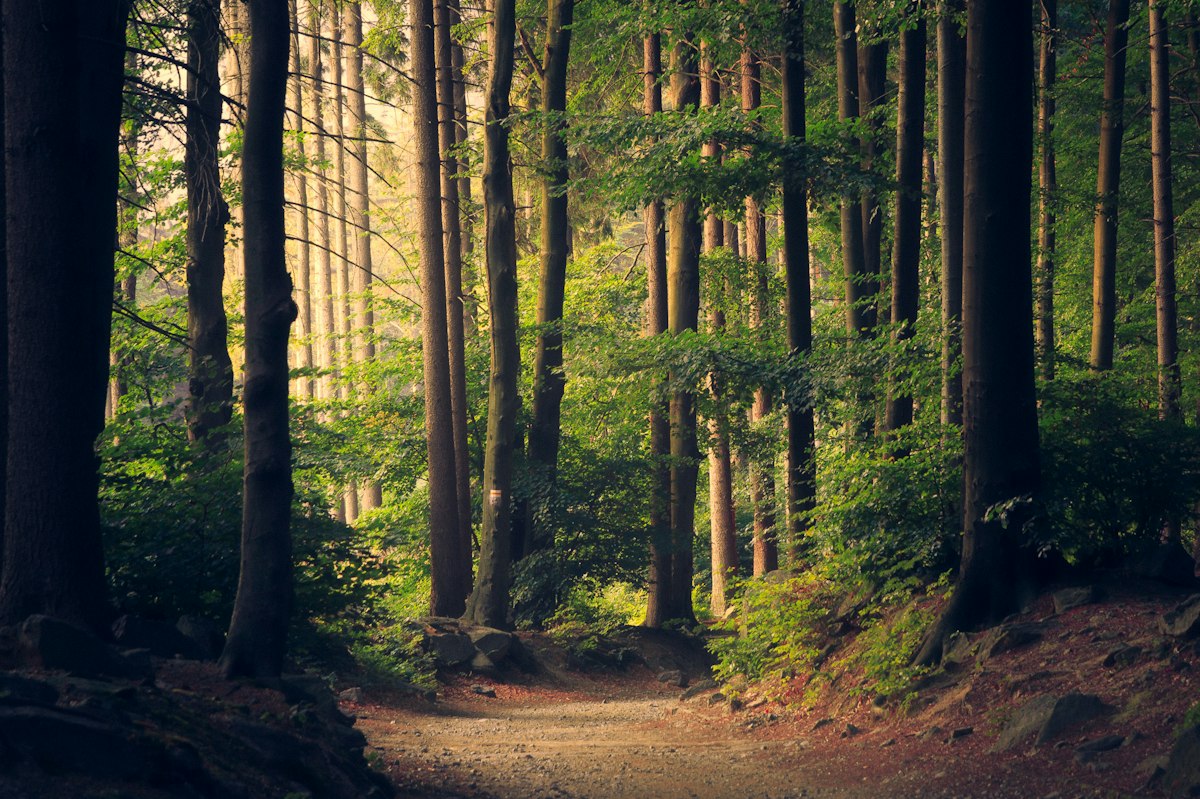
Nature Exposure and Aging: How the Outdoors May Slow Biological Decline
Review the science linking nature exposure to healthy aging. Learn how green spaces, forest bathing, and outdoor time may benefit longevity.
Table of Contents
DISCLAIMER
This article is for informational purposes only and does not constitute medical advice. The statements in this article have not been evaluated by the FDA. The information presented is based on published research and should not be used as a substitute for professional medical guidance. Consult your physician before starting any supplement or health protocol.
The Green Prescription for Aging
In an era of sophisticated longevity interventions — from senolytics to epigenetic reprogramming — one of the most accessible and well-supported strategies for healthy aging might be as simple as spending time outdoors. A growing body of research suggests that regular exposure to natural environments may influence multiple pathways relevant to aging, from stress hormones and inflammation to immune function and cardiovascular health.
The concept is not new. Humans evolved in natural environments, and our biology remains deeply attuned to natural stimuli. The rapid urbanization of the past century has created an unprecedented disconnect between humans and nature, and researchers are beginning to understand the health consequences of this disconnect, particularly as they relate to aging.
The Evidence: Green Spaces and Mortality
Population-Level Studies
Several large-scale epidemiological studies have found striking associations between nature exposure and longevity:
Harvard Nurses’ Health Study (2016): This landmark study analyzed data from over 108,000 women and found that those living in the greenest areas had a 12 percent lower rate of all-cause mortality compared to those in the least green areas. Reductions were observed for cancer, respiratory disease, and kidney disease mortality. Importantly, these associations persisted after adjusting for income, smoking, physical activity, and other confounders.
Global Studies: Research from countries including the UK, Canada, Australia, and China has consistently found inverse associations between residential greenness and mortality risk. These findings suggest the relationship is not limited to specific populations or climates.
Urban vs. Rural: Studies have shown that even within urban environments, proximity to parks and green spaces is associated with better health outcomes and reduced mortality.
Mechanisms Behind the Mortality Reduction
The Harvard study identified several mediating pathways:
- Reduced depression and improved mental health (accounted for approximately 30 percent of the effect)
- Increased social engagement
- Higher physical activity levels
- Lower air pollution exposure
How Nature Exposure May Slow Aging
Stress Reduction and Cortisol
Chronic stress accelerates biological aging through multiple mechanisms, including telomere shortening, increased inflammation, and impaired immune function. Nature exposure may be one of the most effective non-pharmacological stress reduction interventions:
- Studies have measured cortisol levels before and after nature exposure and consistently found significant reductions.
- Research suggests that just 20 minutes in a nature setting may begin to lower cortisol levels.
- A study of urban dwellers found that cortisol reductions from nature exposure followed a dose-response relationship, with greater benefits from longer exposures.
The stress-buffering effects of nature may be particularly relevant for aging because chronic stress has been directly linked to accelerated epigenetic aging and shorter telomere length.
Immune Function Enhancement
Japanese research on forest bathing (shinrin-yoku) has produced some of the most compelling evidence for nature’s effects on immune function:
A 2010 study published in Environmental Health and Preventive Medicine found that three-day forest bathing trips significantly increased natural killer (NK) cell activity and the number of NK cells in the blood. Remarkably, these immune enhancements persisted for more than 30 days after the forest visit.
The immune effects may be partially attributed to phytoncides — volatile organic compounds released by trees — which have been shown to enhance NK cell activity in laboratory studies. NK cells play a critical role in immune surveillance against cancer and viral infections, functions that decline with age (immunosenescence).
Inflammation Reduction
Chronic low-grade inflammation (inflammaging) is a hallmark of aging. Research suggests nature exposure may help reduce inflammatory burden:
- Studies have reported lower levels of inflammatory biomarkers (CRP, IL-6) in populations with greater green space exposure.
- Controlled experiments show reduced inflammatory markers after time spent in natural environments.
- The anti-inflammatory effects may result from combined stress reduction, improved air quality, and physical activity associated with outdoor time.
Cardiovascular Benefits
Nature exposure has been associated with multiple cardiovascular benefits relevant to aging:
- Reduced blood pressure, with studies showing both systolic and diastolic improvements after nature walks
- Lower resting heart rate
- Improved heart rate variability (HRV), an indicator of cardiovascular resilience
- Better endothelial function
Sleep Quality
Exposure to natural light patterns helps regulate circadian rhythms, which are critical for healthy sleep. Nature exposure may improve sleep through:
- Greater daytime light exposure, which strengthens circadian rhythms
- Reduced evening light exposure when outdoors (compared to indoor screen use)
- Physical activity associated with outdoor time
- Stress reduction that removes barriers to sleep
Sleep quality is increasingly recognized as a critical factor in biological aging, with poor sleep associated with accelerated epigenetic aging.
Cognitive Function
Nature exposure may support cognitive health during aging:
- Studies have shown improved attention, memory, and executive function after nature walks compared to urban walks.
- Exposure to natural environments may reduce mental fatigue and restore directed attention.
- Long-term access to green spaces has been associated with slower cognitive decline in elderly populations.
Forest Bathing: The Research
What It Is
Shinrin-yoku, or forest bathing, was developed in Japan in the 1980s as a form of preventive medicine. Unlike hiking or exercise, forest bathing emphasizes slow, mindful immersion in the forest atmosphere. Practitioners are encouraged to engage all five senses and simply be present in the forest environment.
Key Findings
Research on forest bathing has documented:
- Significant reductions in cortisol, blood pressure, and heart rate
- Enhanced parasympathetic nervous system activity
- Reduced sympathetic nervous system activity
- Improved mood and reduced anxiety
- Boosted NK cell activity lasting up to 30 days
- Reduced levels of adrenaline and noradrenaline in urine
The Phytoncide Effect
Trees release antimicrobial volatile organic compounds called phytoncides. Research suggests these compounds may contribute to the immune-enhancing effects of forest bathing. Laboratory studies have shown that exposure to phytoncides like alpha-pinene, beta-pinene, and D-limonene can increase NK cell activity.
Practical Ways to Increase Nature Exposure
Daily Micro-Doses
- Take walking meetings outdoors
- Eat lunch in a park or garden
- Walk through green spaces during your commute
- Garden regularly, even if just tending a few plants
- Exercise outdoors when possible
Weekly Nature Doses
Research suggests aiming for at least 120 minutes of nature exposure per week:
- Weekend walks in parks or nature reserves
- Forest bathing sessions
- Outdoor sports and recreation
- Nature photography or birdwatching
- Gardening projects
Environmental Design
For those in urban environments, consider:
- Keeping plants in your home and workspace (though indoor plant research shows more modest effects than outdoor nature exposure)
- Choosing walking routes through parks and tree-lined streets
- Spending time near water features (blue spaces also show health benefits)
- Prioritizing residential proximity to green spaces when possible
The Dose-Response Relationship
Research increasingly suggests a dose-response relationship for nature exposure:
- Brief exposures (10-20 minutes): May reduce cortisol and improve mood
- Moderate exposures (30-60 minutes): Additional cardiovascular and cognitive benefits
- Extended exposures (2+ hours per week): Associated with significantly better self-reported health and well-being
- Multi-day immersions: Strongest immune function effects observed
The Bottom Line
Nature exposure represents one of the most accessible, affordable, and enjoyable approaches to supporting healthy aging. The evidence linking time in nature to reduced mortality, lower stress, enhanced immune function, and improved cardiovascular health is substantial and growing.
While spending time outdoors is not a substitute for other evidence-based longevity practices, it may amplify their benefits. Exercise in nature appears to provide greater stress reduction than indoor exercise. Social interaction in natural settings may be more restorative than in urban environments.
For individuals seeking to optimize their aging trajectory, prioritizing regular nature exposure may be one of the simplest and most pleasant additions to a longevity-focused lifestyle.
Frequently Asked Questions
How much time in nature is needed for health benefits?
What is forest bathing?
Can living near green spaces extend your life?
Sources
Stay Updated on Longevity Science
Weekly research digests. No spam, unsubscribe anytime.
Related Articles
Circadian Amplitude and Healthy Aging: Why Strong Daily Rhythms Matter
Explore circadian amplitude healthy aging research and learn why stronger daily light, sleep, activity, and meal rhythms may support long-term resilience.
10 min read
Alcohol and Aging: What the Latest Research Says
A review of the latest research on alcohol's effects on aging, biological age, disease risk, and longevity, including evolving views on moderate drinking.
9 min read
Blue Light and Aging: How Screen Time May Be Accelerating Your Biological Clock
Examine the evidence linking blue light exposure to accelerated aging through circadian disruption, retinal damage, and metabolic effects. Practical mitigation tips.
11 min read