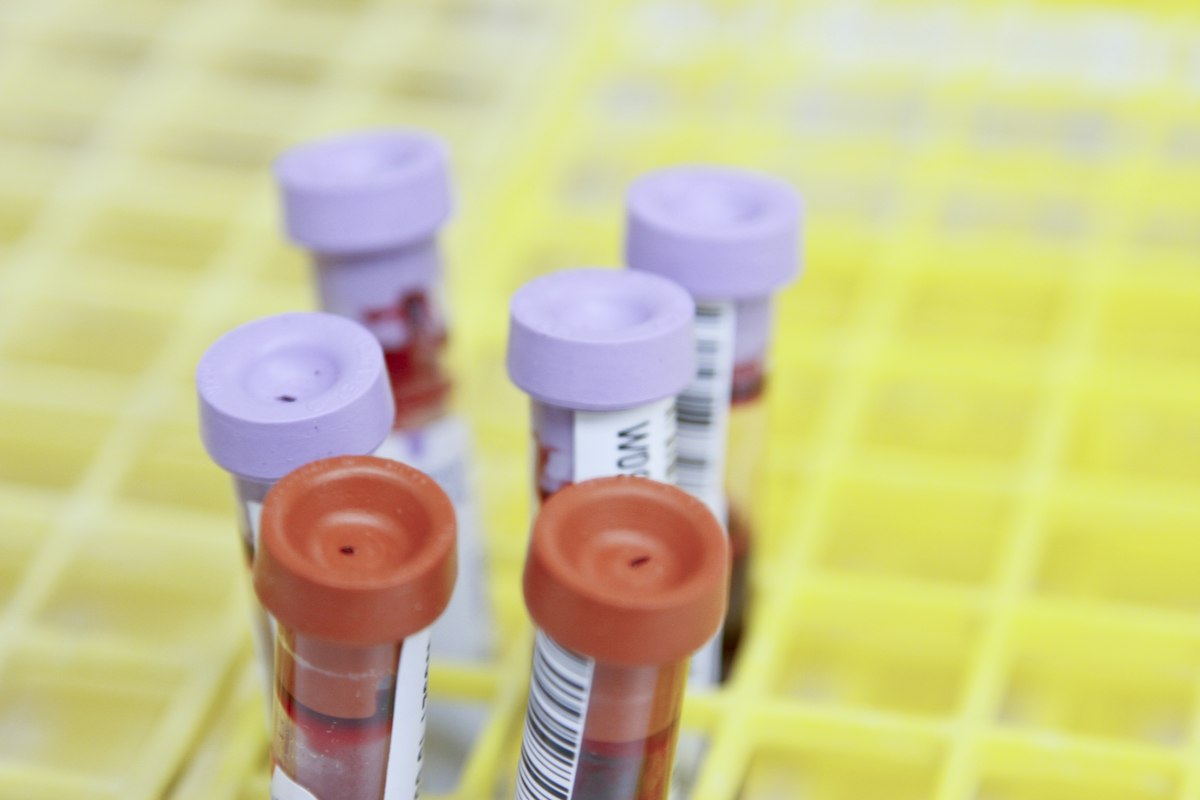
Blood Biomarkers for Aging: The Complete Guide to Key Markers
Understand which blood biomarkers reveal your aging status. A comprehensive guide to the key lab tests that may predict biological age.
Table of Contents
DISCLAIMER
This article is for informational purposes only and does not constitute medical advice. The statements in this article have not been evaluated by the FDA. The information presented is based on published research and should not be used as a substitute for professional medical guidance. Consult your physician before starting any supplement or health protocol.
Reading the Signs of Aging in Your Blood
Your blood carries a wealth of information about your health and, increasingly, your biological age. Simple blood tests that are already part of routine medical care may reveal how quickly or slowly your body is aging at the molecular and cellular level.
Understanding which biomarkers are most relevant to aging, what optimal ranges look like, and how to interpret changes over time may empower you to take more proactive steps toward healthy aging. This guide covers the key blood biomarkers that research has linked to biological aging and longevity.
The Science Behind Blood Biomarkers and Aging
Why Blood Tests Matter for Aging
Blood biomarkers are attractive tools for assessing biological age for several reasons:
- Blood is relatively easy to collect through routine medical visits
- Standardized testing methods are widely available
- Reference ranges are well established for most markers
- Results are quantitative and trackable over time
- Many markers reflect the function of multiple organ systems
Research published in 2019 demonstrated that combinations of common blood chemistry markers can predict mortality risk and biological age with surprising accuracy. Several algorithmic approaches now use routine blood panel data to estimate biological age, including Levine’s PhenoAge and the Klemera-Doubal method.
Individual Markers vs. Composite Scores
While individual biomarkers provide useful information, research consistently shows that composite scores combining multiple markers are better predictors of biological age and health outcomes. This makes sense biologically — aging is a multisystem process, and no single marker can capture its full complexity.
Essential Aging Biomarkers
Metabolic Markers
Fasting Glucose and HbA1c Blood glucose regulation is one of the most important factors in aging. Chronically elevated glucose may accelerate aging through glycation (the binding of sugars to proteins and lipids), oxidative stress, and insulin resistance.
- Fasting glucose levels above the optimal range have been associated with increased mortality risk, even within the technically normal range.
- HbA1c provides a three-month average of blood sugar levels, offering a more stable picture than a single fasting glucose measurement.
- Research suggests that maintaining fasting glucose in the lower end of the normal range may be associated with better aging outcomes.
Fasting Insulin While less commonly tested than glucose, fasting insulin levels may be an even more sensitive marker of metabolic aging. Elevated insulin, even with normal glucose, indicates insulin resistance and may precede type 2 diabetes by years or decades.
Insulin resistance has been linked to accelerated aging through multiple mechanisms, including inflammation, oxidative stress, and impaired cellular repair.
Lipid Panel Traditional lipid markers provide information about cardiovascular aging:
- Total cholesterol: The relationship with aging is complex, with both very high and very low levels associated with increased mortality in some studies.
- LDL cholesterol: Elevated levels are associated with cardiovascular disease risk, a major determinant of healthspan.
- HDL cholesterol: Higher levels are generally associated with better cardiovascular outcomes.
- Triglycerides: Elevated triglycerides reflect metabolic dysfunction and are associated with increased disease risk.
- ApoB: An emerging marker that may more accurately reflect atherogenic particle number than traditional LDL measurement.
Inflammatory Markers
High-Sensitivity C-Reactive Protein (hs-CRP) CRP is one of the most widely used markers of systemic inflammation. Levels tend to increase with age, and elevated hs-CRP has been consistently associated with:
- Increased cardiovascular disease risk
- Higher all-cause mortality
- Greater frailty risk
- Accelerated biological aging
Optimal levels for longevity purposes may be below 1.0 mg/L, though the exact optimal range continues to be studied.
Interleukin-6 (IL-6) IL-6 is a pro-inflammatory cytokine that increases with age and has been called the “cytokine of aging.” Elevated IL-6 is associated with:
- Increased mortality in elderly populations
- Reduced physical function
- Cognitive decline
- Sarcopenia (muscle loss)
While not part of standard blood panels, IL-6 testing is available and may provide additional insight into inflammatory aging.
Organ Function Markers
Albumin Serum albumin, the most abundant blood protein, is a powerful predictor of health status and mortality. Levels tend to decline with age, and low albumin has been consistently linked to:
- Increased all-cause mortality
- Greater frailty
- Poor surgical outcomes
- Reduced functional capacity
Albumin reflects both nutritional status and liver synthetic function, making it a broad indicator of overall health.
Creatinine and eGFR Kidney function naturally declines with age, and monitoring renal markers provides insight into this important aspect of biological aging:
- Creatinine levels may reflect both kidney function and muscle mass.
- Estimated glomerular filtration rate (eGFR) provides a calculated measure of kidney filtering capacity.
- Declining eGFR is associated with increased cardiovascular risk and mortality.
Liver Enzymes (ALT, AST, GGT) Liver function markers may reveal metabolic stress and liver health:
- Elevated GGT has been associated with increased mortality risk even within the normal range.
- ALT and AST elevations may indicate liver damage from various causes including fatty liver disease.
- Optimal ranges for longevity may be in the lower portion of the reference range.
Hematological Markers
White Blood Cell Count Total white blood cell count is a simple but informative aging marker. Elevated WBC counts, even within the normal range, have been associated with:
- Increased cardiovascular disease risk
- Higher all-cause mortality
- Greater inflammatory burden
- Accelerated biological aging
Red Cell Distribution Width (RDW) RDW measures the variation in size of red blood cells. Elevated RDW has emerged as a surprisingly powerful predictor of mortality and adverse health outcomes in numerous studies, potentially reflecting underlying inflammation, oxidative stress, or nutritional deficiencies.
Mean Corpuscular Volume (MCV) The average size of red blood cells may reflect nutritional status and bone marrow function. Both high and low MCV values have been associated with increased health risks.
Hormonal Markers
DHEA-S (Dehydroepiandrosterone Sulfate) DHEA-S, a precursor to sex hormones, declines steadily with age. Low levels have been associated with:
- Increased cardiovascular risk
- Reduced bone density
- Impaired immune function
- Cognitive decline
Thyroid Function (TSH, Free T3, Free T4) Thyroid function affects metabolic rate, energy production, and body composition. Age-related changes in thyroid function may contribute to metabolic decline, weight gain, and reduced cognitive function.
IGF-1 (Insulin-Like Growth Factor 1) IGF-1 plays complex roles in aging. While adequate levels support tissue maintenance and repair, chronically elevated IGF-1 has been associated with increased cancer risk in some studies. The optimal range for longevity remains debated.
Emerging Markers
GlycanAge Analysis of immunoglobulin G glycosylation patterns (IgG glycans) is an emerging biological age measure that reflects immune system aging and inflammatory status.
Cystatin C This marker may provide a more accurate assessment of kidney function than creatinine, particularly in older adults with reduced muscle mass.
Growth Differentiation Factor 15 (GDF-15) GDF-15 is an emerging marker of cellular stress that increases with age and has been associated with mortality risk in several large studies.
Building Your Aging Biomarker Panel
Essential Panel
For a foundational aging assessment, consider these commonly available tests:
- Complete blood count (CBC) with differential
- Comprehensive metabolic panel (CMP)
- Fasting insulin
- HbA1c
- Lipid panel with ApoB
- hs-CRP
- Vitamin D (25-OH)
- Thyroid panel (TSH, Free T3, Free T4)
Advanced Panel
For a more comprehensive assessment, add:
- DHEA-S
- IGF-1
- Homocysteine
- Ferritin
- GGT
- Cystatin C
- IL-6
- Omega-3 index
Interpreting Your Results
Optimal vs Normal Ranges
Standard laboratory reference ranges define normal as the range encompassing 95 percent of the population. However, for longevity purposes, optimal ranges may be narrower than standard reference ranges. Research suggests that values in the center or lower portions of normal ranges may be associated with better aging outcomes for many markers.
Trends Matter More Than Snapshots
Individual blood test results represent a single point in time. Tracking trends over multiple tests provides much more valuable information about your aging trajectory. A gradually rising hs-CRP or steadily declining albumin level, even within normal ranges, may indicate accelerating aging that warrants attention.
The Bottom Line
Blood biomarkers provide an accessible, quantitative, and actionable window into biological aging. While no single marker tells the complete story, comprehensive blood panels analyzed over time may reveal important patterns in how your body is aging.
Regular blood testing, ideally one to two times per year, combined with an understanding of which markers are most relevant to aging, may empower more informed health decisions. Work with a healthcare provider who understands longevity medicine to design an appropriate testing panel and interpret results in the context of your individual health profile.
Frequently Asked Questions
Which blood markers best predict biological age?
How often should aging biomarkers be tested?
Can blood biomarkers be improved with lifestyle changes?
Sources
Stay Updated on Longevity Science
Weekly research digests. No spam, unsubscribe anytime.
Related Articles

Best Biological Age Test in 2026: Complete Comparison
Compare the best biological age tests in 2026 including TruDiagnostic, Elysium Index, and GlycanAge. Find the right test for tracking your aging.
11 min read
Best Biological Age Apps in 2026: Track Your True Age Digitally
Compare the top biological age apps in 2026. Learn how these digital tools estimate your biological age using health data and biomarkers.
8 min read
Biological Age Blood Test Panels: What to Measure and Why
Explore the key biomarkers in biological age blood test panels and understand what to measure to gain insights into your health and longevity.
15 min read