Polyphenols and Aging: How These Plant Compounds May Protect Your Cells
Research review on how polyphenols may influence aging through antioxidant, anti-inflammatory, and senolytic mechanisms across multiple organ systems.
Table of Contents
DISCLAIMER
This article is for informational purposes only and does not constitute medical advice. The statements in this article have not been evaluated by the FDA. The information presented is based on published research and should not be used as a substitute for professional medical guidance. Consult your physician before starting any supplement or health protocol.
What Are Polyphenols?
Polyphenols are a vast family of naturally occurring compounds found in plants, characterized by the presence of multiple phenol structural units. With over 8,000 identified compounds, polyphenols represent one of the most abundant groups of bioactive molecules in the human diet.
These compounds serve important functions in plants, including defense against UV radiation, pathogens, and oxidative damage. When consumed by humans, polyphenols interact with multiple biological systems in ways that research suggests may influence the aging process.
A comprehensive 2007 review of dietary polyphenols and their biological significance established the foundational understanding of these compounds’ diverse activities in human biology (PMID: 17987447).
The Major Classes of Polyphenols
Polyphenols are broadly classified into several families:
| Class | Examples | Key Food Sources | Aging-Relevant Activity |
|---|---|---|---|
| Flavonoids | Quercetin, kaempferol, catechins, anthocyanins | Berries, tea, onions, citrus | Antioxidant, anti-inflammatory, senolytic |
| Stilbenes | Resveratrol, pterostilbene | Red grapes, wine, peanuts | Sirtuin activation, CR mimetic |
| Phenolic acids | Caffeic acid, gallic acid, chlorogenic acid | Coffee, whole grains, berries | Antioxidant, metabolic support |
| Lignans | Secoisolariciresinol, matairesinol | Flaxseed, sesame, whole grains | Hormonal modulation, antioxidant |
| Tannins | Ellagitannins, proanthocyanidins | Tea, berries, nuts, pomegranate | Gut microbiome modulation, antioxidant |
How Do Polyphenols Influence Aging?
A 2020 comprehensive review in Current Medicinal Chemistry examined the relationship between polyphenols and aging, identifying multiple mechanisms through which these compounds may influence the aging process (PMID: 33276638).
1. Antioxidant Protection
Polyphenols are potent antioxidants that may neutralize reactive oxygen species (ROS) and reduce oxidative damage to DNA, proteins, and lipids. However, their antioxidant role is more nuanced than simple free radical scavenging:
- Direct scavenging: Polyphenols can directly neutralize free radicals
- Enzyme modulation: They may upregulate endogenous antioxidant enzymes (SOD, catalase, glutathione peroxidase) through Nrf2 activation
- Metal chelation: Some polyphenols bind pro-oxidant metal ions (iron, copper), preventing them from generating free radicals
- Hormetic effects: At physiological concentrations, polyphenols may induce mild stress that activates protective adaptive responses
2. Anti-Inflammatory Activity
Chronic, low-grade inflammation (“inflammaging”) is a hallmark of aging. Polyphenols may combat inflammaging through:
- Inhibition of NF-kB signaling
- Reduction of pro-inflammatory cytokine production (IL-6, TNF-alpha, IL-1beta)
- Modulation of COX-2 and lipoxygenase enzymes
- Promotion of anti-inflammatory mediators (IL-10)
- Inhibition of NLRP3 inflammasome activation
3. Senolytic and Senomorphic Effects
Some polyphenols have been identified as senolytics (compounds that selectively eliminate senescent cells) or senomorphics (compounds that suppress harmful senescent cell secretions):
Fisetin: A 2018 study published in EBioMedicine demonstrated that fisetin acts as a potent senolytic, extending healthspan and lifespan in aged mice (PMID: 30279143). Fisetin reduced senescent cell markers in multiple tissues and improved several age-related parameters.
Quercetin: When combined with dasatinib, quercetin forms the most-studied senolytic regimen, shown to clear senescent cells in both animal and early human studies.
Other polyphenolic senolytics: Research is investigating additional polyphenols including luteolin, curcumin, and procyanidin C1 for senolytic or senomorphic activity.
4. Sirtuin Activation and Caloric Restriction Mimicry
Certain polyphenols, particularly resveratrol and pterostilbene, have been studied for their ability to activate sirtuins — NAD+-dependent deacetylases implicated in longevity. A 2006 study demonstrated that resveratrol mimicked caloric restriction at the molecular level in mice, activating similar gene expression patterns and improving health markers (PMID: 17086191).
5. Gut Microbiome Modulation
Polyphenols have significant interactions with the gut microbiome:
- Most dietary polyphenols are poorly absorbed in the small intestine and reach the colon where they are metabolized by gut bacteria
- These microbial metabolites (such as urolithin A from ellagitannins) may have more potent biological activity than the parent compounds
- Polyphenols may act as prebiotics, promoting the growth of beneficial gut bacteria
- The composition of an individual’s gut microbiome influences which polyphenol metabolites are produced, contributing to individual variability in response
6. Epigenetic Modulation
Polyphenols may influence the epigenome through several mechanisms:
- Inhibition of DNA methyltransferases (altering DNA methylation patterns)
- Modulation of histone acetyltransferases and deacetylases
- Influence on microRNA expression profiles
- These epigenetic effects may help maintain youthful gene expression patterns
7. Mitochondrial Support
Research suggests polyphenols may support mitochondrial function through:
- Enhancing mitochondrial biogenesis via PGC-1alpha activation
- Promoting mitophagy (clearance of damaged mitochondria)
- Reducing mitochondrial oxidative stress
- Supporting electron transport chain efficiency
What Does the Epidemiological Evidence Show?
The Flavonoid-Mortality Connection
A large 2019 study published in Nature Communications analyzed data from over 56,000 Danish participants followed for 23 years. The researchers found that habitual intake of flavonoid-rich foods was associated with reduced all-cause mortality, with the strongest associations observed for cardiovascular disease and cancer mortality (PMID: 31399389).
Key findings:
| Daily Flavonoid Intake | Mortality Risk Reduction | Notes |
|---|---|---|
| ~500 mg/day | Optimal benefit threshold | Equivalent to 1 cup of tea + apple + orange + handful of berries |
| >500 mg/day | No additional benefit | Plateau effect observed |
| Strongest effect | In smokers and heavy drinkers | Those with highest oxidative stress |
Mediterranean Diet and Polyphenols
The Mediterranean diet, consistently associated with longevity in epidemiological studies, is notably rich in polyphenols from olive oil, red wine, fruits, vegetables, and nuts. Research suggests that the polyphenol content of the Mediterranean diet may be a significant contributor to its observed health benefits.
Blue Zones
The dietary patterns of Blue Zones — regions with exceptional longevity — are rich in polyphenol-containing foods:
- Okinawa, Japan: Green tea (catechins), sweet potatoes (anthocyanins)
- Sardinia, Italy: Red wine (resveratrol, anthocyanins), vegetables
- Ikaria, Greece: Herbal teas, olive oil, wild greens
- Nicoya, Costa Rica: Tropical fruits, beans
- Loma Linda, California: Nuts, fruits, vegetables
Specific Polyphenols of Interest for Longevity
Quercetin
- Senolytic activity (with dasatinib): Most-studied senolytic combination
- Anti-inflammatory: Potent NF-kB inhibitor
- Sources: Onions, apples, capers, berries
- Supplement dose range in studies: 500-1000 mg/day
Resveratrol
- Sirtuin activation: May mimic caloric restriction molecular effects
- Cardiovascular protection: Associated with improved endothelial function
- Sources: Red grapes, wine, peanuts, berries
- Supplement dose range in studies: 100-500 mg/day
Epigallocatechin Gallate (EGCG)
- Potent antioxidant: One of the most studied catechins
- Metabolic effects: May improve insulin sensitivity
- Sources: Green tea (primary source)
- Supplement dose range in studies: 200-800 mg/day
Curcumin
- Anti-inflammatory: Potent NF-kB and COX-2 inhibitor
- Neuroprotective: Crosses blood-brain barrier
- Bioavailability challenge: Requires enhanced formulations for adequate absorption
- Sources: Turmeric root, curry powder
- Supplement dose range in studies: 500-2000 mg/day (enhanced bioavailability formulations)
Fisetin
- Senolytic activity: Among the most potent natural senolytics identified
- Neuroprotective: May protect against age-related cognitive decline
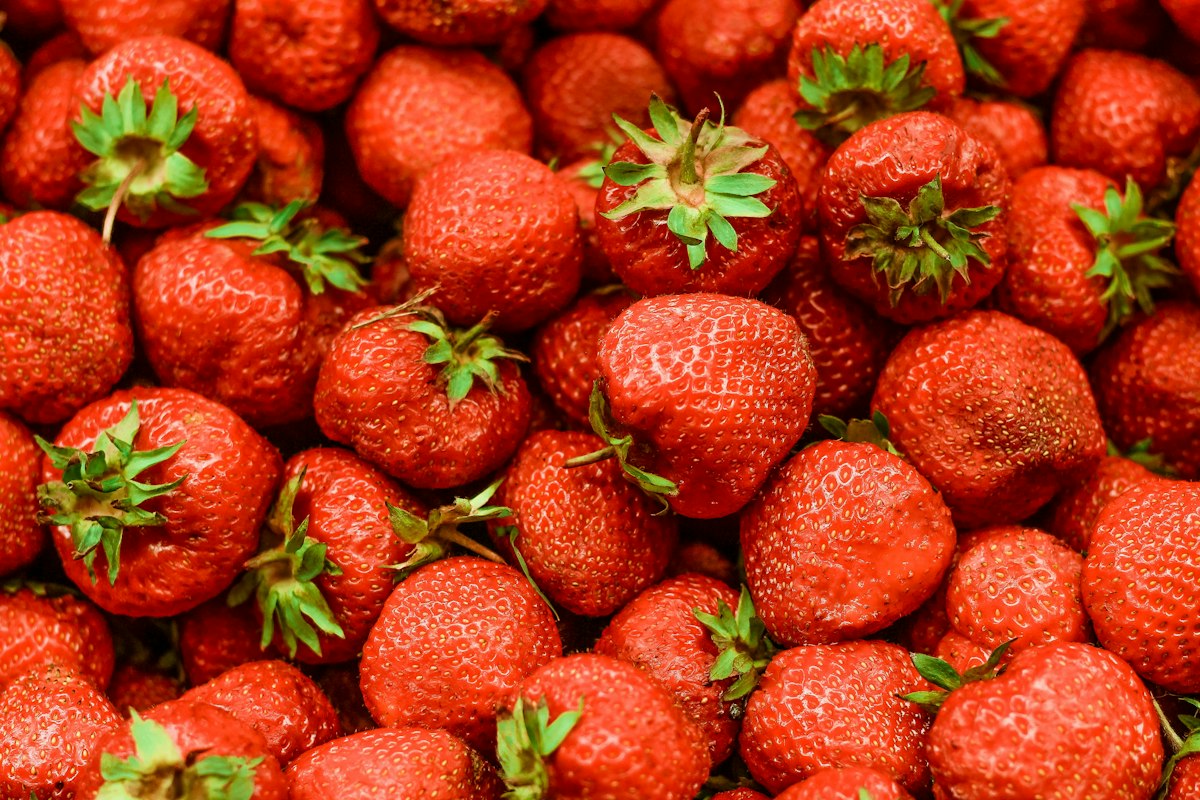
- Sources: Strawberries (primary), apples, persimmons, onions
- Supplement dose range in studies: 100-500 mg/day (intermittent dosing for senolytic effect)
Practical Strategies for Increasing Polyphenol Intake
Daily Polyphenol-Rich Diet
A practical approach to achieving approximately 500+ mg of daily flavonoid intake:
Morning:
- Green or black tea (catechins, theaflavins)
- Berries with breakfast (anthocyanins, ellagitannins)
- Coffee (chlorogenic acid)
Midday:
- Colorful salad with olive oil dressing (hydroxytyrosol, oleuropein)
- Variety of vegetables (diverse polyphenol classes)
- Nuts as a snack (proanthocyanidins)
Evening:
- Cruciferous or leafy green vegetables
- Legumes (isoflavones, phenolic acids)
- Optional: dark chocolate (70%+ cocoa) for dessert (flavanols)
Maximizing Polyphenol Bioavailability
- Eat diverse sources: Different polyphenol classes are absorbed through different mechanisms
- Pair with healthy fats: Some polyphenols are more bioavailable when consumed with dietary fat
- Consider preparation: Raw or lightly cooked foods often retain more polyphenols
- Gut health matters: A healthy, diverse gut microbiome enhances polyphenol metabolism
- Timing: Spreading polyphenol intake throughout the day may maintain more consistent levels
Limitations and Considerations
Bioavailability Challenges
Most dietary polyphenols have low bioavailability — only a small fraction of ingested polyphenols reaches the bloodstream in their original form. However, microbial metabolites produced in the gut may be more bioavailable and biologically active.
Individual Variability
Response to polyphenol intake varies substantially between individuals due to:
- Gut microbiome composition
- Genetic polymorphisms affecting metabolism
- Age-related changes in absorption and metabolism
- Overall dietary context
Evidence Quality
While epidemiological data linking polyphenol intake to health outcomes is compelling, randomized controlled trials with hard endpoints (mortality, disease incidence) are limited. Most clinical studies have used biomarker endpoints rather than direct health outcomes.
Potential Interactions
High-dose polyphenol supplements may interact with medications (as discussed in the supplement interactions safety guide). Dietary polyphenol intake from whole foods is generally considered safe.
Key Takeaways
Polyphenols represent a diverse family of plant compounds with multiple potential mechanisms for influencing the aging process. The strongest evidence comes from epidemiological studies showing that polyphenol-rich diets are associated with reduced mortality and disease risk, combined with mechanistic research demonstrating effects on oxidative stress, inflammation, cellular senescence, and metabolic health.
For practical purposes, a diet rich in diverse polyphenol sources — berries, tea, olive oil, nuts, vegetables, and moderate dark chocolate — may provide meaningful support for healthy aging. This dietary approach aligns with patterns observed in the world’s longest-lived populations and is supported by a substantial body of research.
While targeted polyphenol supplements are being investigated for specific applications (particularly quercetin and fisetin as senolytics), whole food sources remain the recommended foundation for polyphenol intake. The synergistic effects of multiple polyphenols consumed together through a varied diet likely provide benefits that individual supplements cannot fully replicate.
Frequently Asked Questions
What are polyphenols and why do they matter for aging?
What are the best sources of polyphenols for longevity?
Can polyphenol supplements replace a polyphenol-rich diet?
Sources
Stay Updated on Longevity Science
Weekly research digests. No spam, unsubscribe anytime.
Related Articles
Science-Backed Anti-Aging Foods: What to Eat
Discover the top science-backed anti-aging foods that may slow biological aging, from berries to leafy greens and fatty fish.
9 min read
Anti-Inflammatory Diet and Aging: Research-Backed Strategies
Explore the science behind anti-inflammatory diets and their role in mitigating inflammaging, promoting healthspan, and supporting longevity.
12 min read
Autophagy, Fasting, and Nutrition: A Research-Based Guide
Explore the science of autophagy, the body's cellular recycling process, and how fasting and specific nutritional strategies may support healthy aging and longevity.
12 min read