Polyphenol-Rich Foods for Longevity: A Complete Guide to the Best Sources
Discover the top polyphenol-rich foods linked to longevity. Learn which fruits, vegetables, and beverages may support healthy aging.
Table of Contents
DISCLAIMER
This article is for informational purposes only and does not constitute medical advice. The statements in this article have not been evaluated by the FDA. The information presented is based on published research and should not be used as a substitute for professional medical guidance. Consult your physician before starting any supplement or health protocol.
Nature’s Anti-Aging Pharmacy
Polyphenols represent one of the most abundant and diverse groups of bioactive compounds in the human diet. Found in fruits, vegetables, tea, coffee, wine, chocolate, and many other plant-based foods, these compounds have attracted enormous research interest for their potential roles in promoting healthy aging and reducing disease risk.
What makes polyphenols particularly fascinating for longevity science is their ability to influence multiple aging pathways simultaneously. Research suggests they may modulate inflammation, protect against oxidative damage, support cardiovascular health, improve metabolic function, and even influence gene expression through epigenetic mechanisms.
How Polyphenols May Support Longevity
Antioxidant and Anti-Inflammatory Effects
Polyphenols are potent antioxidants that may help neutralize reactive oxygen species (ROS) and reduce oxidative damage to cells, DNA, and proteins. Beyond direct antioxidant activity, many polyphenols activate the body’s endogenous antioxidant defense systems through the Nrf2 pathway.
The anti-inflammatory properties of polyphenols may be equally important for aging. Research indicates that polyphenols may inhibit NF-kB signaling, reduce pro-inflammatory cytokine production, and modulate inflammatory enzyme activity. Given that chronic inflammation (inflammaging) is considered a primary driver of biological aging, these properties are highly relevant.
Cardiovascular Protection
Cardiovascular disease remains the leading cause of death globally, and polyphenol-rich diets have been consistently associated with reduced cardiovascular risk. Mechanisms may include:
- Improved endothelial function and nitric oxide production
- Reduced LDL oxidation
- Blood pressure regulation
- Antiplatelet effects
- Improved arterial flexibility
A 2013 review in Nutrients detailed the cardiovascular benefits of dietary polyphenols across multiple population studies, finding consistent associations between higher polyphenol intake and reduced cardiovascular mortality.
Gut Microbiome Modulation
Emerging research reveals that polyphenols have a bidirectional relationship with the gut microbiome. Many polyphenols are poorly absorbed in the upper gastrointestinal tract and reach the colon, where gut bacteria metabolize them into bioactive compounds. These metabolites may be responsible for many of the health benefits attributed to polyphenols.
In turn, polyphenols may act as prebiotics, promoting the growth of beneficial bacteria and inhibiting harmful species. Given the growing evidence linking gut microbiome composition to aging, polyphenols’ microbiome effects may be an important component of their longevity benefits.
Senolytic Activity
Several polyphenols, including quercetin and fisetin, have demonstrated senolytic properties — the ability to selectively eliminate senescent zombie cells. Other polyphenols may act as senomorphics, modifying the harmful secretory profile of senescent cells without killing them. This represents a particularly exciting avenue for polyphenol research in the context of aging.
Top Polyphenol-Rich Foods for Longevity
Berries
Berries are among the most polyphenol-dense foods available:
Blueberries: Rich in anthocyanins and pterostilbene, blueberries have been extensively studied for cognitive and cardiovascular benefits. Research suggests regular blueberry consumption may improve memory, reduce blood pressure, and enhance vascular function.
Blackberries and Raspberries: High in ellagic acid and anthocyanins, these berries may offer anti-inflammatory and anticancer properties.
Strawberries: Contain fisetin, a polyphenol with demonstrated senolytic potential, along with ellagic acid and anthocyanins.
Acai Berries: Exceptionally high in anthocyanins, acai berries have shown potent antioxidant activity in laboratory studies.
Beverages
Green Tea: Contains catechins, particularly EGCG (epigallocatechin gallate), which has been extensively studied for anti-aging properties. Population studies in Japan have associated regular green tea consumption with reduced mortality risk.
Coffee: One of the largest sources of polyphenols in Western diets, coffee contains chlorogenic acids and other phenolic compounds. Multiple large studies have associated moderate coffee consumption with reduced mortality and lower risk of several diseases.
Red Wine (moderate): Contains resveratrol and other stilbenes, along with anthocyanins and proanthocyanidins. The polyphenol content of red wine has been proposed as one explanation for the French Paradox. However, the health risks of alcohol must be weighed against any polyphenol benefits.
Cocoa and Dark Chocolate: Rich in flavanols, particularly epicatechin, which has been linked to improved cardiovascular function and blood flow. Higher cacao content generally means higher polyphenol content.
Fruits
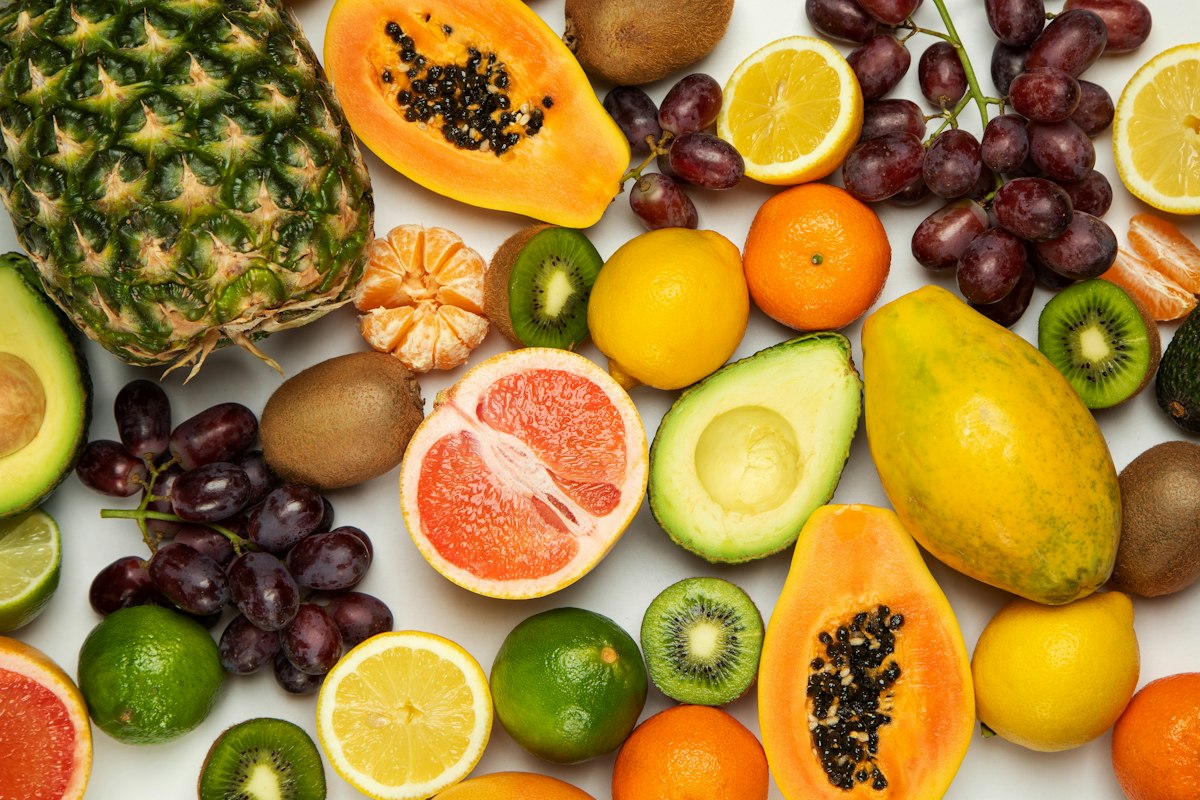
Pomegranates: Contain ellagitannins that are converted by gut bacteria into urolithin A, a compound that may promote mitophagy (mitochondrial recycling) and has shown anti-aging effects in clinical studies.
Grapes (especially dark varieties): Rich in resveratrol, anthocyanins, and proanthocyanidins. Grape seed extract is a concentrated source of oligomeric proanthocyanidins (OPCs).
Cherries: High in anthocyanins and have demonstrated anti-inflammatory and antioxidant effects. Tart cherries may also support sleep quality through melatonin content.
Citrus Fruits: Contain hesperidin, naringenin, and other flavanones with cardiovascular and anti-inflammatory benefits.
Vegetables and Legumes
Red Onions: Rich in quercetin, one of the most studied polyphenols with anti-inflammatory and senolytic properties.
Broccoli and Cruciferous Vegetables: While not the highest in total polyphenols, cruciferous vegetables contain sulforaphane-related compounds and various flavonoids with potent anti-aging effects.
Artichokes: Among the highest polyphenol-containing vegetables, rich in chlorogenic acid and flavonoids.
Black Beans and Lentils: Contain significant amounts of anthocyanins and phenolic acids, along with beneficial fiber and protein.
Nuts and Seeds
Walnuts: The highest polyphenol nut, containing ellagitannins and other phenolic compounds. Regular walnut consumption has been associated with improved cardiovascular health and cognitive function.
Pecans: Rich in procyanidins and ellagic acid with potent antioxidant activity.
Flaxseeds: One of the richest sources of lignans, a class of polyphenols with estrogen-modulating and anti-inflammatory properties.
Spices and Herbs
Turmeric: Contains curcumin, one of the most studied polyphenols with anti-inflammatory and potential senolytic effects.
Oregano: One of the highest polyphenol-containing herbs, rich in rosmarinic acid and carvacrol.
Cinnamon: Contains proanthocyanidins and has shown blood sugar-lowering and anti-inflammatory effects in studies.
Cloves: Exceptionally high in total polyphenol content, particularly eugenol and gallic acid.
Maximizing Polyphenol Benefits
Diversity Is Key
Different polyphenol classes have different biological activities. Consuming a wide variety of polyphenol-rich foods may provide more comprehensive benefits than focusing on a single source. Aim for color diversity on your plate, as different colors often indicate different polyphenol profiles.
Preparation Methods
How you prepare polyphenol-rich foods may affect their bioavailability:
- Cooking: Some polyphenols are heat-sensitive, while others become more bioavailable with cooking. Gentle steaming tends to preserve polyphenols better than boiling.
- Fat pairing: Some polyphenols (particularly carotenoids) are better absorbed when consumed with dietary fat.
- Fermentation: Fermented foods like tempeh, kimchi, and kombucha may contain transformed polyphenols with enhanced bioactivity.
Combining With Fats and Fiber
Eating polyphenol-rich foods alongside healthy fats and fiber may enhance their absorption and extend their time in the digestive tract, allowing for more complete metabolism by gut bacteria.
Freshness and Storage
Polyphenol content may decline during storage. Choosing fresh, seasonal produce and frozen options (which are typically frozen shortly after harvest) may help maximize polyphenol intake.
The Blue Zones Connection
It is notable that the diets of Blue Zone populations — regions with the highest concentrations of centenarians — are characteristically rich in polyphenols. The Okinawan diet features green tea and sweet potatoes, the Mediterranean diet emphasizes olive oil and red wine, and the Nicoya diet includes abundant tropical fruits. While polyphenols are just one component of these dietary patterns, their consistent presence across longevity hotspots is noteworthy.
The Bottom Line
Polyphenol-rich foods represent one of the most accessible and enjoyable approaches to nutritional anti-aging. The research linking dietary polyphenols to reduced disease risk, improved metabolic health, and potentially slower biological aging is substantial and growing.
Rather than focusing on any single superpolyphenol, research suggests that a diverse, colorful, plant-rich diet provides the broadest spectrum of benefits. Emphasizing berries, green tea, colorful vegetables, nuts, herbs, and other polyphenol-dense foods may support healthy aging through multiple complementary mechanisms.
As always, dietary changes should complement, not replace, other evidence-based health practices. Consult your healthcare provider for personalized nutritional guidance.
Frequently Asked Questions
What are polyphenols?
How many polyphenols should you eat daily?
Are polyphenol supplements as effective as food sources?
Sources
Stay Updated on Longevity Science
Weekly research digests. No spam, unsubscribe anytime.
Related Articles
AGEs in Your Diet: How Advanced Glycation End Products Accelerate Aging
Advanced glycation end products in food may accelerate aging. Learn which foods are highest in AGEs and how cooking methods affect your aging rate.
9 min read
Anti-Aging Breakfast Ideas: Start Your Day With Longevity-Supporting Foods
Science-backed anti-aging breakfast ideas that support longevity. Learn which morning foods may promote healthy aging through nutrition research.
8 min read
Science-Backed Anti-Aging Foods: What to Eat
Discover the top science-backed anti-aging foods that may slow biological aging, from berries to leafy greens and fatty fish.
9 min read