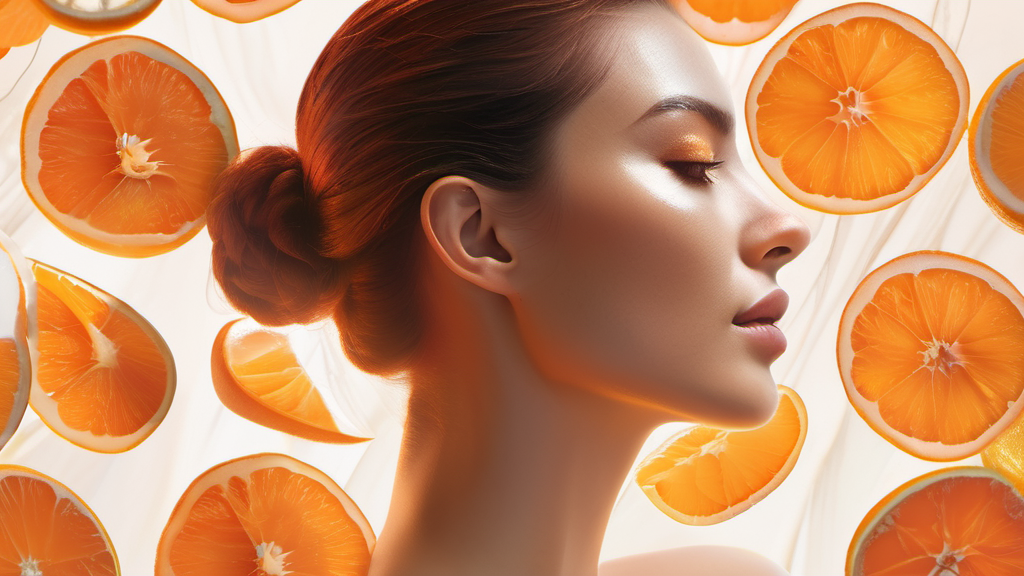
Does Vitamin C Really Slow Skin Aging?
Vitamin C is a staple of anti-aging skincare, but the evidence is more nuanced than marketing suggests. Here's what research actually shows about its role in skin aging.
Table of Contents
DISCLAIMER
This article is for informational purposes only and does not constitute medical advice. The statements in this article have not been evaluated by the FDA. The information presented is based on published research and should not be used as a substitute for professional medical guidance. Consult your physician before starting any supplement or health protocol.
The collagen connection
Vitamin C is a cofactor for prolyl and lysyl hydroxylase, enzymes that stabilize collagen’s triple helix. Without adequate vitamin C, collagen synthesis falters—a fact established by scurvy research. In skin, this mechanism suggests vitamin C may support collagen production, but topical absorption is limited by the stratum corneum. Studies indicate that formulations with high concentrations and low pH may improve delivery, though evidence for visible anti-aging effects remains mixed.
Antioxidant protection
As a water-soluble antioxidant, vitamin C neutralizes reactive oxygen species generated by UV exposure. Research suggests it may mitigate oxidative damage to DNA and lipids in skin cells. However, its efficacy depends on penetration and stability; many cosmetic products contain derivatives with uncertain conversion to active ascorbic acid. Clinical trials show modest improvements in erythema and photoaging scores, but effects are often smaller than those of sunscreens.
Sunscreen synergy
Vitamin C may enhance UV protection when combined with sunscreen, but it is not a substitute. A randomized trial found that topical vitamin C plus sunscreen reduced sunburn cells compared to sunscreen alone. This synergy is plausible because antioxidants quench free radicals that sunscreens cannot block. Still, the evidence for long-term wrinkle reduction is limited and inconsistent.
Oral intake and skin
Dietary vitamin C is essential for normal skin function, but whether high doses improve aging skin is unclear. Observational studies link higher intake to fewer wrinkles, yet confounding by overall diet quality is likely. Intervention trials with oral vitamin C are scarce, and no strong evidence supports megadoses for skin benefits. A balanced diet providing the recommended intake is a reasonable approach.
Formulation matters
Topical vitamin C efficacy hinges on formulation: concentration, pH, and packaging. L-ascorbic acid at 10–20% and pH below 3.5 is well-studied, but stability is poor. Derivatives like magnesium ascorbyl phosphate are more stable but require conversion. Research suggests some derivatives may not effectively increase skin vitamin C levels. For consumers, choosing a well-formulated product matters more than the label claim.
What the evidence supports
Overall, research suggests vitamin C may modestly improve skin appearance and protect against oxidative stress, but it is not a cure for aging. It works best as part of a comprehensive approach including sun protection and a healthy diet. Claims of dramatic reversal are overstated; the evidence points to supportive, not transformative, effects.
This article summarises published research and is not medical advice. Consult your healthcare provider before changing your routine.
Frequently Asked Questions
Does topical vitamin C really reduce wrinkles?
Is oral vitamin C effective for skin aging?
What form of vitamin C is best for skin?
Sources
Stay Updated on Longevity Science
Weekly research digests. No spam, unsubscribe anytime.
Related Articles
Science-Backed Anti-Aging Foods: What to Eat
Discover the top science-backed anti-aging foods that may slow biological aging, from berries to leafy greens and fatty fish.
9 min read
Anti-Inflammatory Diet and Aging: Research-Backed Strategies
Explore the science behind anti-inflammatory diets and their role in mitigating inflammaging, promoting healthspan, and supporting longevity.
12 min read
Autophagy, Fasting, and Nutrition: A Research-Based Guide
Explore the science of autophagy, the body's cellular recycling process, and how fasting and specific nutritional strategies may support healthy aging and longevity.
12 min read