Collagen Peptides May Improve Skin Elasticity, But Not Reverse Aging
Oral collagen peptides show modest skin-hydration and elasticity effects in randomized trials, but claims of reversing skin aging outrun the measured outcomes.
Table of Contents
DISCLAIMER
This article is for informational purposes only and does not constitute medical advice. The statements in this article have not been evaluated by the FDA. The information presented is based on published research and should not be used as a substitute for professional medical guidance. Consult your physician before starting any supplement or health protocol.
What the trials actually measured
Oral collagen peptide products are marketed as skin-rejuvenating. The clinical literature is narrower than the marketing. A 2021 systematic review in the International Journal of Dermatology pooled randomized controlled trials of oral collagen supplementation and found small, heterogeneous improvements in skin hydration and elasticity, with most trials lasting 8 to 12 weeks and enrolling fewer than 100 participants. The authors flagged high risk of bias and inconsistent outcome measures.
The proposed mechanism is indirect
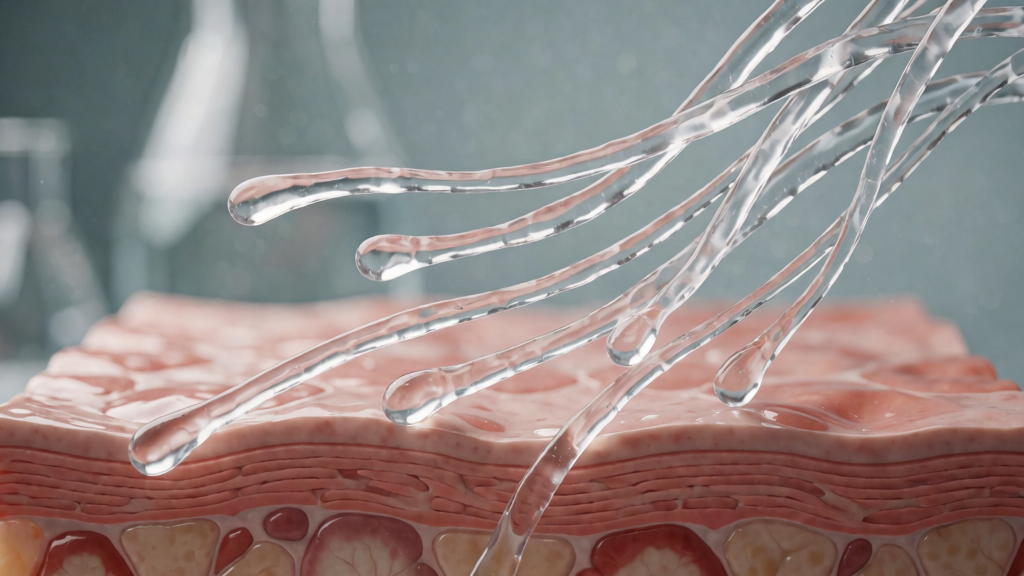
Collagen is a protein. After ingestion, it is hydrolyzed into dipeptides and tripeptides, including prolyl-hydroxyproline, which can be detected in plasma. Research suggests these peptides may act as signaling molecules that stimulate fibroblast activity rather than being incorporated intact into the dermis. That distinction matters: the supplement is not a patch for the skin, and the effect size in trials is modest.
Dose and form are not settled
Trials have used daily doses ranging roughly from 2.5 g to 10 g of collagen peptides, often derived from bovine or porcine sources, and occasionally from fish. A 2019 randomized, placebo-controlled, double-blind study in Skin Pharmacology and Physiology reported improved skin elasticity and hydration after 12 weeks of a specific collagen peptide product, but the result applies to that product and dose, not to collagen as a category. Formulation, molecular weight, and source vary widely across commercial products.
What the evidence does not show
Collagen peptides have not been shown to reverse photoaging, erase wrinkles, or restore collagen density to youthful levels. The measured endpoints in most trials are instrumental measures such as corneometry for hydration and cutometry for elasticity. These are real outcomes, but they are not the same as structural regeneration. A 2023 review in Nutrients concluded that evidence supports a role for collagen peptides in skin health, while noting that long-term data and standardized protocols remain limited.
Practical framing
For readers considering oral collagen, the defensible claim is that some peptide products may modestly improve skin hydration and elasticity over weeks to months in controlled settings. The effect is not a cure for skin aging, and individual response varies. Protein intake, sun exposure, and topical care remain the better-established levers. Collagen peptides are a reasonable adjunct, not a replacement for those fundamentals.
This article summarises published research and is not medical advice. Consult your healthcare provider before changing your routine.
Frequently Asked Questions
Does oral collagen actually reach the skin?
How long do trials last?
Is collagen a cure for wrinkles?
Sources
- International Journal of Dermatology — Oral collagen supplementation systematic review(2026)
- Skin Pharmacology and Physiology — Randomized controlled trial of collagen peptides(2026)
- Nutrients — Collagen peptides and skin health review(2026)
- PubMed — Collagen peptides bioavailability and mechanism(2026)
Stay Updated on Longevity Science
Weekly research digests. No spam, unsubscribe anytime.
Related Articles

Science-Backed Anti-Aging Foods: What to Eat
Discover the top science-backed anti-aging foods that may slow biological aging, from berries to leafy greens and fatty fish.
9 min read
Anti-Inflammatory Diet and Aging: Research-Backed Strategies
Explore the science behind anti-inflammatory diets and their role in mitigating inflammaging, promoting healthspan, and supporting longevity.
12 min read
Astaxanthin May Support Skin and Eye Health, But Longevity Claims Outrun?
Astaxanthin is a carotenoid with antioxidant and anti-inflammatory activity. Trials suggest modest skin and eye benefits, but human longevity data remain thin.
8 min read