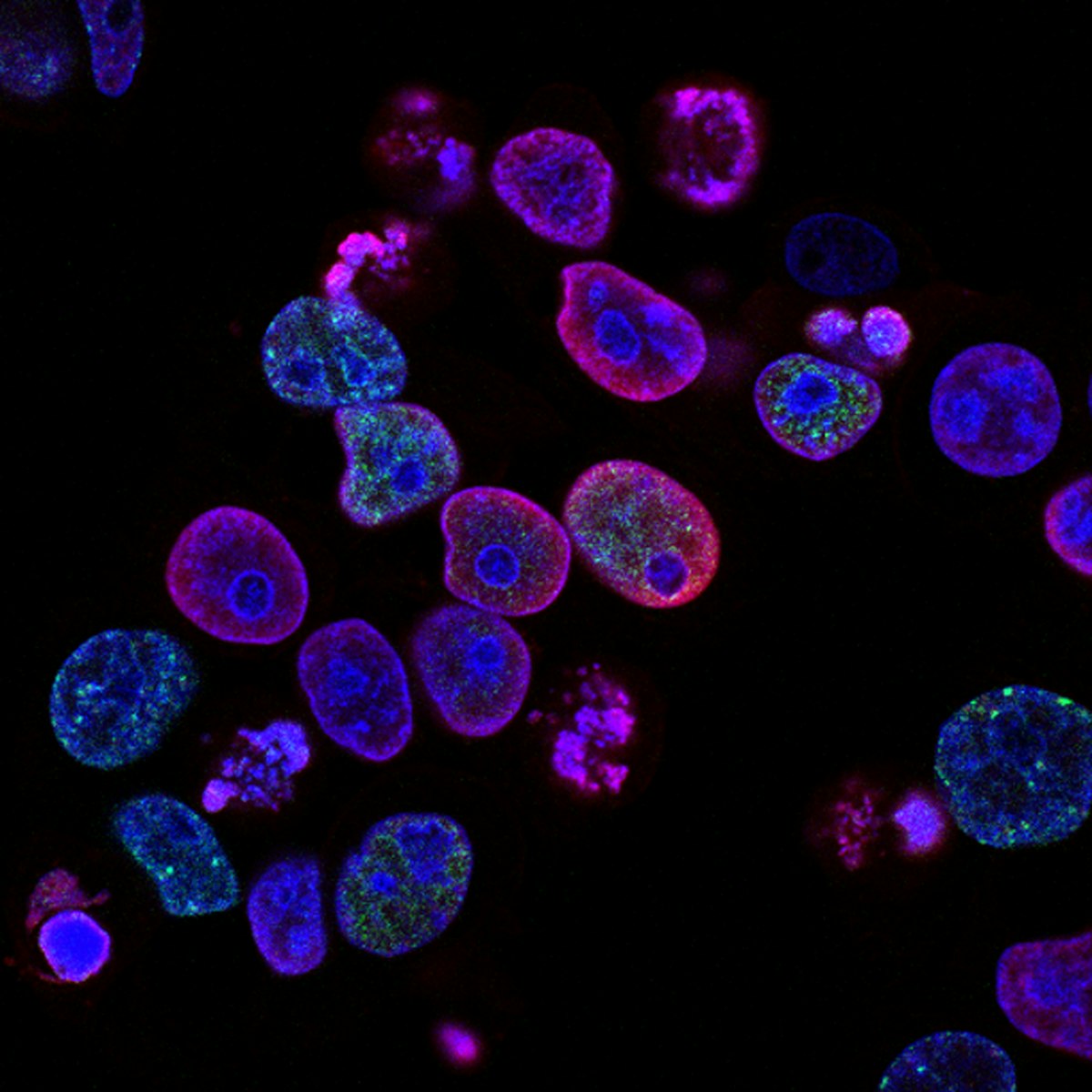
Autophagy, Fasting, and Nutrition: A Research-Based Guide
Explore the science of autophagy, the body's cellular recycling process, and how fasting and specific nutritional strategies may support healthy aging and longevity.
Table of Contents
DISCLAIMER
This article is for informational purposes only and does not constitute medical advice. The statements in this article have not been evaluated by the FDA. The information presented is based on published research and should not be used as a substitute for professional medical guidance. Consult your physician before starting any supplement or health protocol.
In the quest for extended healthspan and longevity, scientific research continues to unravel the intricate mechanisms governing cellular aging. Among these, a fundamental biological process known as autophagy has garnered significant attention. Derived from Greek words meaning “self-eating,” autophagy represents the body’s sophisticated cellular recycling system, essential for maintaining cellular health, adaptability, and resilience against the ravages of time.
At AgainYoung, we delve into the science-backed strategies that may contribute to a longer, healthier life. This comprehensive guide explores the fascinating world of autophagy, examining how various forms of fasting and specific nutritional interventions appear to influence this crucial pathway. We will navigate the research, discuss practical applications, and provide actionable insights for those looking to harness the potential benefits of autophagy for anti-aging and overall well-being.
What is Autophagy? The Body’s Cellular Housekeeping System
Autophagy is a catabolic process conserved across all eukaryotic organisms, playing a critical role in cellular homeostasis. It involves the orderly degradation and recycling of damaged organelles, misfolded proteins, and intracellular pathogens (Mizushima et al., 2014; PMID: 24706786). Imagine your cells constantly cleaning house, identifying and dismantling worn-out or defective components, then reusing their molecular building blocks to synthesize new, healthy ones. This continuous renewal is vital for cellular function and survival.
The process typically begins with the formation of a double-membraned vesicle, called an autophagosome, which engulfs the cellular debris. This autophagosome then fuses with a lysosome, an organelle filled with digestive enzymes. Inside the autolysosome, the engulfed material is broken down into its basic constituents, such as amino acids, fatty acids, and nucleotides, which are then released back into the cytoplasm for reuse.
The discovery of the genes essential for autophagy earned Japanese cell biologist Dr. Yoshinori Ohsumi the Nobel Prize in Physiology or Medicine in 2016, highlighting its profound importance in biology and medicine. His pioneering work, primarily in yeast, laid the foundation for understanding this complex pathway in higher organisms, including humans.
Why Does Autophagy Matter for Longevity?
As we age, cellular machinery can become less efficient, leading to an accumulation of damaged proteins and dysfunctional organelles. This cellular “junk” can impair cellular function, contribute to oxidative stress, and accelerate the aging process. Research suggests that a decline in autophagic activity is a hallmark of aging and is implicated in the pathogenesis of various age-related diseases (Levine & Kroemer, 2017; PMID: 29775990).
By maintaining robust autophagic flux, cells may be better equipped to:
- Remove toxic aggregates: Prevent the buildup of misfolded proteins associated with neurodegenerative disorders like Alzheimer’s and Parkinson’s diseases.
- Renew organelles: Replace old, inefficient mitochondria with new ones, improving cellular energy production.
- Combat infections: Eliminate intracellular bacteria and viruses.
- Enhance stress resistance: Help cells cope with various stressors, including nutrient deprivation and oxidative stress.
- Modulate inflammation: Influence immune responses and reduce chronic low-grade inflammation, a driver of aging.
Therefore, strategies that support or enhance autophagic activity are of significant interest in the field of longevity research.
How Does Autophagy Contribute to Health and Longevity?
The intricate dance of cellular components regulated by autophagy appears to exert widespread influence on various physiological systems, potentially impacting healthspan and lifespan. Its role extends beyond mere waste removal, touching upon critical aspects of metabolic regulation, immune function, and neurological health.
Cellular Rejuvenation and Stress Resilience
One of the most compelling aspects of autophagy’s contribution to longevity is its capacity for cellular rejuvenation. By selectively degrading and recycling damaged cellular components, autophagy facilitates the renewal of cellular machinery. This process is particularly vital for mitochondria, the powerhouses of the cell. Dysfunctional mitochondria produce harmful reactive oxygen species (ROS) and contribute to cellular senescence. Autophagy, through a specialized process called mitophagy, selectively removes these damaged mitochondria, promoting the growth of new, healthy ones and maintaining efficient energy production (Levine & Kroemer, 2017; PMID: 29775990). This renewal process may enhance cellular resilience against various forms of stress, including oxidative stress and nutrient deprivation, which are common challenges cells face throughout life.
Potential Links to Neuroprotection
Accumulation of misfolded proteins is a hallmark of several neurodegenerative diseases, including Alzheimer’s, Parkinson’s, and Huntington’s diseases. Research suggests that impaired autophagy may contribute to the pathology of these conditions by failing to clear these toxic protein aggregates (Rubinsztein et al., 2019; PMID: 31805988). By enhancing autophagic activity, it is hypothesized that the brain’s cells might be better able to clear these harmful proteins, potentially slowing disease progression or even offering a protective effect. Studies in animal models have shown that stimulating autophagy can reduce neurodegeneration and improve cognitive function, though human trials are still in early stages.
Cardiovascular and Metabolic Health
Autophagy appears to play a crucial role in maintaining cardiovascular health. It is involved in regulating lipid metabolism, reducing inflammation in blood vessels, and protecting cardiac cells from stress. Dysregulated autophagy has been linked to conditions such as atherosclerosis, heart failure, and hypertension. Similarly, in metabolic health, autophagy is involved in maintaining glucose homeostasis and insulin sensitivity. It helps in the proper functioning of pancreatic beta cells, which produce insulin, and also influences adipocyte (fat cell) function. Impaired autophagy has been associated with insulin resistance and the development of type 2 diabetes. Strategies that promote autophagy may therefore offer potential benefits for preventing or managing metabolic syndrome and related cardiovascular complications.
Immune Function and Inflammation Modulation
The immune system heavily relies on autophagy for its proper functioning. Autophagy can directly eliminate intracellular pathogens, a process known as xenophagy. It also participates in antigen presentation, a critical step for initiating adaptive immune responses. Furthermore, autophagy plays a role in regulating inflammatory responses. By clearing damaged cellular components and preventing the release of pro-inflammatory signals, it may help to dampen chronic low-grade inflammation, a significant contributor to age-related diseases. Maintaining a balanced autophagic flux is thought to be essential for a robust and well-regulated immune system throughout life.
Autophagy and Cancer Prevention
The relationship between autophagy and cancer is complex and context-dependent. In early stages, autophagy is generally considered a tumor-suppressive mechanism, clearing damaged cells and preventing the accumulation of mutations that could lead to cancer. However, once cancer is established, tumor cells may hijack autophagy to survive stressful conditions, resist chemotherapy, and promote growth. Therefore, modulating autophagy for cancer prevention or treatment is a delicate balance, and research is ongoing to understand when and how to target this pathway effectively in an oncological context. For general longevity and disease prevention, promoting basal autophagy is generally viewed as beneficial.
Key Regulators of Autophagy: mTOR and AMPK
At the heart of autophagy regulation are two central cellular energy sensors: mammalian Target of Rapamycin (mTOR) and AMP-activated protein kinase (AMPK). These two pathways act as a critical switch, determining whether a cell is in an anabolic (growth and building) or catabolic (breakdown and recycling) state.
mTOR (mammalian Target of Rapamycin): The Growth Pathway
mTOR is a protein kinase that acts as a central hub for sensing nutrient availability, growth factors, and energy status. When nutrients (especially amino acids and glucose) are abundant and energy levels are high, mTOR is activated. An active mTOR pathway promotes cell growth, protein synthesis, and lipid synthesis, essentially signaling the cell to “grow and divide.” Conversely, when mTOR is highly active, it inhibits autophagy. This makes intuitive sense: if resources are plentiful, the cell prioritizes building new components rather than recycling old ones. Inhibiting mTOR, therefore, is a well-established strategy for inducing autophagy.
AMPK (AMP-activated protein kinase): The Energy Stress Pathway
AMPK, on the other hand, is activated when cellular energy levels are low, typically indicated by a high AMP-to-ATP ratio (adenosine monophosphate to adenosine triphosphate). AMPK acts as a metabolic master switch, sensing energy stress and orchestrating a response to restore energy balance. When activated, AMPK promotes catabolic processes that generate ATP, such as fatty acid oxidation and glucose uptake, while inhibiting energy-consuming anabolic processes. Crucially, activated AMPK stimulates autophagy. This mechanism allows the cell to break down and recycle its own components to generate energy and building blocks when external nutrients are scarce.
The Dynamic Balance
The interplay between mTOR and AMPK creates a dynamic balance that dictates the cell’s metabolic state. In conditions of nutrient abundance, mTOR dominates, suppressing autophagy and promoting growth. During periods of nutrient deprivation or energy stress, AMPK becomes activated, inhibiting mTOR and simultaneously activating autophagy to maintain cellular homeostasis and provide essential resources. Understanding this intricate regulatory network is key to developing strategies that can effectively modulate autophagy for health and longevity.
How Can Fasting Induce Autophagy?
Fasting is arguably the most well-researched and direct method to induce autophagy. When the body enters a fasted state, it experiences a shift from relying on external glucose for energy to utilizing stored fat and, critically, cellular components through autophagy. This metabolic switch triggers the cellular energy sensors, primarily activating AMPK and inhibiting mTOR, thereby initiating the autophagic process (Mizushima et al., 2010; PMID: 24048020).
The Core Mechanism: Nutrient Deprivation
The primary driver of autophagy during fasting is nutrient deprivation. When food intake ceases, several key physiological changes occur:
- Reduced Insulin Levels: Insulin, a hormone released in response to food intake, is a major anabolic signal that inhibits autophagy. Fasting leads to a significant drop in insulin, removing this inhibitory signal.
- Increased Glucagon Levels: As insulin levels fall, glucagon levels rise. Glucagon is a catabolic hormone that promotes the breakdown of glycogen (stored glucose) and fat, and it also appears to directly stimulate autophagy in some tissues.
- Activation of AMPK: With diminishing glucose availability, cellular ATP levels may drop, leading to an increase in AMP. This activates AMPK, which then signals the cell to initiate autophagy to generate energy and recycle cellular components.
- Inhibition of mTOR: AMPK activation directly inhibits mTOR, further removing a key brake on the autophagic process.
Types of Fasting and Their Autophagy-Inducing Potential
Different fasting protocols may induce varying degrees of autophagy, depending on their duration and intensity.
| Fasting Method | Description
Frequently Asked Questions
What is autophagy?
How quickly does fasting induce autophagy?
Are there any risks associated with autophagy-inducing strategies?
Sources
- Autophagy at a Glance(2014)
- Autophagy in the pathogenesis of disease(2017)
- Effects of time-restricted eating on health, body composition, and aging in humans(2020)
- Spermidine: a novel autophagy inducer and longevity enhancer(2014)
- Autophagy and its modulation in neurodegenerative diseases(2019)
- Autophagy in mammals: a key process in response to nutrient deprivation(2010)
- Fasting, Circadian Rhythms, and Time-Restricted Feeding in Healthy Lifespan(2019)
- Time-Restricted Eating in the Prevention and Treatment of Metabolic Diseases(2018)
Stay Updated on Longevity Science
Weekly research digests. No spam, unsubscribe anytime.
Related Articles

Science-Backed Anti-Aging Foods: What to Eat
Discover the top science-backed anti-aging foods that may slow biological aging, from berries to leafy greens and fatty fish.
9 min read
Anti-Inflammatory Diet and Aging: Research-Backed Strategies
Explore the science behind anti-inflammatory diets and their role in mitigating inflammaging, promoting healthspan, and supporting longevity.
12 min read
Blue Zones Diet Secrets: What Centenarians Eat
Explore the dietary patterns of the world's longest-lived populations in Blue Zones, the science behind their food choices, and how to apply their eating habits.
9 min read