AGEs in Your Diet: How Advanced Glycation End Products Accelerate Aging
Advanced glycation end products in food may accelerate aging. Learn which foods are highest in AGEs and how cooking methods affect your aging rate.
Table of Contents
DISCLAIMER
This article is for informational purposes only and does not constitute medical advice. The statements in this article have not been evaluated by the FDA. The information presented is based on published research and should not be used as a substitute for professional medical guidance. Consult your physician before starting any supplement or health protocol.
The Hidden Aging Accelerator in Your Kitchen
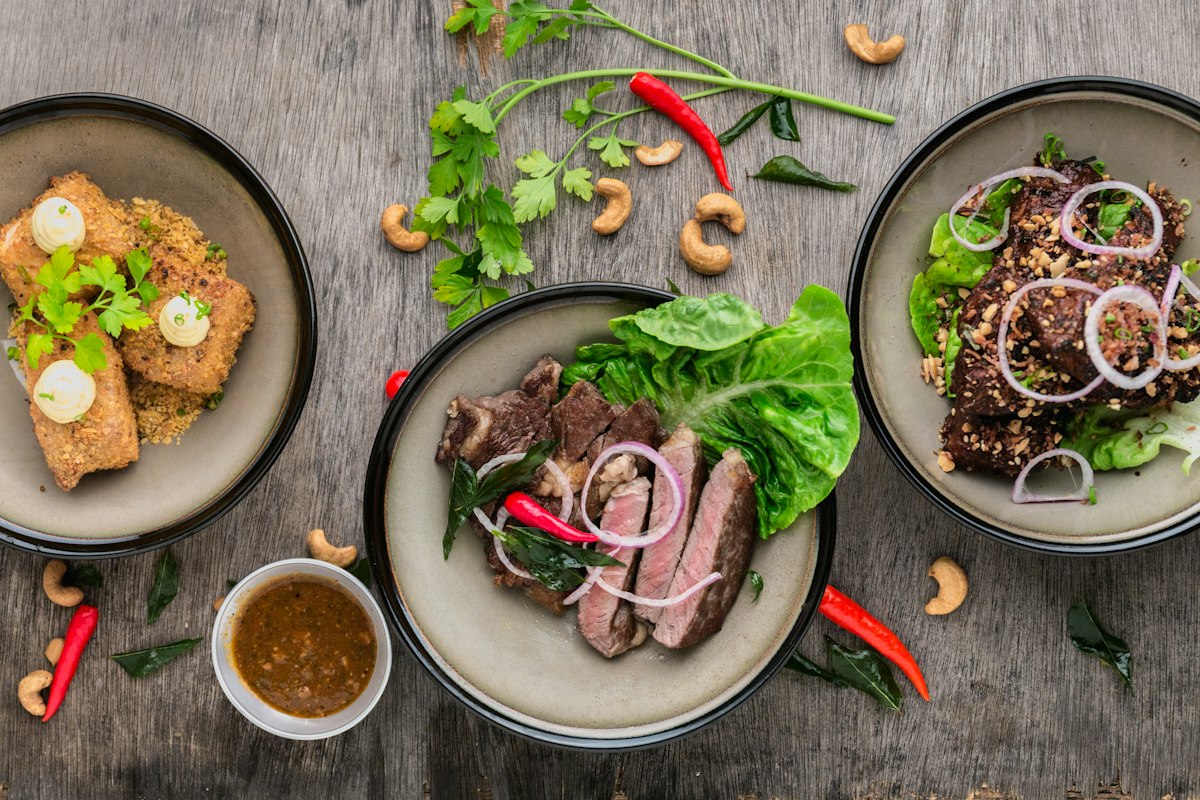
Every time you sear a steak, toast bread, or fry potatoes, you are creating advanced glycation end products (AGEs), compounds that research suggests may accelerate biological aging from the inside out. While the Maillard reaction that produces the appealing brown color and complex flavors of cooked food is a cornerstone of culinary art, the same chemistry produces compounds linked to inflammation, oxidative stress, and tissue damage.
Understanding AGEs and how to minimize them through cooking choices represents one of the most practical and immediate ways to modify your dietary aging impact.
The Science of Glycation
How AGEs Form
AGEs form through the Maillard reaction, a non-enzymatic chemical reaction between reducing sugars (glucose, fructose) and free amino groups on proteins, lipids, or nucleic acids. The process involves several stages:
- Early glycation: Sugar molecules attach to protein amino groups, forming reversible Schiff bases
- Amadori products: Schiff bases rearrange into more stable Amadori products (like HbA1c, used to measure long-term blood sugar)
- Advanced glycation: Through a series of oxidation, dehydration, and cross-linking reactions, Amadori products eventually form irreversible AGEs
Two Sources of AGEs
A 2010 review detailed how AGEs enter the body through two routes:
Endogenous (internal) formation:
- Occurs naturally as part of normal metabolism
- Accelerated by high blood sugar levels (diabetes, metabolic syndrome)
- Increases with age as natural defenses decline
- Contributes to aging of blood vessels, skin, kidneys, and other organs
Exogenous (dietary) formation:
- Created during food preparation, especially high-heat cooking
- Absorbed through the digestive system (estimated 10-30 percent absorption)
- May contribute significantly to total body AGE burden
- Modifiable through cooking method choices
How AGEs Damage the Body
RAGE Receptor Activation
AGEs exert many of their harmful effects through binding to the Receptor for Advanced Glycation End products (RAGE). When AGEs activate RAGE, the receptor triggers:
- NF-kB activation, leading to inflammatory gene expression
- Increased production of reactive oxygen species
- Elevated inflammatory cytokine release (IL-6, TNF-alpha)
- Activation of pro-fibrotic and pro-thrombotic pathways
Cross-Linking
AGEs can form cross-links between proteins, permanently altering their structure and function:
- Collagen cross-linking: Makes skin stiff and wrinkled, blood vessels rigid, and joints inflexible
- Lens protein cross-linking: Contributes to cataracts
- Basement membrane changes: Affects kidney filtration and blood vessel permeability
Oxidative Stress
AGEs promote oxidative stress through:
- Direct generation of reactive oxygen species during their formation
- Inactivation of antioxidant enzymes through glycation
- RAGE-mediated activation of NADPH oxidase
- Mitochondrial dysfunction from glycation of mitochondrial proteins
AGEs and Specific Aging Processes
Skin Aging
Glycation is one of the major drivers of skin aging:
- Cross-linked collagen loses elasticity and becomes brittle
- Glycated elastin loses its ability to stretch and recoil
- AGE accumulation in skin correlates with visible aging signs
- Skin autofluorescence (a measure of tissue AGE accumulation) predicts biological age
Vascular Aging
AGEs are particularly damaging to the cardiovascular system:
- Endothelial dysfunction from RAGE activation
- Arterial stiffness from collagen cross-linking in vessel walls
- Promotion of atherosclerotic plaque formation
- Increased vascular calcification
Kidney Aging
The kidneys are both targets of AGE damage and responsible for AGE clearance:
- AGEs accumulate in kidney tissue with age
- They contribute to glomerular basement membrane thickening
- Reduced kidney function impairs AGE clearance, creating a vicious cycle
- Diabetes-related kidney damage involves significant AGE accumulation
Brain Aging
AGEs may contribute to cognitive aging through:
- Neuroinflammation via RAGE activation on microglia
- Cross-linking of structural brain proteins
- Impairment of synaptic function
- Potential role in protein aggregation disorders
Dietary AGE Content of Foods
High-AGE Foods
A 2015 comprehensive database of food AGE content revealed that the highest-AGE foods include:
| Food | AGE Content (kU per serving) |
|---|---|
| Bacon, fried | 11,905 |
| Chicken breast, grilled | 5,828 |
| Steak, grilled | 7,416 |
| French fries | 1,522 |
| Roasted nuts | 6,730 |
| Butter, browned | 1,683 |
| Cheese, processed | 2,603 |
Low-AGE Foods
| Food | AGE Content (kU per serving) |
|---|---|
| Vegetables, steamed | 45-230 |
| Fruits, raw | 20-120 |
| Grains, boiled | 30-250 |
| Milk | 5-10 |
| Chicken, poached | 1,011 |
| Fish, steamed | 500-800 |
Key Patterns
Several patterns emerge from AGE content analysis:
- Animal products contain more AGEs than plant foods
- Fat-rich foods tend to be higher in AGEs
- Cooking method often has a larger impact than the food itself
- Processed foods are generally higher in AGEs than whole foods
Cooking Methods to Reduce AGEs
Lower-AGE Cooking
Research has established clear hierarchies of cooking methods by AGE production:
Lowest AGE production:
- Steaming
- Boiling and poaching
- Slow cooking at low temperatures
- Stewing and braising
Moderate AGE production:
- Baking at moderate temperatures (below 350F/175C)
- Microwaving (shorter exposure times)
- Sauteing at moderate heat
Highest AGE production:
- Grilling and charring
- Broiling
- Deep frying
- Roasting at high temperatures
Practical Strategies
- Marinate before cooking: Acidic marinades (lemon, vinegar) may reduce AGE formation by up to 50 percent
- Cook with moisture: Adding water, broth, or wine to cooking reduces AGE formation
- Lower temperatures: Extending cooking time at lower temperatures produces fewer AGEs than quick, high-heat methods
- Shorter cooking times: Minimizing heat exposure reduces AGE accumulation (when safe from a food safety perspective)
Reducing AGE Burden
Dietary Approaches
Beyond cooking method modification, dietary strategies to reduce AGE burden include:
- Increasing intake of fruits and vegetables (low in AGEs and rich in AGE-inhibiting compounds)
- Reducing consumption of ultra-processed foods
- Choosing unprocessed over processed versions of foods (e.g., raw nuts vs. roasted)
- Maintaining adequate hydration to support AGE clearance
- Consuming foods rich in anti-glycation compounds
Natural AGE Inhibitors
Several dietary compounds may inhibit AGE formation:
- Vitamin C and E: May reduce glycation through antioxidant mechanisms
- Carnosine: A dipeptide found in meat that may help prevent glycation
- Alpha-lipoic acid: Research suggests anti-glycation properties
- Green tea catechins: EGCG may inhibit AGE formation and RAGE signaling
- Curcumin: Demonstrated anti-glycation effects in research
Blood Sugar Management
Since glycation is driven by blood sugar, maintaining healthy glucose levels is one of the most effective strategies for reducing endogenous AGE formation:
- Reducing refined carbohydrate and sugar intake
- Incorporating fiber with meals to slow glucose absorption
- Regular physical activity to improve insulin sensitivity
- Adequate sleep and stress management for glucose regulation
A Balanced Perspective
Not All Browning Is Bad
It is important to maintain perspective. While reducing dietary AGEs is supported by research, this does not mean all browned or grilled foods must be avoided:
- The magnitude of dietary AGE contribution to total body AGE burden is debated
- Many nutritious foods (roasted vegetables, grilled fish) contain moderate AGE levels
- Cultural and social aspects of food preparation are also important
- A mostly plant-rich diet with moderate use of high-heat cooking is likely a reasonable approach
The Overall Dietary Pattern Matters
Research suggests that the overall dietary pattern matters more than obsessing over individual food AGE content:
- Mediterranean and plant-rich diets tend to be lower in AGEs
- Diets high in processed and fried foods tend to be higher
- Regular consumption of antioxidant-rich foods may help counteract AGE effects
- The combination of low-AGE cooking, blood sugar management, and antioxidant intake provides a multi-pronged approach
The Bottom Line
Advanced glycation end products represent an underappreciated but modifiable dietary factor in the aging process. While complete avoidance of dietary AGEs is neither practical nor necessary, conscious attention to cooking methods, food choices, and blood sugar management may meaningfully reduce the AGE burden and potentially slow associated aging processes.
Simple shifts such as steaming more, grilling less, using acidic marinades, cooking at lower temperatures, and increasing plant food consumption can collectively reduce dietary AGE intake without requiring dramatic dietary overhauls. Combined with antioxidant-rich nutrition and healthy blood sugar management, these strategies offer a practical approach to reducing this particular driver of biological aging.
Frequently Asked Questions
What are advanced glycation end products (AGEs)?
Which cooking methods produce the most AGEs?
Can you reverse AGE damage?
Sources
Stay Updated on Longevity Science
Weekly research digests. No spam, unsubscribe anytime.
Related Articles
Anti-Aging Breakfast Ideas: Start Your Day With Longevity-Supporting Foods
Science-backed anti-aging breakfast ideas that support longevity. Learn which morning foods may promote healthy aging through nutrition research.
8 min read
Science-Backed Anti-Aging Foods: What to Eat
Discover the top science-backed anti-aging foods that may slow biological aging, from berries to leafy greens and fatty fish.
9 min read
Anti-Aging Spices and Herbs: The Most Powerful Culinary Compounds
Certain spices and herbs may offer potent anti-aging benefits. Explore the research on turmeric, ginger, cinnamon, and other longevity-supporting seasonings.
9 min read