
Altered Intercellular Communication in Aging: How Signaling Breaks Down
Learn how aging disrupts intercellular communication through inflammation, hormone changes, and extracellular vesicle alterations, driving systemic aging.
Table of Contents
DISCLAIMER
This article is for informational purposes only and does not constitute medical advice. The statements in this article have not been evaluated by the FDA. The information presented is based on published research and should not be used as a substitute for professional medical guidance. Consult your physician before starting any supplement or health protocol.
The human body is not merely a collection of individual cells but a vast, coordinated community of approximately 37 trillion cells that must communicate effectively to maintain health and function. This intercellular communication occurs through a sophisticated network of hormones, cytokines, growth factors, neurotransmitters, extracellular vesicles, and direct cell-to-cell contacts. As we age, this communication network progressively deteriorates, and this breakdown is now recognized as one of the fundamental hallmarks of aging (Lopez-Otin et al., 2013; PMID: 23746838).
The consequences of impaired intercellular communication are far-reaching. When cells can no longer effectively coordinate their activities, the result is systemic dysfunction: chronic inflammation, hormonal imbalance, impaired tissue repair, immune dysregulation, and ultimately the cascade of age-related diseases that characterize the final decades of life.
How Intercellular Communication Changes with Age
The Senescence-Associated Secretory Phenotype (SASP)
Perhaps the most well-characterized alteration in age-related intercellular communication is the SASP, the complex cocktail of inflammatory cytokines, chemokines, growth factors, and proteases secreted by senescent cells. As senescent cells accumulate with age, the SASP creates a progressively more inflammatory and tissue-destructive signaling environment (Coppe et al., 2018; PMID: 29988130).
The SASP includes pro-inflammatory cytokines (IL-6, IL-8, IL-1beta), chemokines that recruit immune cells (MCP-1, MIP-1alpha), matrix metalloproteinases that degrade the extracellular matrix, growth factors that can promote tumor development, and reactive oxygen species that damage neighboring cells. This secretory profile can spread cellular dysfunction outward from individual senescent cells, inducing senescence in neighboring healthy cells through paracrine signaling. This “bystander effect” may amplify the burden of senescent cells beyond what would occur from primary senescence alone.
Hormonal Changes
The endocrine system undergoes profound changes with aging, altering systemic communication between distant organs. Growth hormone and IGF-1 decline progressively after young adulthood. Sex hormones (estrogen, testosterone) decrease significantly in midlife and beyond. Thyroid function may decline subtly but meaningfully. Melatonin production decreases. Cortisol rhythms flatten, with higher nadir levels. And insulin sensitivity often decreases, leading to compensatory hyperinsulinemia.
These hormonal changes affect virtually every tissue in the body, influencing metabolism, body composition, bone density, cardiovascular function, cognitive performance, and immune regulation. The interconnected nature of the endocrine system means that changes in one hormonal axis often cascade to affect others.
Extracellular Vesicle Communication
Extracellular vesicles (EVs), including exosomes and microvesicles, are nanoscale membrane-bound particles that transport proteins, lipids, and nucleic acids (particularly microRNAs) between cells. EVs serve as a major form of intercellular communication, and their content and function change significantly with aging (Eitan et al., 2020; PMID: 32839654).
Aging alters EV communication in several ways. The cargo (protein and RNA content) of EVs changes, with aged cells producing EVs enriched in inflammatory mediators and oxidative stress markers. The quantity and subtype distribution of circulating EVs shifts with age. The ability of target cells to take up and respond to EV signals may decline. And EVs from senescent cells carry SASP components that can spread senescence to recipient cells.
Neurotransmitter Signaling
The nervous system’s communication capacity declines with age through reduced neurotransmitter production (particularly dopamine, serotonin, and acetylcholine), decreased receptor sensitivity, impaired synaptic plasticity, and loss of neural connectivity. These changes affect not only cognition and motor function but also the autonomic regulation of cardiovascular, digestive, and immune systems.
Gap Junction and Contact-Dependent Signaling
Direct cell-to-cell communication through gap junctions (channels connecting adjacent cells) and contact-dependent signaling (such as Notch pathway signaling) also deteriorate with age. Gap junction dysfunction has been observed in the aging heart, brain, and skin, potentially impairing the coordinated cellular responses necessary for tissue function and repair.
Consequences of Communication Breakdown
The systemic effects of impaired intercellular communication include chronic low-grade inflammation (inflammaging) driven by SASP and other altered signaling. Impaired wound healing due to disrupted growth factor signaling and immune cell recruitment. Reduced tissue regeneration from impaired stem cell niche signaling. Immune dysregulation manifesting as both immunosenescence (reduced pathogen defense) and autoimmunity. Metabolic dysfunction from altered hormonal and nutrient signaling. And neurodegeneration from impaired neurotrophic signaling and increased neuroinflammation.
Therapeutic Strategies
Senolytic Therapy
By eliminating senescent cells, senolytics remove the primary source of SASP-mediated inflammatory signaling. This approach directly addresses one of the most damaging forms of altered intercellular communication in aging.
Anti-Inflammatory Interventions
Targeting the inflammatory signaling that characterizes aging can partially restore healthier communication patterns. Approaches include dietary anti-inflammatory strategies (Mediterranean diet, omega-3 fatty acids), exercise (which has potent anti-inflammatory effects), pharmacological anti-inflammatory agents (low-dose aspirin, specific cytokine inhibitors), and natural anti-inflammatory compounds (curcumin, resveratrol, EGCG).
Hormone Optimization
Careful hormone replacement or optimization, under medical supervision, may partially restore youthful signaling patterns. This remains controversial and requires individualized assessment of benefits and risks.
Extracellular Vesicle Therapies
Emerging research suggests that EVs from young or rejuvenated cells could be used therapeutically to deliver anti-aging signals. This approach is still largely preclinical but represents an intriguing future direction.
Frequently Asked Questions
What is the most damaging change in intercellular communication during aging? The SASP is widely considered the most damaging age-related change in intercellular communication due to its ability to spread inflammation and dysfunction from senescent cells to surrounding healthy tissue. However, hormonal decline and immune dysregulation are also significant contributors. The various forms of communication breakdown are interconnected: SASP-driven inflammation can impair hormone signaling, which in turn can exacerbate immune dysfunction.
Can exercise improve intercellular communication in aging? Exercise has been shown to positively influence multiple forms of intercellular communication. It reduces inflammatory cytokine levels, improves hormonal profiles, enhances extracellular vesicle-mediated signaling, and supports neurotransmitter production. Regular exercise may be the single most effective intervention for maintaining healthy intercellular communication during aging.
Are there tests to measure intercellular communication health? While there is no single test for overall intercellular communication, several biomarkers provide indirect assessments. Inflammatory markers (CRP, IL-6) reflect inflammatory signaling status. Hormone panels assess endocrine communication. HRV reflects autonomic nervous system signaling. And emerging proteomic and metabolomic panels can detect changes in circulating signaling molecules. These markers are best interpreted collectively and in the context of individual health history.
Sources
Stay Updated on Longevity Science
Weekly research digests. No spam, unsubscribe anytime.
Related Articles
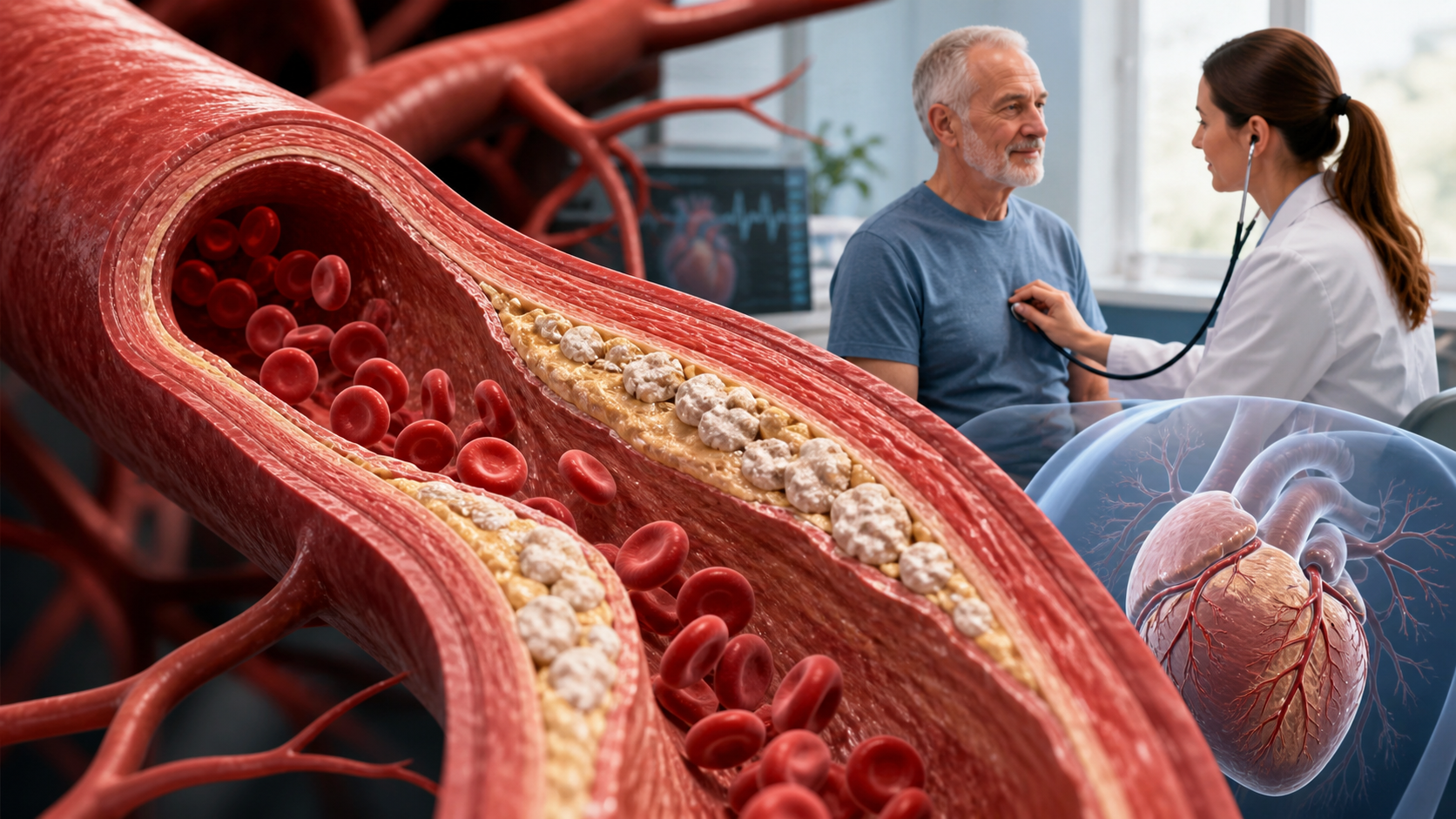
Arterial Calcification and Vascular Aging: Reading the Risk Signals
Arterial calcification can reveal accumulated vascular risk. Learn what calcium scores mean, why calcification develops, and where testing has limits.
10 min read
Arterial Stiffness and Vascular Age: A Longevity Evidence Guide
Understand arterial stiffness vascular age longevity links, key studies, measurement limits, and evidence-based lifestyle implications for healthy aging.
11 min read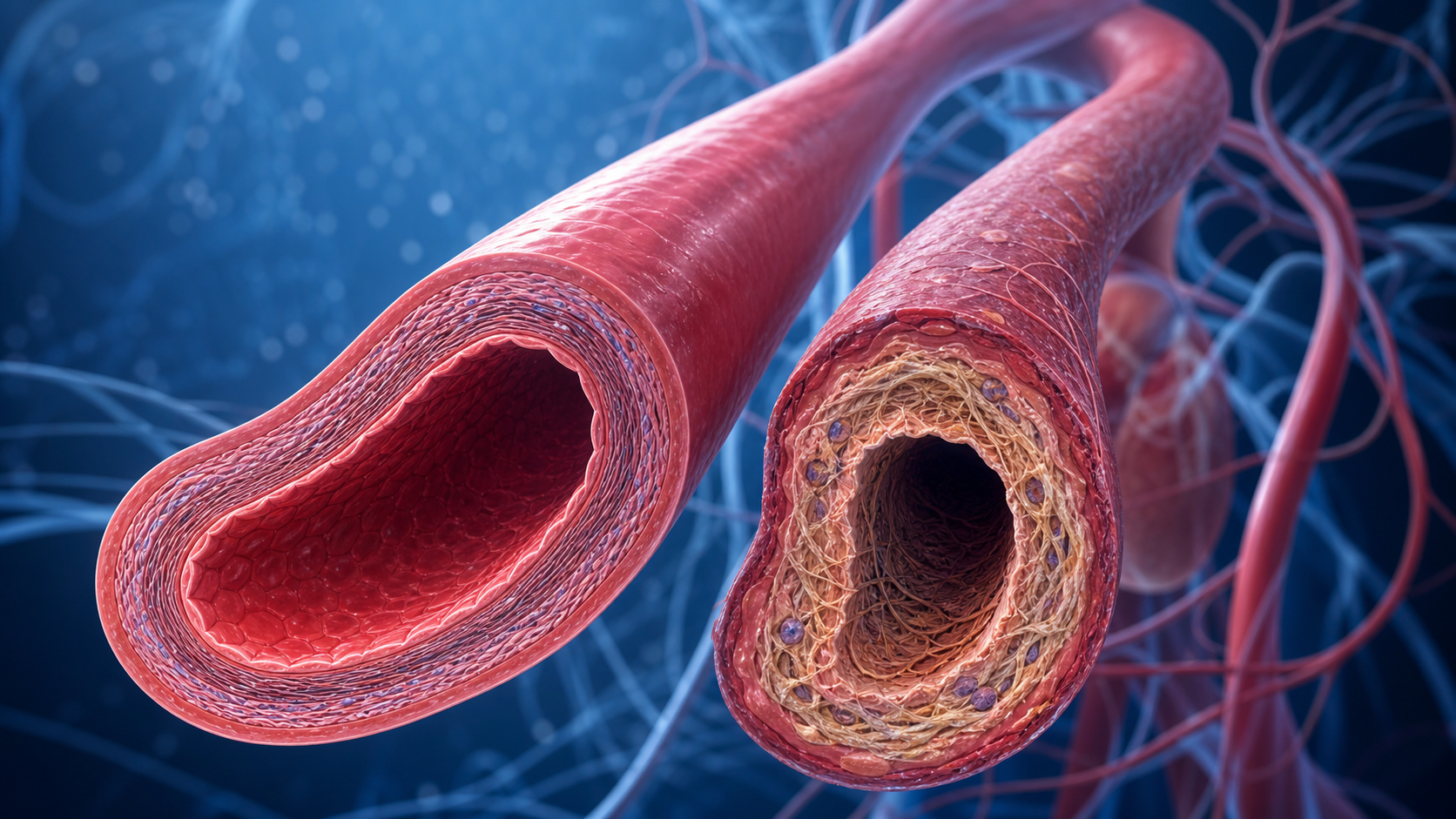
Arterial Stiffness and Vascular Aging: What the Evidence Shows
Explore arterial stiffness vascular aging, how vessels change over time, what pulse wave velocity studies show, and practical ways evidence may inform prevention.
10 min read