
Glycan Age: How the Sugar Coating on Your Cells Reveals Biological Aging
Glycans, the sugar molecules coating your cells, change predictably with age. Explore how glycan profiling reveals biological aging patterns.
Table of Contents
DISCLAIMER
This article is for informational purposes only and does not constitute medical advice. The statements in this article have not been evaluated by the FDA. The information presented is based on published research and should not be used as a substitute for professional medical guidance. Consult your physician before starting any supplement or health protocol.
The Sugar Code of Aging
Every cell in your body is coated with a dense layer of complex sugar molecules called glycans. This glycocalyx, or sugar coat, is not merely structural decoration but a sophisticated communication system that influences how cells interact with each other, the immune system, and pathogens.
What makes glycans particularly relevant to aging research is that their composition changes dramatically and predictably throughout life. These changes are not random but follow specific patterns that researchers have leveraged to create glycan-based biological age clocks, offering a unique window into the aging process distinct from genetic, epigenetic, or proteomic approaches.
Understanding Glycobiology
What Are Glycans?
Glycans are branched chain sugar molecules attached to proteins (glycoproteins) and lipids (glycolipids) on cell surfaces and secreted proteins. The process of attaching glycans to proteins, called glycosylation, is one of the most common post-translational modifications in biology.
Key aspects of glycan biology:
- More than half of all human proteins are glycosylated
- The glycome (complete set of glycans) is vastly more complex than the genome
- Glycan structures are determined by enzymatic rather than template-based processes
- Environmental factors (nutrition, hormones, inflammation) directly influence glycan composition
- Glycans serve as biological zip codes, directing protein function and cellular interactions
The Immune System Connection
The most studied glycan-aging connection involves immunoglobulin G (IgG), the most abundant antibody in blood. IgG glycosylation profoundly affects its function:
- Anti-inflammatory glycans: Galactosylated and sialylated IgG promote anti-inflammatory responses
- Pro-inflammatory glycans: Agalactosylated IgG (lacking galactose) promotes inflammatory responses through enhanced complement activation and FcgammaRIII binding
A 2014 review in Molecular and Cellular Proteomics detailed how this glycan switch effectively converts IgG from an anti-inflammatory to a pro-inflammatory molecule during aging.
How Glycans Change With Age
The IgG Glycosylation Shift
A 2015 study documented the characteristic IgG glycosylation changes during aging:
- Galactosylation decreases: The proportion of IgG carrying galactose residues declines progressively with age, accelerating after age 50
- Sialylation decreases: Sialic acid capping, which provides additional anti-inflammatory properties, also declines
- Bisecting GlcNAc increases: This pro-inflammatory modification increases with age
- Core fucosylation changes: Subtle shifts in fucosylation patterns occur
These changes are remarkably consistent across populations and cultures, suggesting they reflect fundamental aging biology rather than environmental factors.
Plasma N-Glycome Changes
A 2019 study in Aging characterized changes in the broader plasma N-glycome with age, identifying multiple glycan structures that change predictably:
- Complex-type glycans with anti-inflammatory properties decrease
- High-mannose glycans may increase in some contexts
- Branching patterns shift, potentially affecting protein function
- Total glycan diversity may change with aging
Glycan Age as a Biological Clock
The GlycanAge Test
Researchers have developed glycan-based biological age estimates (GlycanAge) using IgG glycosylation patterns:
- The test measures specific glycan structures on IgG from a blood sample
- Machine learning algorithms compute a biological age estimate
- The deviation between glycan age and chronological age reflects inflammatory status
- GlycanAge has been commercially available as a consumer test
Predictive Value
Glycan age has shown associations with:
- Cardiovascular disease risk
- Metabolic health markers
- Inflammatory status
- Response to lifestyle interventions
- Menopausal timing in women
Unique Advantages
Glycan-based aging assessment offers distinct advantages:
- Reflects the immune-inflammatory axis specifically
- Responsive to lifestyle interventions (potentially more dynamic than epigenetic clocks)
- Captures a dimension of aging biology not covered by other clocks
- May be particularly sensitive to metabolic and inflammatory changes
Glycans and Disease
Autoimmune Disease
Glycan changes are implicated in autoimmune conditions:
- Rheumatoid arthritis is associated with dramatically reduced IgG galactosylation
- These glycan changes may precede clinical disease onset
- Similar glycan patterns are seen in other autoimmune conditions
- The inflammatory glycan profile in aging may partially explain increased autoimmune susceptibility with age
Cancer
Altered glycosylation is a hallmark of cancer:
- Cancer cells show characteristic changes in surface glycans
- These changes may help tumors evade immune detection
- Some glycan modifications promote metastasis
- Age-related glycan changes may create a permissive environment for cancer development
Metabolic Disease
Glycan profiles correlate with metabolic health:
- Insulin resistance is associated with pro-inflammatory glycan patterns
- Obesity shows characteristic glycan signatures
- Type 2 diabetes is linked to altered IgG glycosylation
- Weight loss interventions may improve glycan profiles
Modifying Glycan Age
Exercise
Research suggests physical activity may improve glycan profiles:
- Regular exercise is associated with more anti-inflammatory glycan patterns
- Exercise interventions have shown improvements in glycan age scores
- The mechanisms may involve exercise-induced anti-inflammatory signaling and metabolic improvements
Diet
Dietary factors that may influence glycan composition:
- Mediterranean dietary patterns are associated with younger glycan ages
- High-sugar diets may promote pro-inflammatory glycan changes
- Adequate micronutrient intake supports glycosyltransferase function
- Dietary fiber and gut microbiome health may influence systemic glycosylation
Weight Management
Body weight and composition influence glycan profiles:
- Obesity is associated with accelerated glycan aging
- Weight loss interventions have demonstrated improvements in glycan age
- Visceral fat reduction may be particularly impactful on inflammatory glycan patterns
Hormonal Influences
Hormones significantly affect glycan composition:
- Estrogen promotes anti-inflammatory IgG glycosylation
- Menopause is associated with rapid shifts toward pro-inflammatory glycans
- This may partially explain the acceleration of inflammatory aging in women after menopause
- Pregnancy produces dramatic temporary improvements in glycan profiles (more anti-inflammatory)
The Future of Glycan Aging Research
Therapeutic Glycan Engineering
Researchers are exploring whether glycan composition can be therapeutically modified:
- Enzyme-based approaches to modify existing glycan structures
- Metabolic engineering to alter glycan biosynthesis pathways
- Targeted interventions to restore youthful glycan profiles
- Anti-inflammatory glycan therapies for age-related conditions
Integration With Multi-Omic Aging Assessment
Glycan data may be most valuable when integrated with other aging biomarkers:
- Combining glycan age with epigenetic age provides complementary information
- Proteomic and metabolomic data add additional aging dimensions
- Multi-omic integration may yield more accurate and actionable biological age estimates
The Bottom Line
Glycan biology represents a fascinating and underappreciated dimension of aging science. The systematic shift in glycan composition from anti-inflammatory to pro-inflammatory patterns during aging may be both a biomarker and a mediator of the inflammaging process.
Glycan-based biological age testing offers a unique perspective on aging that specifically reflects the immune-inflammatory axis. The responsiveness of glycan profiles to lifestyle interventions including exercise, diet, and weight management makes glycan age a potentially actionable biomarker for tracking the effects of longevity interventions.
As glycobiology matures and glycan-targeting therapies develop, this sugar code of aging may become an increasingly important target for anti-aging medicine.
Frequently Asked Questions
What are glycans and why do they matter for aging?
How does IgG glycosylation change with aging?
Can glycan age be modified through lifestyle changes?
Sources
Stay Updated on Longevity Science
Weekly research digests. No spam, unsubscribe anytime.
Related Articles
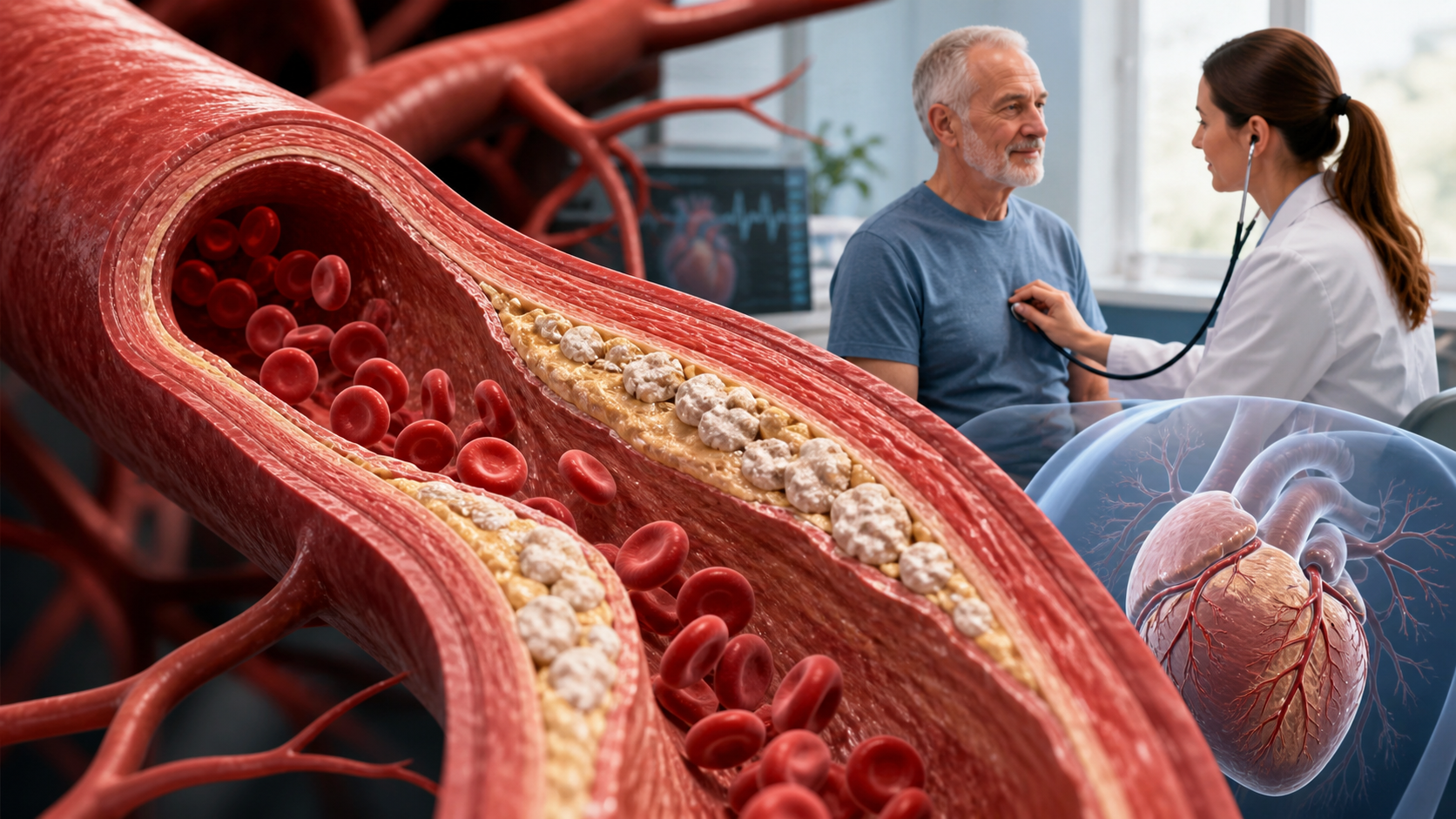
Arterial Calcification and Vascular Aging: Reading the Risk Signals
Arterial calcification can reveal accumulated vascular risk. Learn what calcium scores mean, why calcification develops, and where testing has limits.
10 min read
Arterial Stiffness and Vascular Age: A Longevity Evidence Guide
Understand arterial stiffness vascular age longevity links, key studies, measurement limits, and evidence-based lifestyle implications for healthy aging.
11 min read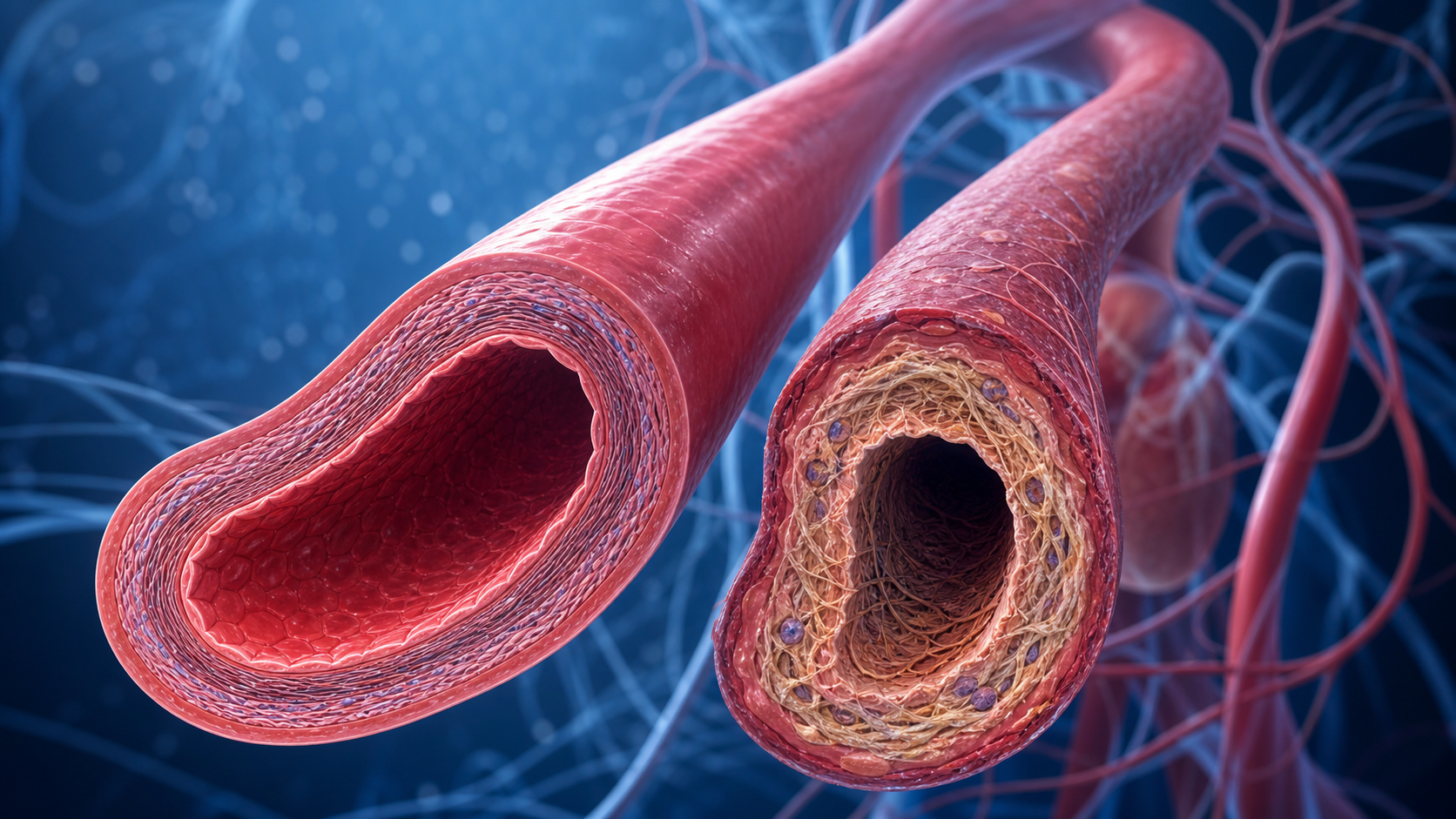
Arterial Stiffness and Vascular Aging: What the Evidence Shows
Explore arterial stiffness vascular aging, how vessels change over time, what pulse wave velocity studies show, and practical ways evidence may inform prevention.
10 min read