
Circadian Rhythms and Aging: How Your Body Clock Controls the Aging Process
Disrupted circadian rhythms may accelerate aging. Research reveals how the biological clock influences DNA repair, metabolism, and longevity.
Table of Contents
DISCLAIMER
This article is for informational purposes only and does not constitute medical advice. The statements in this article have not been evaluated by the FDA. The information presented is based on published research and should not be used as a substitute for professional medical guidance. Consult your physician before starting any supplement or health protocol.
The Clock Inside Every Cell
Nearly every cell in the human body contains a molecular clock, a set of genes and proteins that oscillate with a roughly 24-hour period. These circadian (from Latin circa diem, meaning about a day) clocks coordinate the timing of cellular processes including DNA repair, metabolism, immune function, and hormone secretion.
Research over the past two decades has revealed that circadian rhythms and aging are intimately connected. Circadian function deteriorates with age, and disrupted circadian rhythms may, in turn, accelerate the aging process. This bidirectional relationship positions the circadian system as both a marker and potential driver of biological aging.
The Molecular Clock
Core Clock Genes
The cellular circadian clock operates through a transcription-translation feedback loop:
- CLOCK and BMAL1 proteins form a complex that activates transcription of target genes, including Period (PER1-3) and Cryptochrome (CRY1-2)
- PER and CRY proteins accumulate, form complexes, and inhibit CLOCK-BMAL1 activity
- As PER and CRY are degraded, CLOCK-BMAL1 activity resumes, restarting the cycle
- This loop takes approximately 24 hours, creating the circadian oscillation
What the Clock Controls
The circadian clock regulates an estimated 10 to 40 percent of all gene expression, depending on tissue type. Rhythmically controlled processes include:
- DNA repair (peaks during rest periods)
- Cell division
- Metabolism (glucose utilization, lipid processing)
- Immune cell trafficking and function
- Hormone secretion (cortisol, melatonin, growth hormone)
- Autophagy
- Detoxification enzyme activity
How Circadian Rhythms Change With Age
Weakened Oscillations
A 2017 review detailed how aging affects the circadian system:
- Reduced amplitude: The difference between peak and trough levels of clock-controlled processes diminishes. This means hormones, body temperature, and metabolic processes fluctuate less between day and night.
- Phase advance: Older adults tend to shift earlier, waking and becoming sleepy earlier than younger individuals.
- Fragmentation: Sleep-wake and activity-rest cycles become more fragmented, with more daytime napping and nighttime waking.
- Reduced light sensitivity: The aging eye transmits less light to the suprachiasmatic nucleus (SCN), the brain’s master clock, weakening photic entrainment.
Melatonin Decline
Melatonin production, controlled by the circadian clock, decreases significantly with age:
- Peak nighttime melatonin levels may decrease by 50 to 80 percent between ages 20 and 70
- This decline may contribute to sleep disruption, reduced antioxidant protection, and altered immune function
- The timing of melatonin release may also shift with age
Evidence That Circadian Disruption Accelerates Aging
Animal Studies
A 2012 study demonstrated that disrupting circadian rhythms in mice through chronic jet lag protocols (repeated shifts in light-dark cycles) significantly accelerated aging:
- Increased mortality rate
- Accelerated decline in physical function
- Enhanced inflammatory markers
- Impaired metabolic function
- Increased oxidative stress
A 2019 review in Nature Reviews Molecular Cell Biology compiled evidence from genetic studies showing that mice with mutations in core clock genes show accelerated aging phenotypes, including premature cancer, metabolic dysfunction, and shortened lifespan.
Human Observational Evidence
Research on shift workers provides human evidence for the aging effects of circadian disruption:
- Increased cardiovascular disease risk (meta-analyses show 17-40 percent elevated risk)
- Higher rates of metabolic syndrome and type 2 diabetes
- Increased cancer risk (particularly breast and prostate)
- Accelerated cognitive decline
- Reduced immune function
While these associations may be influenced by other lifestyle factors associated with shift work, the consistency and biological plausibility support a meaningful role for circadian disruption.
Circadian Control of Aging Pathways
DNA Repair Timing
DNA repair processes are under strong circadian control, with peak repair activity typically occurring during rest periods (nighttime in humans). Circadian disruption may impair DNA repair efficiency by:
- Desynchronizing repair enzyme expression from peak damage periods
- Reducing overall repair capacity through dampened oscillation
- Increasing DNA damage burden through impaired timing of protective mechanisms
Autophagy Rhythms
Autophagy, the cellular cleanup process essential for aging, oscillates with circadian rhythms:
- Peak autophagy typically occurs during fasting/rest periods
- Circadian disruption may flatten autophagy rhythms, reducing peak clearance capacity
- Time-restricted eating may enhance autophagy by reinforcing circadian metabolic rhythms
Immune Function
The immune system is profoundly rhythmic:
- Immune cell numbers in blood vary by up to 5-fold across the 24-hour cycle
- Inflammatory responses show circadian variation
- Vaccine responses vary by time of administration
- Circadian disruption may impair immune surveillance and promote inflammaging
Metabolism
Metabolic function follows strong circadian patterns:
- Insulin sensitivity peaks in the morning and declines through the day
- Glucose tolerance is higher earlier in the day
- Lipid metabolism oscillates with feeding-fasting cycles
- Circadian misalignment may promote metabolic dysfunction and accelerate metabolic aging
Strategies to Support Circadian Health
Light Exposure
Light is the most powerful circadian zeitgeber (time-giver):
- Morning bright light exposure (ideally within 1-2 hours of waking) strengthens circadian amplitude
- Minimize artificial light exposure in the evening, particularly blue-enriched light from screens
- Consider blue light blocking glasses in the evening
- Maintain consistent light-dark patterns
Time-Restricted Eating
Aligning food intake with circadian metabolic rhythms may reinforce clock function:
- Eating during daylight hours and fasting during darkness aligns with circadian metabolic programming
- Avoiding late-night eating may reduce metabolic stress and improve circadian alignment
- Consistent meal timing may strengthen peripheral tissue clocks
Sleep Consistency
Regular sleep-wake schedules support circadian health:
- Maintain consistent bed and wake times, even on weekends
- Aim for age-appropriate sleep duration
- Prioritize sleep quality through environmental optimization
- Address sleep disorders that disrupt circadian patterns
Regular Activity
Physical activity reinforces circadian rhythms:
- Morning or daytime exercise may strengthen circadian amplitude
- Consistent exercise timing may help entrain peripheral clocks
- Avoid vigorous exercise close to bedtime
The Bottom Line
Circadian rhythms represent a fundamental organizing principle of biology that profoundly influences the aging process. The deterioration of circadian function with age may not be merely a consequence of aging but an active contributor to it.
Supporting circadian health through consistent light exposure, regular sleep-wake schedules, time-aligned eating, and regular physical activity may represent an underappreciated but powerful strategy for healthy aging. These chronobiological interventions are free, accessible, and compatible with any other longevity strategy, making them an essential component of comprehensive aging management.
Frequently Asked Questions
How do circadian rhythms change with aging?
Can fixing circadian rhythms slow aging?
Does shift work accelerate aging?
Sources
Stay Updated on Longevity Science
Weekly research digests. No spam, unsubscribe anytime.
Related Articles
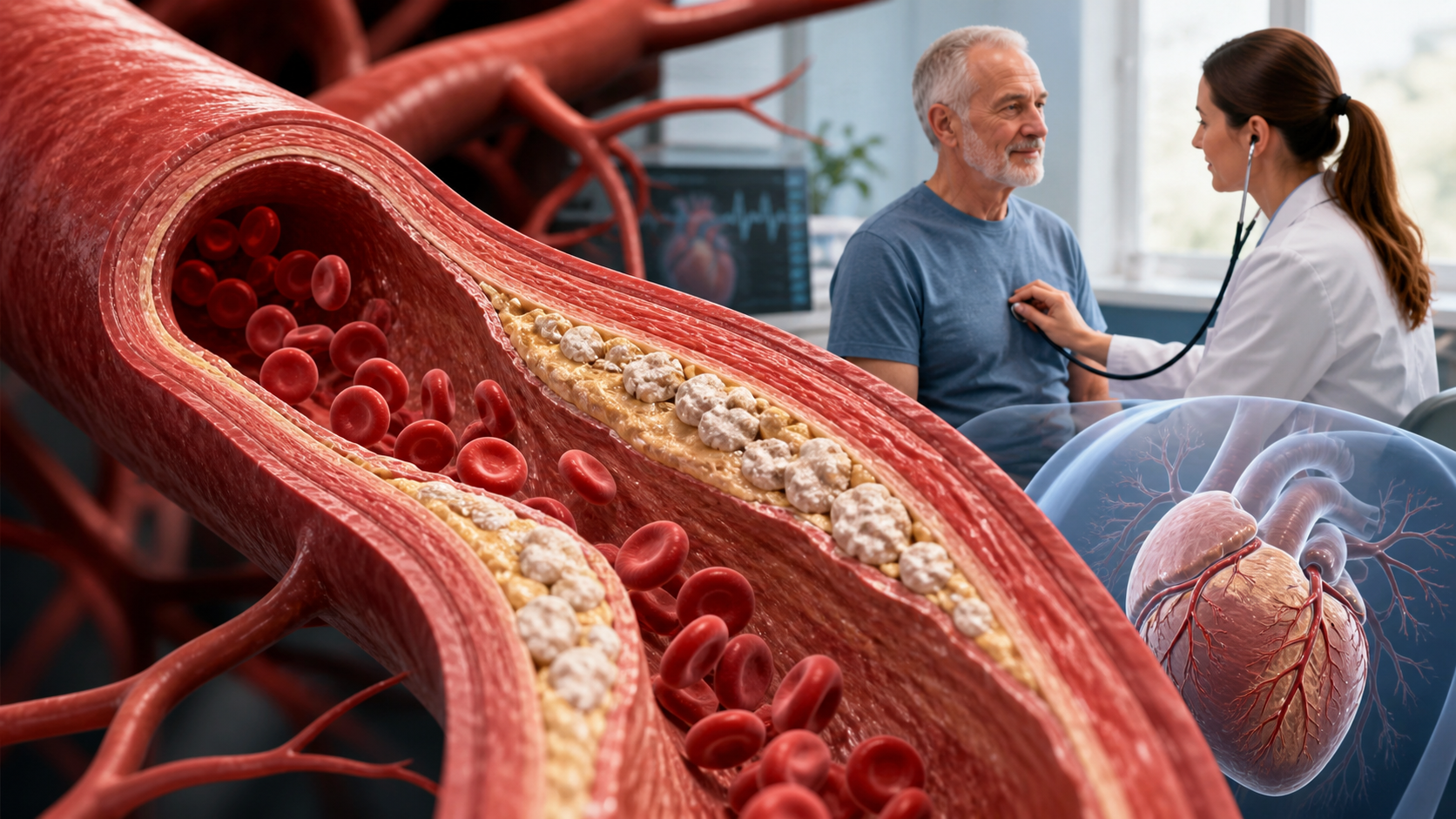
Arterial Calcification and Vascular Aging: Reading the Risk Signals
Arterial calcification can reveal accumulated vascular risk. Learn what calcium scores mean, why calcification develops, and where testing has limits.
10 min read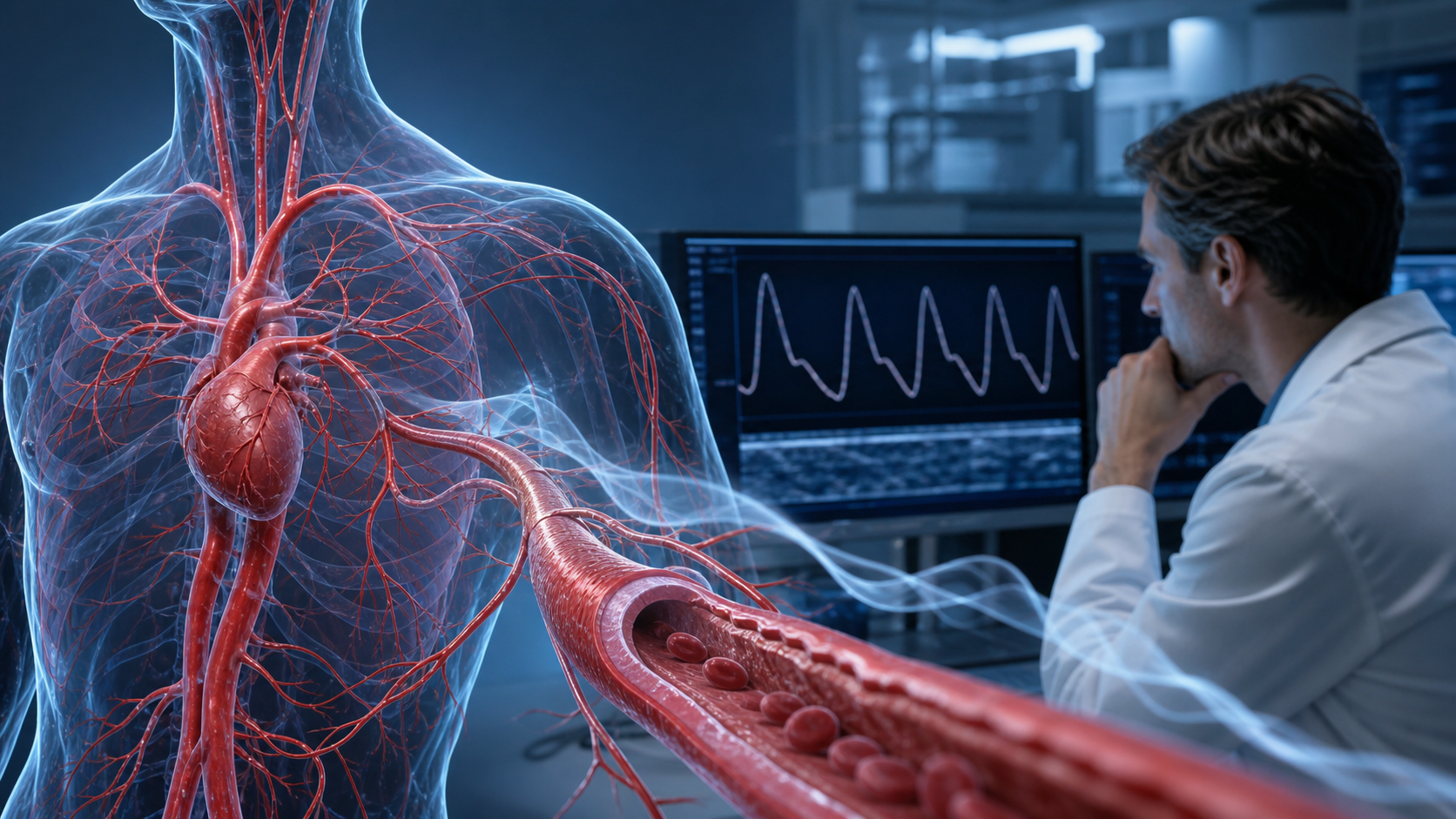
Arterial Stiffness and Vascular Age: A Longevity Evidence Guide
Understand arterial stiffness vascular age longevity links, key studies, measurement limits, and evidence-based lifestyle implications for healthy aging.
11 min read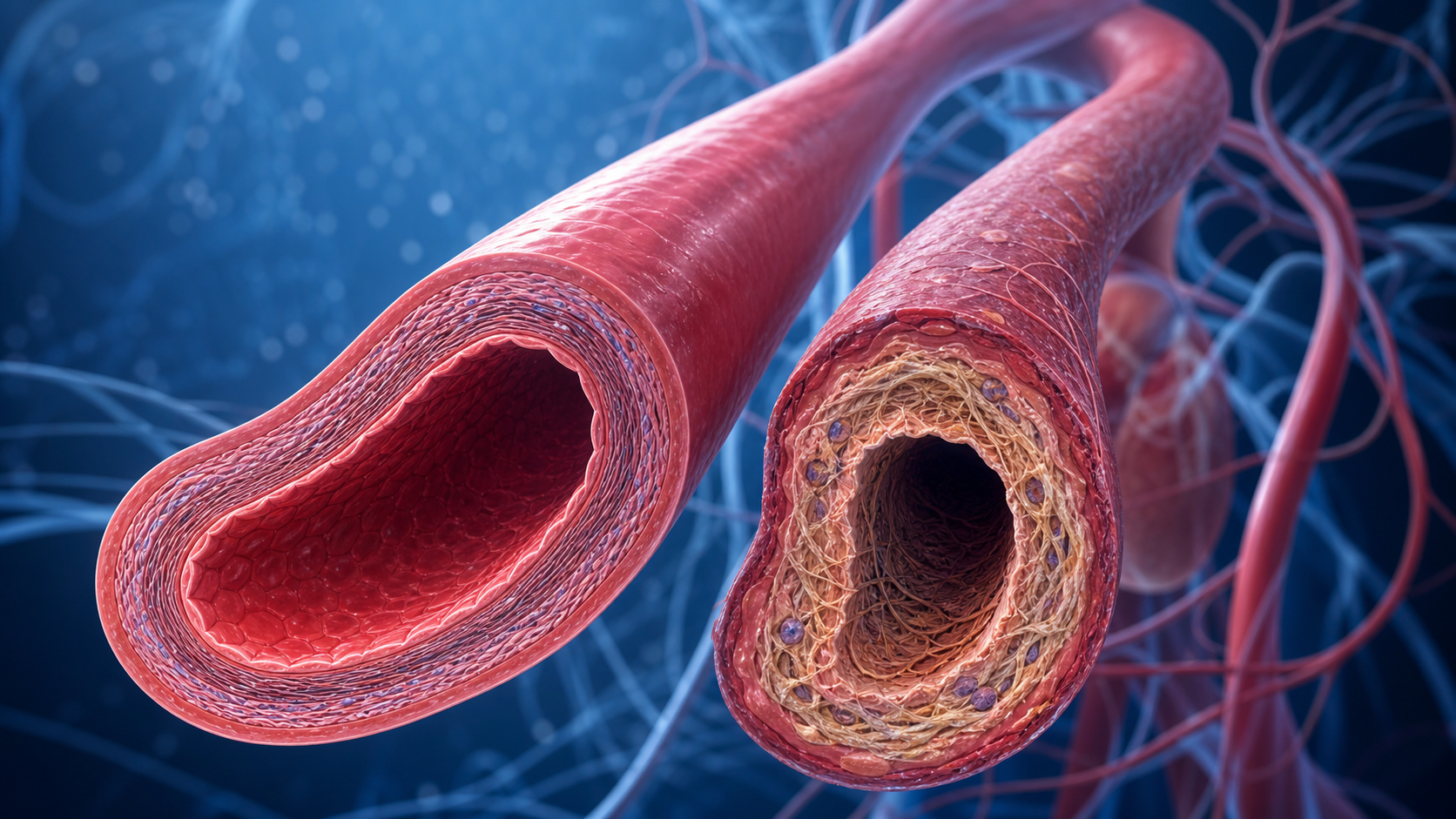
Arterial Stiffness and Vascular Aging: What the Evidence Shows
Explore arterial stiffness vascular aging, how vessels change over time, what pulse wave velocity studies show, and practical ways evidence may inform prevention.
10 min read